What Is the Best Golf Cart Brand for the Money?
The best golf cart brand for the money depends on your priorities, with Yamaha and Club Car leading long-term value while Tara offers strong features at a competitive price.

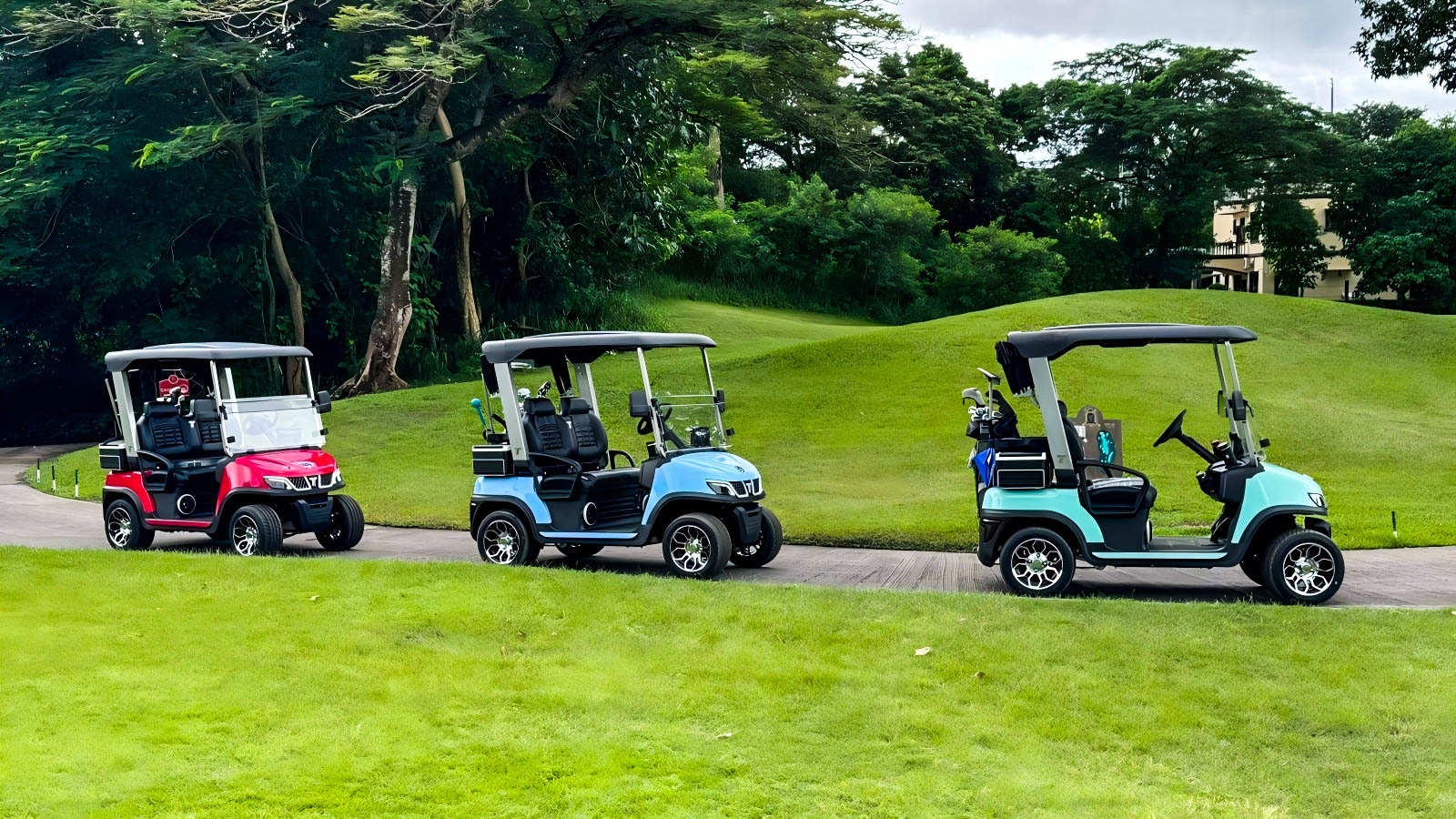
The best golf cart brand for the money depends on your priorities, with Yamaha and Club Car leading long-term value while Tara offers strong features at a competitive price.
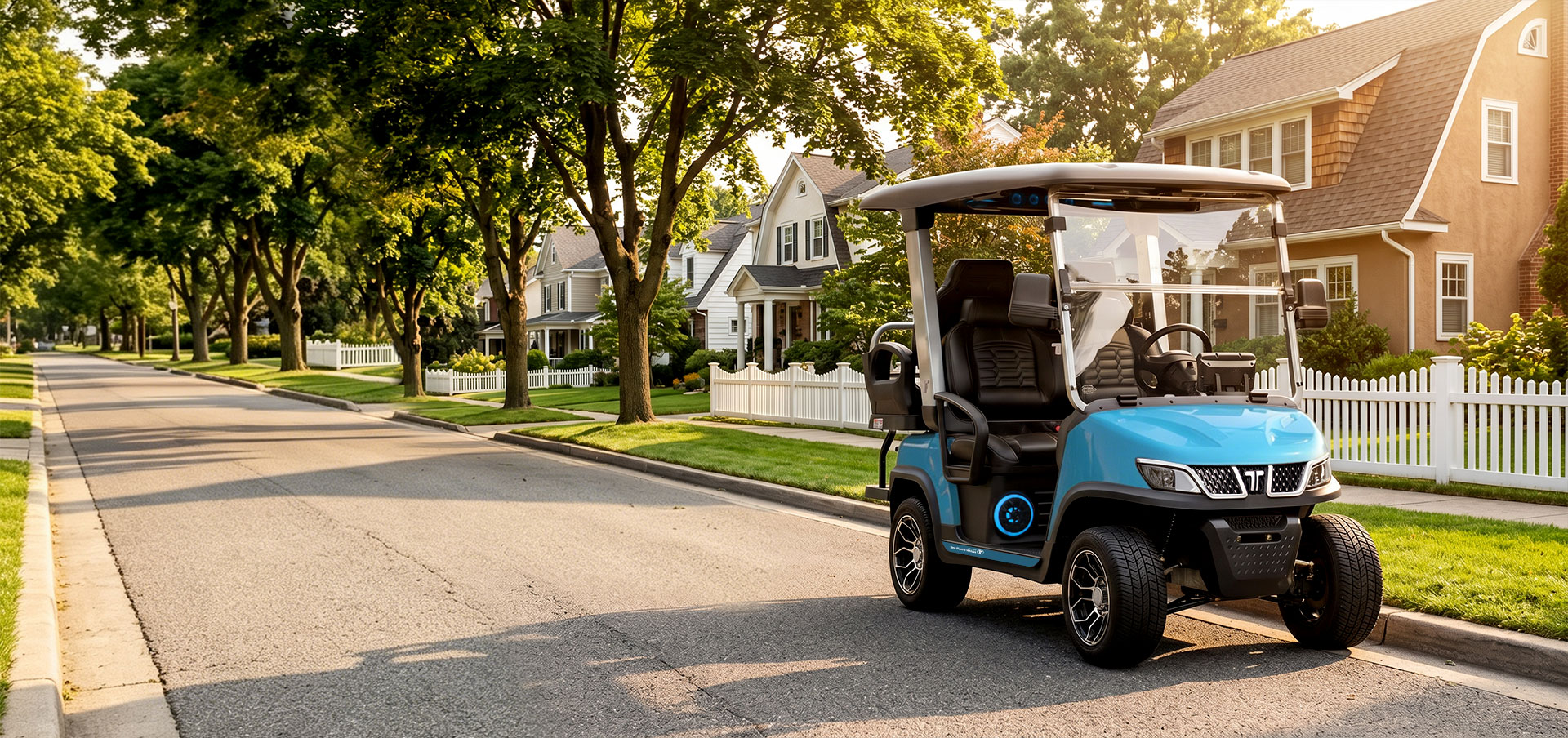
Tara golf carts are considered a high-quality option for users seeking luxury design, lithium battery performance, modern technology, and comfortable electric transportation.
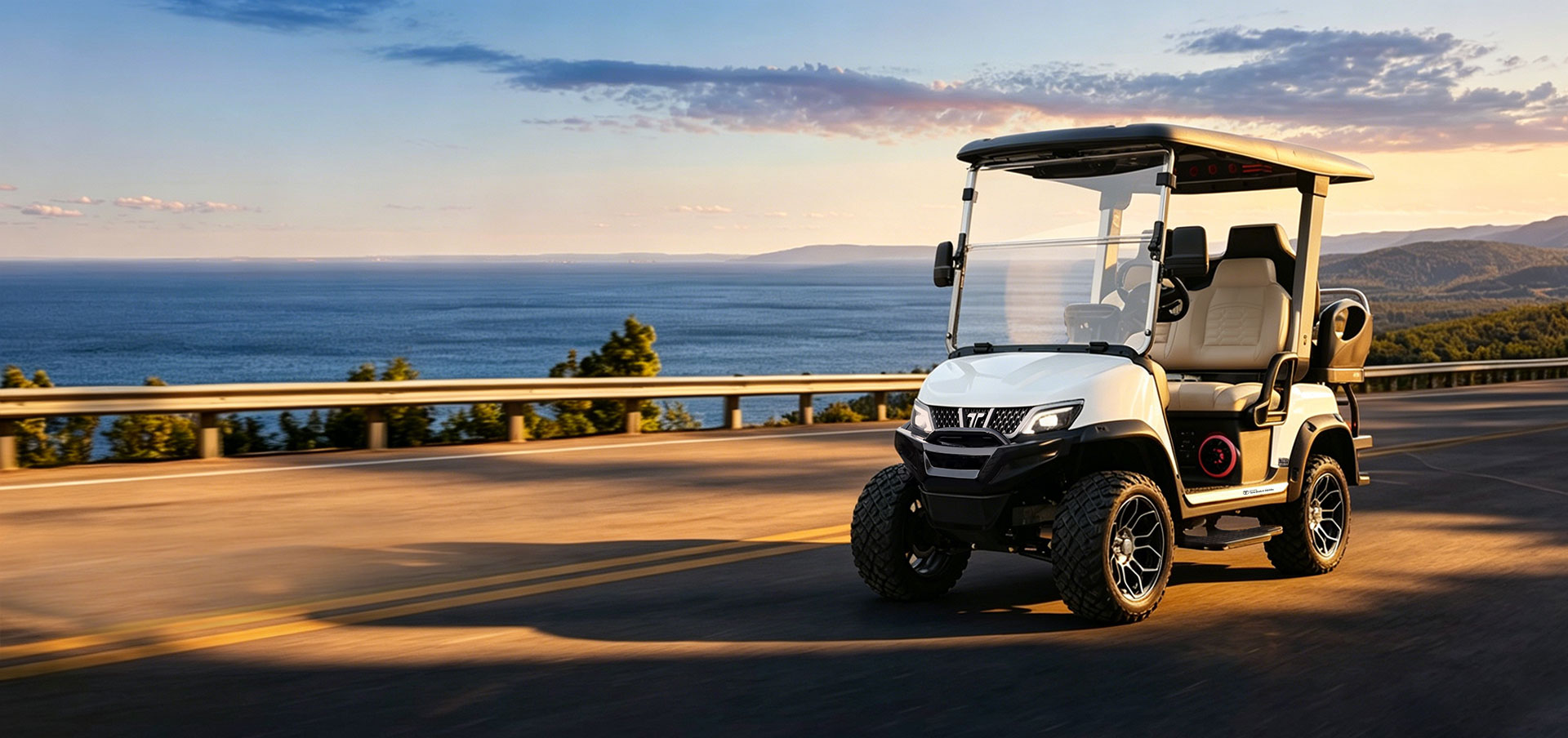
Tara golf carts are manufactured by Tara Electric Vehicles, a company specializing in premium lithium-powered electric golf carts for golf courses, resorts, communities, and personal users.
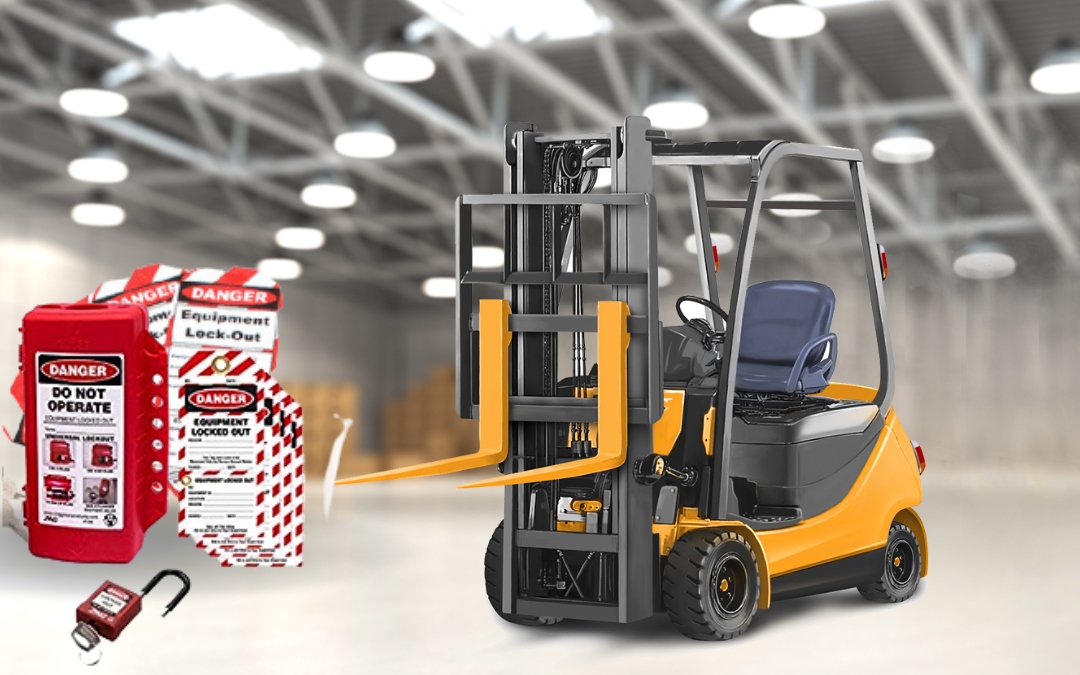
Forklift safety precautions include wearing seatbelts, keeping loads low, following capacity limits, inspecting equipment, and protecting pedestrians.
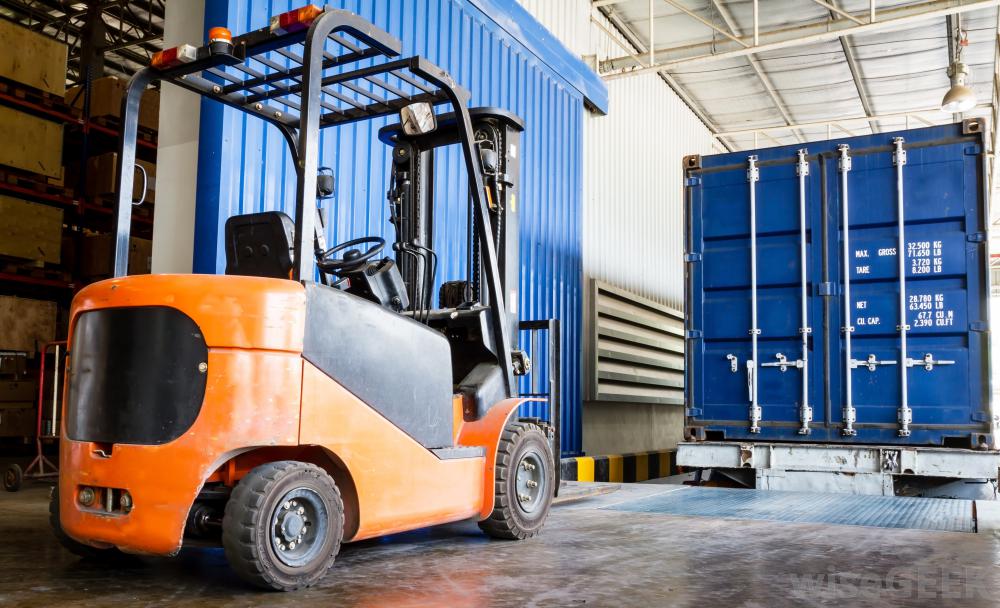
A forklift is designed to lift, move, transport, and stack heavy materials safely and efficiently across warehouses, factories, construction sites, and industrial facilities.
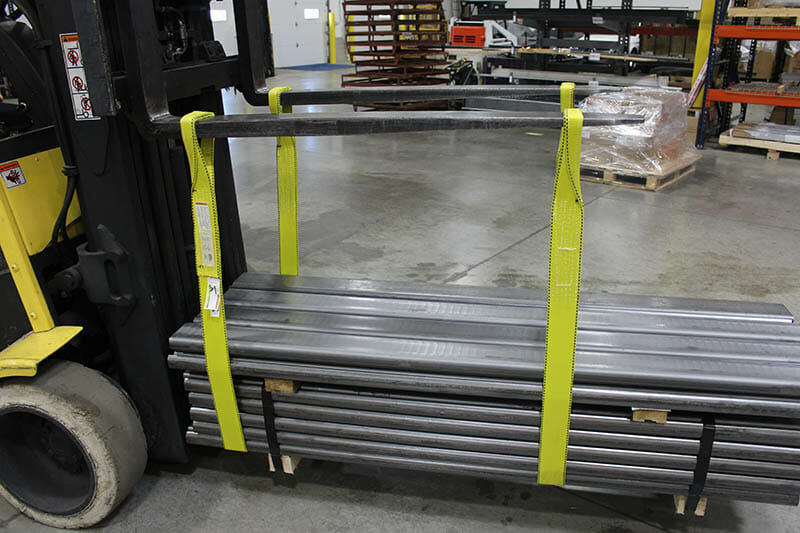
Using slings on a forklift enhances load stability and flexibility for unconventional or fragile items, but safe operation demands strict adherence to rigging guidelines and equipment ratings. Most counterbalance forklifts require specialized attachments like a jib or sling bar; improper use risks load slippage, overloading, or damage. Key safety practices include inspecting slings for cuts or abrasions, using edge protectors on sharp corners, and calculating capacity reductions as sling angles increase—a 60° angle halves effective capacity. OSHA requires manufacturer or engineer approval for any forklift modifications, and data plates must reflect changes. Slings are ideal for non-palletized loads such as drums, pipes, or machinery. Best practices include using tagged slings with rated capacities, balancing loads with vertical sling positioning, and training operators on rigging limits. Modern electric forklifts like the Liftron DL SERIES provide precise control and stability, supporting safer sling operations. For expert guidance on attachments and compliance, consult Liftron Material Handling to maximize productivity while meeting safety standards.
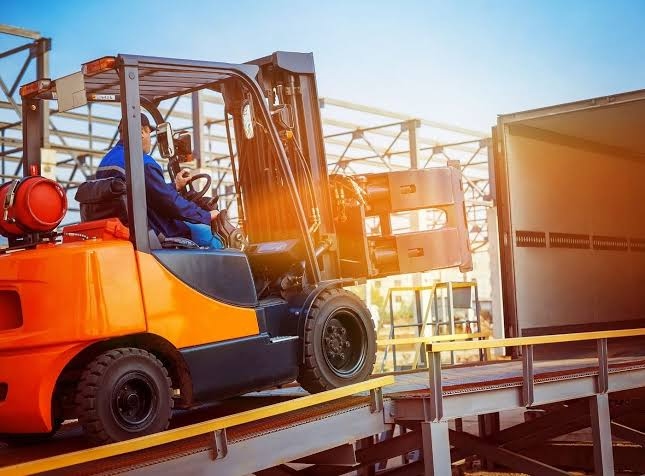
Forklift operator certification portability depends on certification type, employer policies, and local regulations. In the U.S., OSHA standards are federal, so OSHA-compliant certifications are valid across all 50 states, though some employers require site-specific refresher training or skill evaluations. Internationally, recognition varies: Canada often accepts U.S. certifications with proof of training, while the UK, Australia, and many European countries require local licensing or additional assessments. To maximize portability, maintain records of training and evaluation, stay current with OSHA recertification every three years, and pursue recognized programs from reputable providers. Advanced training on modern equipment like lithium-ion forklifts can also enhance employability. Understanding these nuances helps operators transition smoothly between jobs and locations.
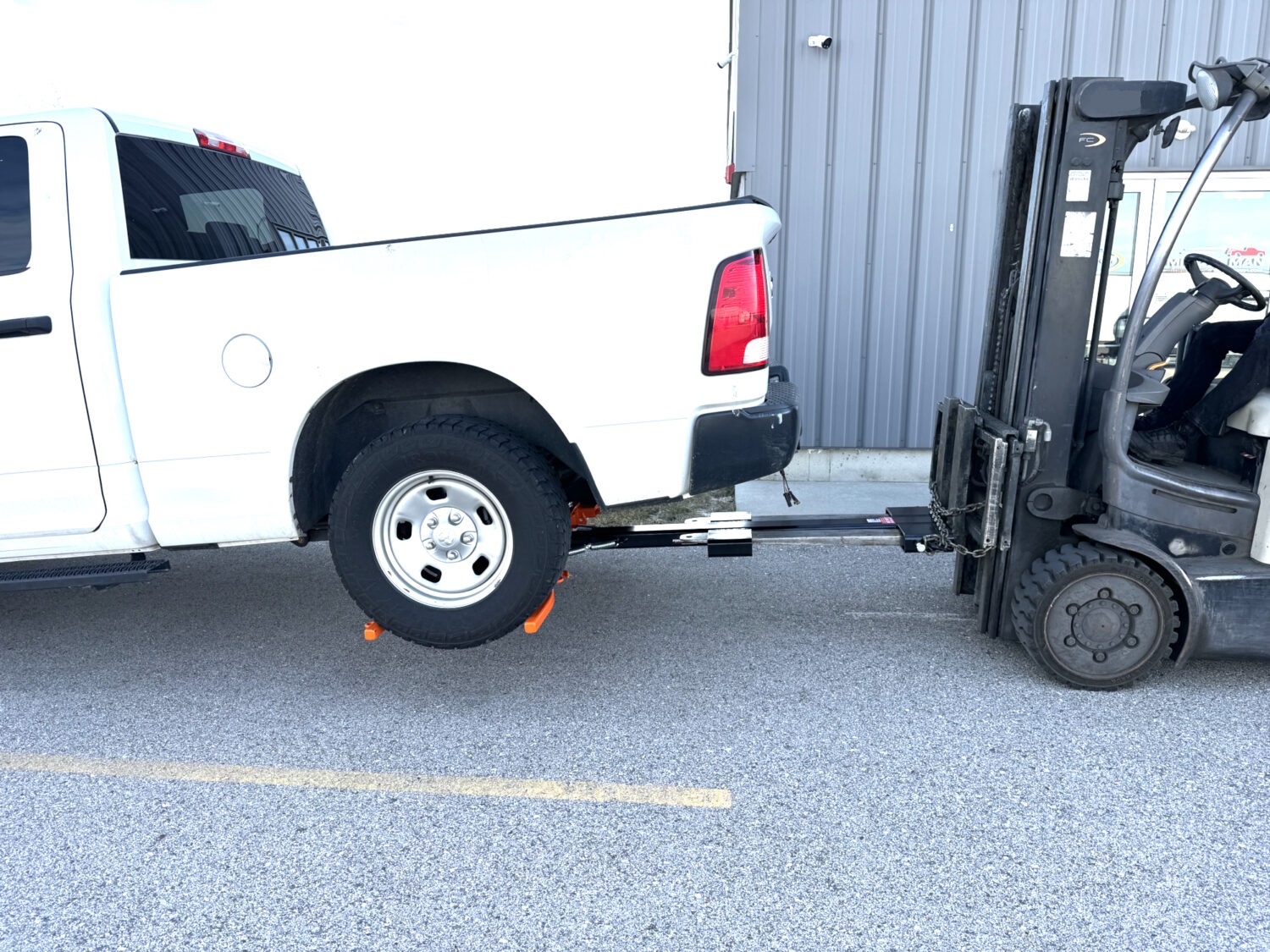
Yes, forklifts can be used for towing, but only within strict safety and operational limits. While designed for lifting and stacking, many models can tow trailers or carts when equipped with manufacturer-approved hitches and operated within reduced towing capacities—often far lower than lifting ratings. Safety is paramount: never attach tow lines to forks, masts, or carriages; always use a frame-mounted hitch. Adhere to load limits, operate only on smooth, level surfaces at walking speed, and inspect brakes and couplings before use. Electric counterbalanced models like the Liftron DL SERIES offer stable, precise control for light towing. However, frequent heavy towing demands purpose-built tow tractors. Overloading, improper attachments, or poor terrain can cause loss of steering, reduced braking, or tip-overs. Always consult the operator’s manual for rated towing capacity and prioritize safety over convenience. For occasional needs, a properly configured forklift works, but regular towing warrants dedicated equipment.
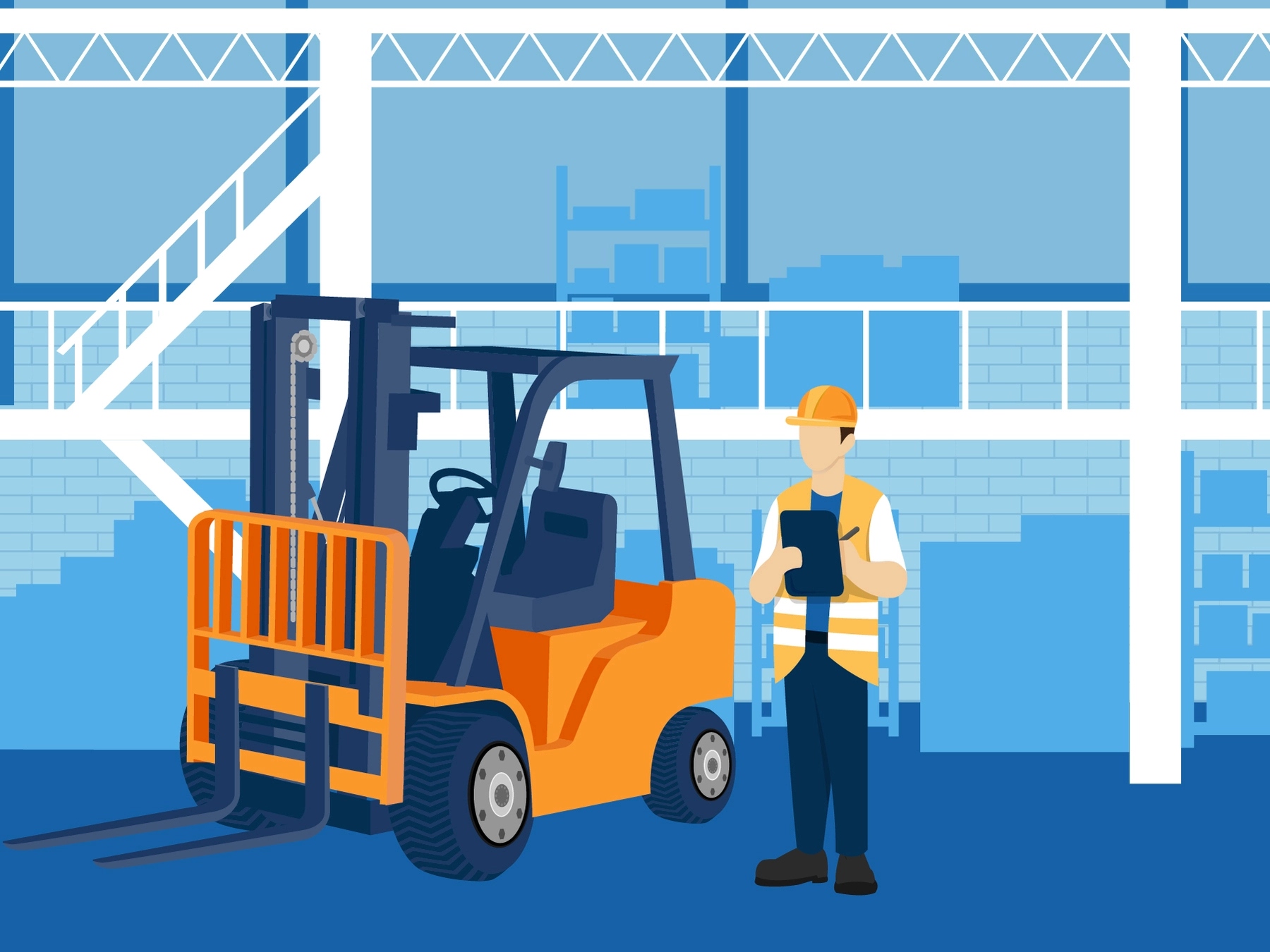
Safe forklift operation begins with thorough pre-operation safety checks and daily inspections, covering fluid levels, tire condition, forks, mast, lights, horn, and seat belts. Operators must verify load capacity, ensure the work area is clear, and confirm racking stability. Physical fitness, proper PPE, and valid training are essential. For electric models like the Liftron DL SERIES, battery connections, coolant systems, and smart management features require special attention. Operational checks include testing brakes, steering, and lift controls. OSHA mandates documented pre-use inspections and formal training renewals every three years. Emergency preparedness, including knowledge of fire extinguishers and shutdown procedures, is critical. These steps prevent accidents, extend equipment life, and ensure regulatory compliance—always follow manufacturer guidelines for specific maintenance intervals and safety updates.
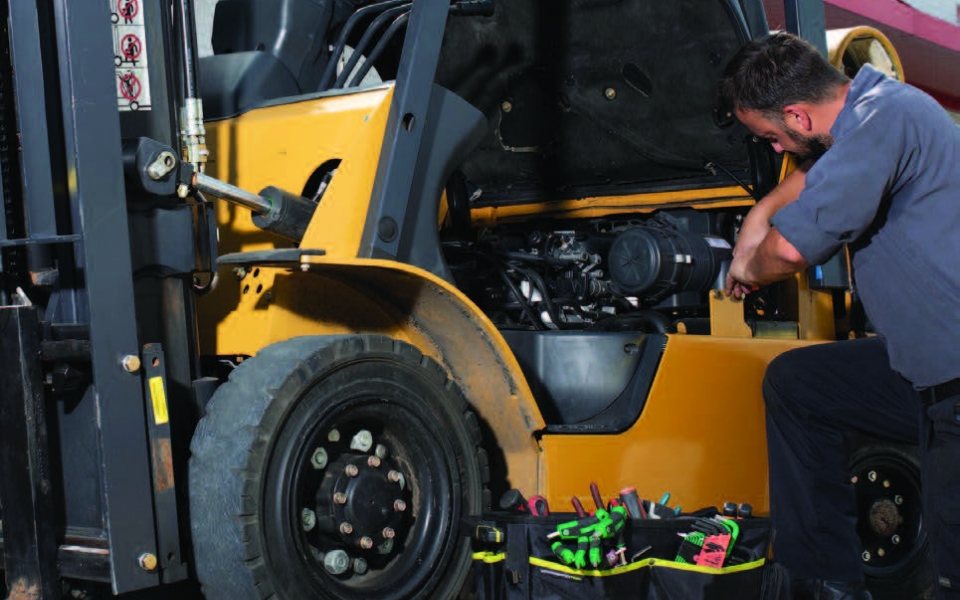
A well-chosen forklift maintenance system is essential for reducing downtime, extending equipment life, and boosting warehouse productivity. The ideal solution integrates preventive scheduling, real-time diagnostics, and seamless data tracking. Modern systems go beyond basic upkeep by offering automated work orders, mobile accessibility for technicians, and battery-specific management for technologies like lithium-ion. Combining preventive and predictive maintenance—using sensor data to flag failures early—maximizes uptime. Cloud-based platforms enable fleet managers to monitor multiple locations from one dashboard and integrate with existing ERP systems. Features such as parts inventory tracking and driver behavior reports further enhance efficiency. While advanced software has upfront costs, ROI is compelling: up to 40% fewer emergency repairs and 25% longer equipment life, with mid-sized fleets recouping investment in 12–18 months. The best system aligns with fleet size, truck technology, and operational needs, prioritizing scalability and mobile support. With the right choice, forklift downtime becomes a managed exception rather than a daily crisis.