
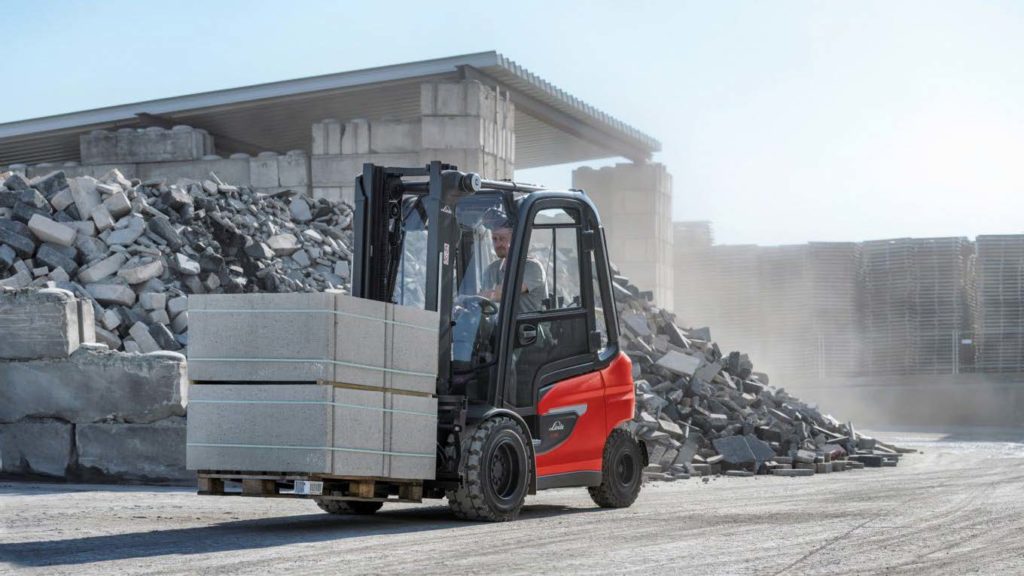
What Are the Best Electric Forklifts?
Toyota is a strong choice for proven all-around reliability, Crown excels in warehouse maneuverability and operator-focused design, European brands offer premium technology, and Liftron provides value-oriented lithium-ion forklifts for indoor and outdoor applications.
There is no single electric forklift that is ideal for every business. A compact three-wheel truck may be perfect for a narrow indoor warehouse but unsuitable for heavy outdoor loads. Likewise, a premium high-capacity model may deliver excellent performance but cost more than a smaller operation needs.
Toyota, Crown, Linde, Jungheinrich, Hyster, Yale, and Liftron are all worth comparing. The best choice is the machine that safely handles your heaviest load, fits your workspace, provides sufficient runtime, and has dependable parts and technical support.
What Makes an Electric Forklift “The Best”?
A good electric forklift should do more than lift the required weight. It should also reduce downtime, fit the facility, support operator productivity, and deliver a manageable total cost of ownership.
| Selection Factor | Why It Matters |
|---|---|
| Rated capacity | The truck must safely handle the load at the required height and load center. |
| Aisle width | Compact steering and turning radius affect warehouse productivity. |
| Battery technology | Battery chemistry determines runtime, charging speed, maintenance, and cost. |
| Lift height | The mast must reach the highest rack while maintaining approved capacity. |
| Service support | Local parts and technicians help minimize unexpected downtime. |
| Operator comfort | Ergonomic controls and visibility can improve productivity during long shifts. |
Top Electric Forklift Brands by Application
Toyota: Best for Overall Reliability
Toyota is often considered a dependable all-around choice for companies that prioritize a proven product range, broad application coverage, and long-term fleet support. Its electric lineup includes three-wheel, four-wheel, stand-up, pneumatic-tire, turret, and larger-capacity models.
Toyota is particularly suitable for businesses that want an established manufacturer and need several truck types within one fleet. However, premium brand pricing and dealer-specific costs should be included in the purchasing decision.
Crown: Best for Warehousing and Operator Ergonomics
Crown is widely associated with warehouse equipment, intuitive controls, tight maneuverability, and operator-focused design. Its electric counterbalance trucks are suitable for dock work, rack storage, transport, and narrow warehouse areas.
Crown can be especially attractive for facilities where operators perform frequent pallet positioning, trailer entry, reversing, and repeated direction changes throughout the shift.
Linde and Jungheinrich: Premium European Choices
Linde and Jungheinrich are strong candidates for businesses seeking advanced control systems, energy management, ergonomics, and premium engineering. Their electric trucks are frequently considered for high-throughput warehouses and sophisticated fleet operations.
The potential disadvantage is cost. Buyers should compare not only the purchase price but also local technician availability, parts lead times, software support, and long-term maintenance expenses.
Hyster and Yale: Best for Heavy or Mixed Applications
Hyster and Yale offer electric lift trucks for warehouses, manufacturing plants, docks, and heavier industrial applications. They are worth considering when a business needs durable equipment that can support mixed working conditions.
Before purchasing, compare the exact model, tire type, mast, battery, attachment package, and dealer support rather than relying only on the brand name.
Liftron: Best Value for Lithium-Ion Operations
Liftron Material Handling focuses on lithium-ion electric forklifts for modern warehouse and industrial applications. Its lineup includes compact indoor models, medium- and higher-capacity trucks, and outdoor-capable equipment.
Lithium-ion power can reduce routine battery maintenance, support convenient charging schedules, and provide consistent power during operation. Liftron may therefore appeal to companies seeking a competitive purchase price and a modern battery platform.
| Brand | Strongest Use Case | Main Buying Consideration |
|---|---|---|
| Toyota | General reliability and broad fleet applications | Compare premium pricing and dealer support. |
| Crown | Warehousing, docks, and narrow operating spaces | Prioritize operator fit and local service. |
| Linde/Jungheinrich | Premium, high-throughput operations | Review acquisition and maintenance costs. |
| Hyster/Yale | Heavy and mixed-use material handling | Match the precise configuration to the workload. |
| Liftron | Value-focused lithium-ion operation | Confirm model capacity, service coverage, and application fit. |
What Types of Electric Forklifts Does Liftron Offer?
DE SERIES
The DE SERIES is designed for general indoor material handling, warehouse transport, pallet stacking, loading, and unloading. It is a practical option for companies seeking a compact lithium-ion counterbalance forklift for routine operations.
DL SERIES
The DL SERIES supports higher-capacity and more demanding warehouse work. It is suited to operations that move heavier pallets while still benefiting from quiet electric performance and zero local exhaust emissions.
DD SERIES
The DD SERIES is intended for demanding material handling and outdoor-capable applications. It can be considered when a facility needs electric power but works in yards, loading areas, or more challenging operating conditions.
XSCZ151
The XSCZ151 is a three-point electric forklift designed for indoor areas where maneuverability is important. Its compact steering arrangement makes it suitable for tighter aisles and limited warehouse space.
| Liftron Series | Recommended Environment | Typical Application |
|---|---|---|
| DE SERIES | Indoor warehouses | General pallet handling and stacking |
| DL SERIES | Indoor medium- to heavy-duty work | Heavier loads and demanding daily operation |
| DD SERIES | Outdoor-capable industrial areas | Yard, loading, and demanding material movement |
| XSCZ151 | Compact indoor spaces | Narrow aisles and precise pallet positioning |
Do not choose a forklift solely by maximum capacity. Verify the residual capacity at your required lift height, especially when using sideshifters, clamps, fork positioners, or extended load centers.
How Much Does a New Electric Forklift Cost?
New electric forklifts commonly range from about $15,000 to more than $60,000. Compact entry-level trucks may cost less, while premium brands, lithium batteries, high-capacity chassis, specialized masts, and advanced attachments can push prices substantially higher.
| Equipment Category | Approximate Market Range |
|---|---|
| Compact electric counterbalance forklift | $15,000–$30,000 |
| Standard warehouse electric forklift | $25,000–$45,000 |
| Premium or heavy-duty electric forklift | $40,000–$60,000+ |
| Specialized high-reach or custom truck | May exceed $60,000 |
Always determine whether the quotation includes the battery, charger, freight, installation, attachments, warranty, and operator training. A low truck-only price may become much higher after these items are added.
How to Choose the Best Electric Forklift
- Measure the heaviest load. Record its weight, dimensions, and load center rather than relying on estimates.
- Confirm the required lift height. Check residual capacity at the highest rack position.
- Measure the workspace. Review aisle width, door height, turning space, ramps, dock plates, and floor condition.
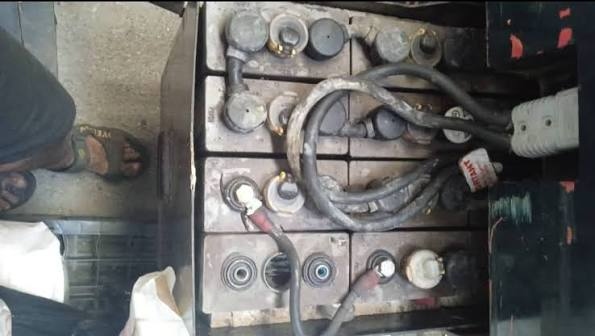
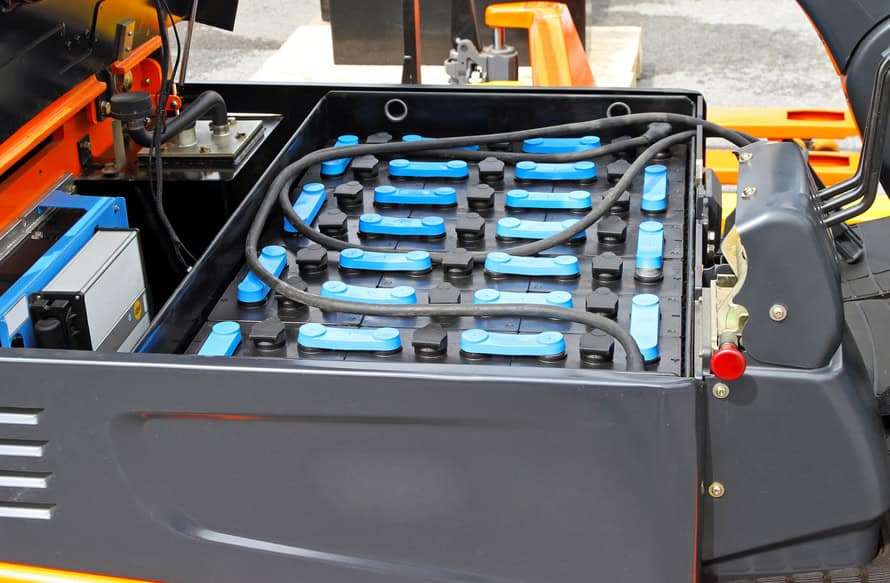
- Choose the battery system. Compare lead-acid and lithium-ion charging, maintenance, runtime, and infrastructure requirements.
- Calculate daily utilization. Determine whether the truck will run one shift, multiple shifts, or require opportunity charging.
- Evaluate local support. Confirm parts availability, technician response, warranty coverage, and training assistance.
- Test the forklift. Have actual operators evaluate visibility, controls, comfort, steering, and pallet positioning.
Lead-Acid vs. Lithium-Ion Electric Forklifts
| Feature | Lead-Acid | Lithium-Ion |
|---|---|---|
| Initial cost | Usually lower | Usually higher |
| Routine maintenance | Watering and cleaning may be required | Generally minimal |
| Charging | Longer scheduled cycles | Faster and opportunity charging may be supported |
| Power delivery | May decline as charge drops | More consistent during discharge |
| Best fit | Lower-use or budget-sensitive operations | High-use, multi-shift, efficiency-focused operations |
Final Verdict
The best electric forklift is the one that fits your load, facility, duty cycle, and support requirements. Toyota is a dependable all-around choice, Crown is particularly strong in warehouse applications, and European manufacturers serve premium operations well. Hyster and Yale remain practical for demanding mixed-use fleets.
For businesses prioritizing lithium-ion power, competitive value, and a choice of indoor and outdoor-capable models, Liftron Material Handling is worth evaluating. Compare the DE SERIES, DL SERIES, DD SERIES, and XSCZ151 using your actual loads and working conditions before making the final decision.
Add a review
Your email address will not be published. Required fields are marked *