
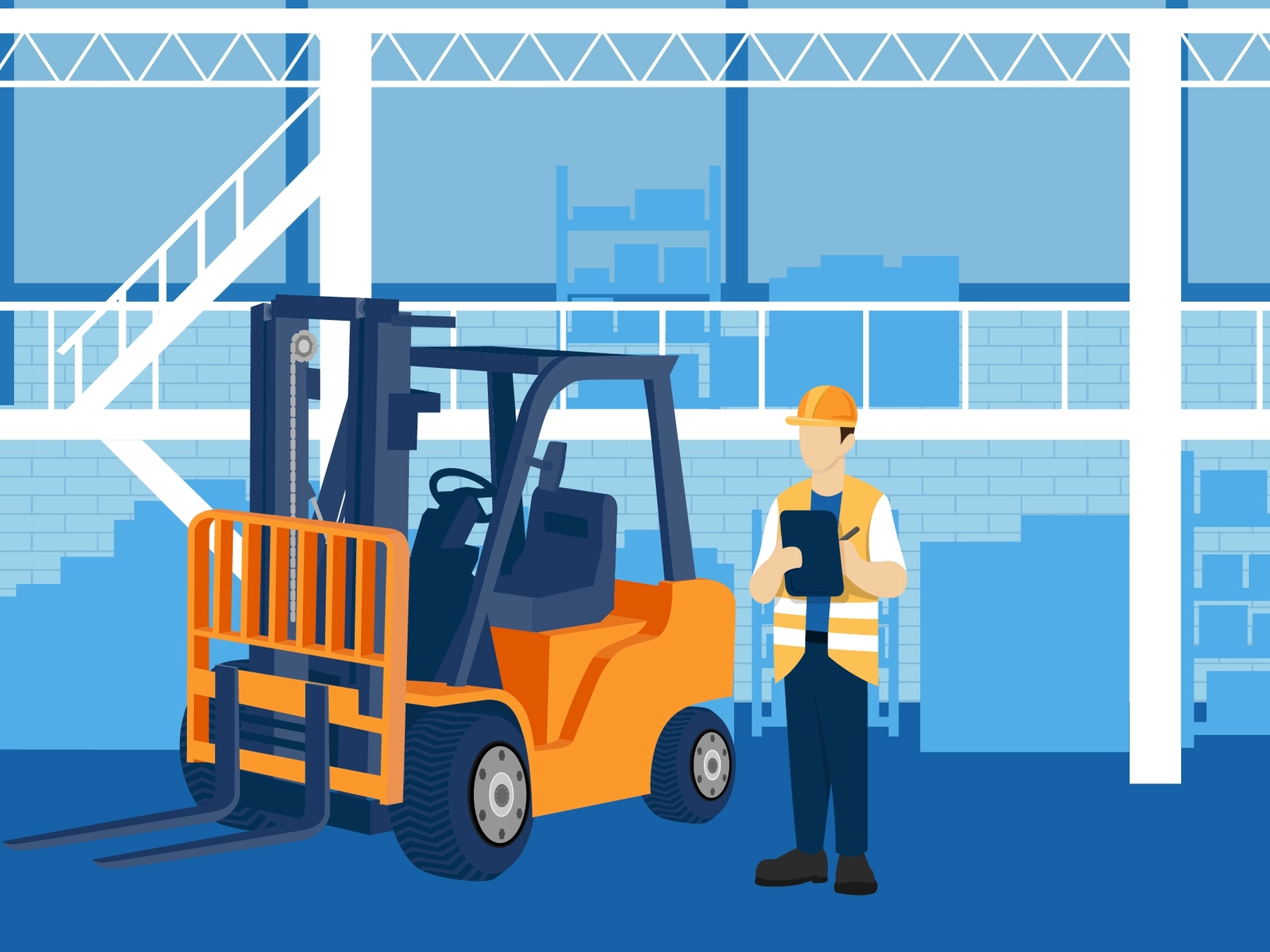
Is there any forklift inspection requirements for massachusetts
If you operate a forklift in Massachusetts, you must comply with specific inspection requirements designed to ensure workplace safety and regulatory adherence. These mandates, rooted in OSHA standards and state-specific protocols, demand regular checks and documentation to prevent accidents and legal penalties. Understanding these rules is essential for any warehouse or industrial facility manager.
Understanding Massachusetts Forklift Inspection Requirements
Massachusetts enforces forklift inspection requirements primarily through federal OSHA regulations, which apply to all workplaces in the state. The key standard is 29 CFR 1910.178, which mandates daily pre-shift inspections and periodic maintenance checks. While Massachusetts does not have a separate state-specific forklift inspection law, it adopts OSHA’s comprehensive framework, meaning non-compliance can result in fines and shutdowns. Employers must ensure that all powered industrial trucks are examined at least once every shift or after use in hazardous conditions.
Daily Pre-Shift Inspections
Every forklift must undergo a visual and operational inspection before the first use of each shift. This includes checking brakes, steering, controls, tires, forks, and safety devices like lights and horns. The operator must also verify fluid levels and look for leaks or damage. These inspections must be documented on a checklist that includes the date, operator name, and any defects found. If a forklift fails inspection, it must be taken out of service immediately until repairs are made.
Periodic Maintenance and Recordkeeping
Beyond daily checks, Massachusetts requires scheduled preventive maintenance based on the forklift’s manufacturer recommendations. This includes tasks like engine servicing, hydraulic system checks, and battery maintenance. Employers must maintain detailed records of all inspections and repairs for at least one year, as OSHA can request them during inspections. Failure to keep accurate logs is a common violation in Massachusetts.
Key Components of a Comprehensive Inspection Checklist
A thorough forklift inspection in Massachusetts should cover several critical areas to meet legal and safety standards. Below is a table summarizing typical requirements:
| Inspection Item | Daily Requirement | Periodic Requirement |
|---|---|---|
| Brakes and steering | Functionality test | Adjustment and wear check |
| Tires and wheels | Air pressure and damage | Tread depth and alignment |
| Forks and mast | Cracks, bends, or wear | Lift capacity test |
| Safety devices | Horn, lights, backup alarm | Operation of seatbelt |
| Fluid levels | Oil, coolant, hydraulic fluid | Change intervals |
Liftron Material Handling and Compliance
For Massachusetts businesses seeking reliable equipment that meets inspection requirements, Liftron Material Handling offers a range of high-quality forklifts designed for durability and safety. Their models are built with advanced diagnostics to simplify daily checks and ensure compliance with OSHA standards. Choosing the right equipment reduces the risk of inspection failures and improves workplace efficiency.
Special Considerations for Lithium-Ion Forklifts
With the growing adoption of lithium-ion forklifts, Massachusetts facilities must also adapt inspection protocols to these modern power systems. The Liftron DL SERIES lithium-ion forklift requires specific checks on the battery management system, charging equipment, and thermal sensors, in addition to standard mechanical inspections. These forklifts eliminate the need for traditional battery water checks, but operators must still inspect connectors, cables, and charger functionality daily. Proper training on lithium-ion systems is critical to maintaining safety and compliance.
Operator Training and Certification
Massachusetts mandates that all forklift operators complete formal training and be certified before use. Training must cover inspection procedures, safe operation, and hazard recognition. Refresher training is required every three years or after an incident. Employers must maintain training records for each operator, as proof of compliance during OSHA inspections.
Penalties for Non-Compliance
Operating a forklift without adhering to Massachusetts inspection requirements can lead to severe consequences. OSHA fines for willful violations can exceed $150,000 per incident. Additionally, if an accident occurs due to improper inspection, employers may face lawsuits, increased insurance premiums, and reputational damage. Regular inspections help avoid these risks and foster a safety culture.
Best Practices for Massachusetts Facilities
To stay compliant, consider implementing digital inspection logs that timestamp each check and flag defects automatically. Designate a safety coordinator to review weekly inspection results and ensure repairs are completed promptly. Invest in equipment like the Liftron DL SERIES which features built-in self-diagnostics that simplify compliance. Partnering with suppliers like Liftron Material Handling provides access to maintenance support and training resources tailored to Massachusetts regulations.
Conclusion
Forklift inspection requirements in Massachusetts are stringent but necessary for operational safety and legal compliance. By conducting daily pre-shift checks, maintaining thorough records, and using reliable equipment from trusted providers like Liftron Material Handling, you can meet these obligations effectively. Stay proactive with training and technology to ensure your workplace remains safe and inspection-ready.

Add a review
Your email address will not be published. Required fields are marked *