
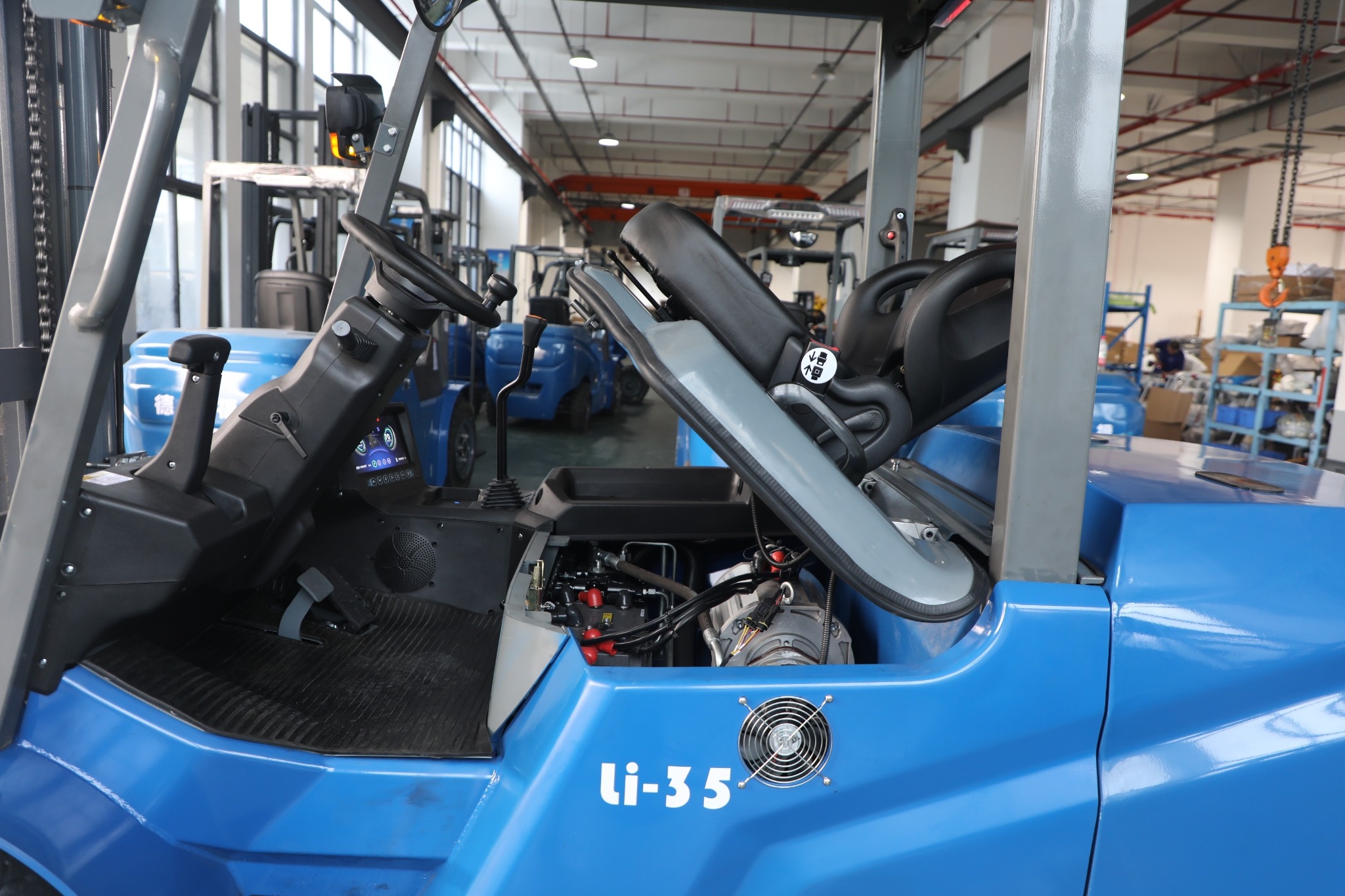
How to Determine the Age of a Liftron Forklift?
Quick Answer: To determine the age of a Liftron forklift, locate the data plate or metal nameplate on the forklift frame. This plate usually lists the serial number, model number, rated capacity, and other key identification details. Once you have the serial number, a dealer or manufacturer representative can help confirm the production year.
Knowing the age of a forklift is important when buying used equipment, planning maintenance, estimating resale value, ordering parts, or deciding whether to replace an older truck. Forklifts can remain useful for many years when properly maintained, but age still affects battery condition, hydraulic components, electrical systems, tires, mast wear, and overall reliability.
If you operate or plan to purchase liftron forklifts, the best place to begin is the forklift data plate. This plate acts like the equipment’s identity card. It can help you confirm the model, serial number, load capacity, attachment information, and sometimes manufacturing-related details. However, the exact way to decode age may vary by model, so it is usually best to verify the serial number through an authorized dealer or Liftron support channel.
Where to Find the Forklift Data Plate
The data plate is usually a metal nameplate attached to the forklift frame, dashboard area, operator compartment, or near the steering column. On some forklifts, it may be located close to the seat, mast, battery compartment, or side panel. The plate should be easy for the operator or technician to read during inspections.
The data plate may include the model number, serial number, rated load capacity, load center, lift height, truck weight, attachment details, battery voltage, and other safety-related specifications. If the plate is damaged, missing, painted over, or unreadable, you should avoid guessing. A missing or unreadable data plate can create safety and compliance problems, especially if the forklift’s capacity is unknown.
Key Takeaway: The serial number is usually the most important clue when determining forklift age. If you cannot decode it yourself, contact a dealer with the serial number, model number, and clear photos of the data plate.
Step-by-Step: How to Determine the Age of a Liftron Forklift
- Locate the data plate: Check the forklift frame, operator area, dashboard, side panel, or near the mast for the metal nameplate.
- Record the serial number: Write down the complete serial number exactly as shown. Do not skip letters, dashes, or special characters.
- Record the model number: The model number helps identify the forklift series, capacity class, power type, and configuration.
- Take clear photos: Photograph the data plate, mast, battery compartment, hour meter, and full forklift from multiple angles.
- Contact a dealer: Send the serial number and model number to a Liftron dealer or support representative to confirm the production year.
Best Options After You Find the Serial Number
Contact a Dealer
The most reliable way to determine the age of a Liftron forklift is to contact a dealer or manufacturer representative. Provide the serial number, model number, and photos of the data plate. A dealer may be able to check internal records, production information, service history, or parts documentation.
This is especially useful when buying a used forklift. Sellers may estimate the age incorrectly, and hour meters can sometimes be replaced or reset. Dealer verification gives you a more dependable answer than relying only on appearance.
Check the Mast or Engine Area
Some forklifts may have additional tags, labels, stamped numbers, or component date codes on the mast, engine, motor, battery compartment, or controller. These details may not prove the exact build year of the whole forklift, but they can provide supporting clues.
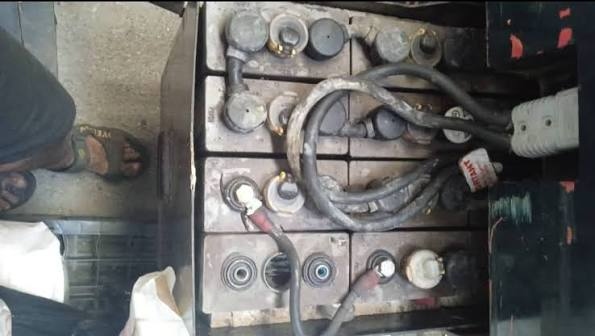
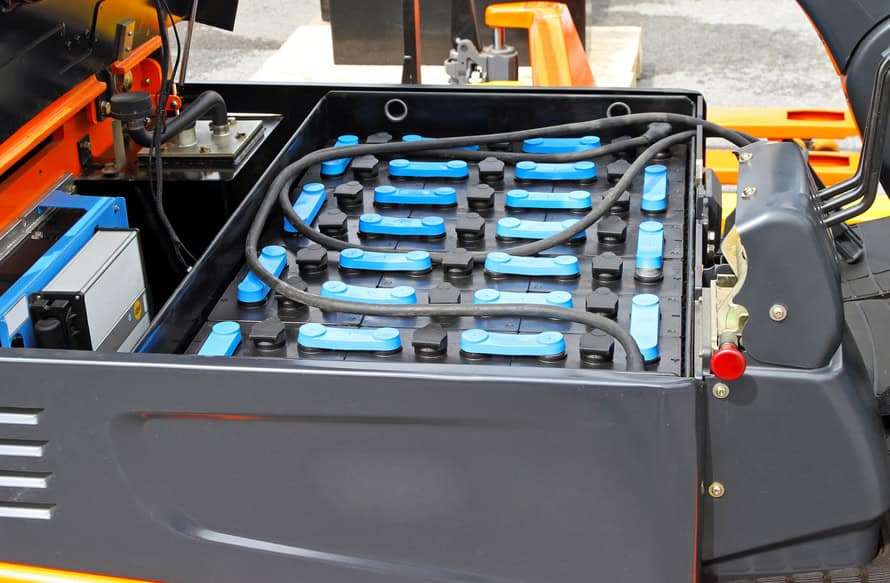
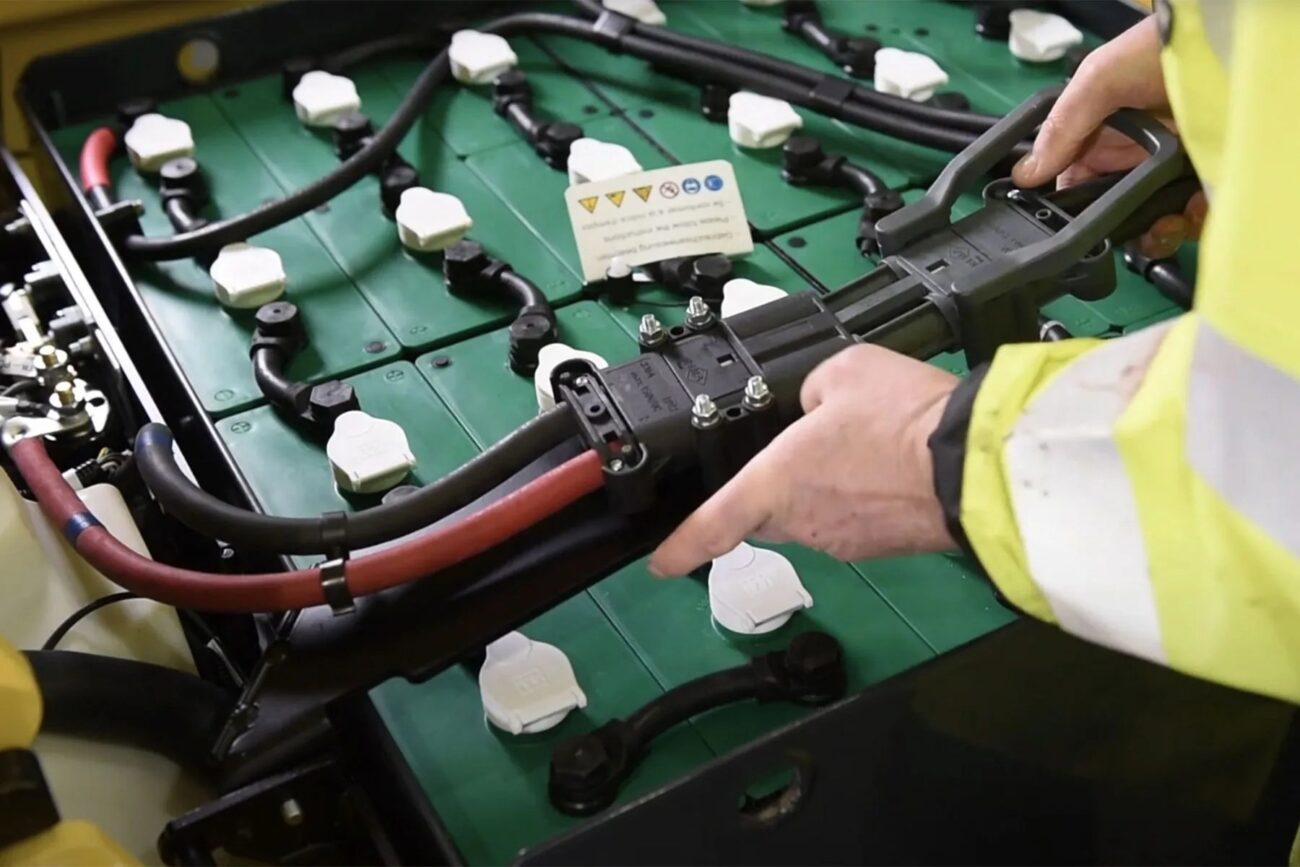
For electric forklifts, battery information can also help estimate operational history. However, battery age is not always the same as forklift age because batteries can be replaced during the truck’s service life.
Gauge Operational Age
Operational age is different from calendar age. A five-year-old forklift with low hours and good maintenance may be in better condition than a two-year-old forklift used in harsh multi-shift operations. Check the hour meter, service records, tire wear, mast wear, hydraulic leaks, brake condition, steering response, and battery performance.
If the forklift has been used in cold storage, outdoor yards, heavy manufacturing, dusty environments, or multi-shift logistics operations, it may show more wear than a similar truck used lightly indoors.
Why Forklift Age Matters
Forklift age affects maintenance planning, parts availability, safety inspections, and resale value. Older forklifts may require more frequent repairs, especially if they have high hours or incomplete service records. Hydraulic hoses, mast chains, tires, brakes, controllers, motors, batteries, and steering components should all be inspected carefully.
Age also matters when comparing used forklifts. A lower purchase price may not be a good deal if the truck needs major repairs soon after purchase. Buyers should compare production year, operating hours, application history, and maintenance records before making a decision.
Pro Tip: When evaluating used liftron forklifts, do not rely on age alone. Always compare the hour meter, battery condition, inspection report, service history, and actual operating environment.
Are Liftron Forklifts Good?
Yes, Liftron forklifts can be a strong option for businesses looking for practical, efficient, and modern material handling equipment. They are often chosen for warehouse handling, logistics operations, manufacturing plants, storage facilities, and industrial applications where reliability and productivity matter.
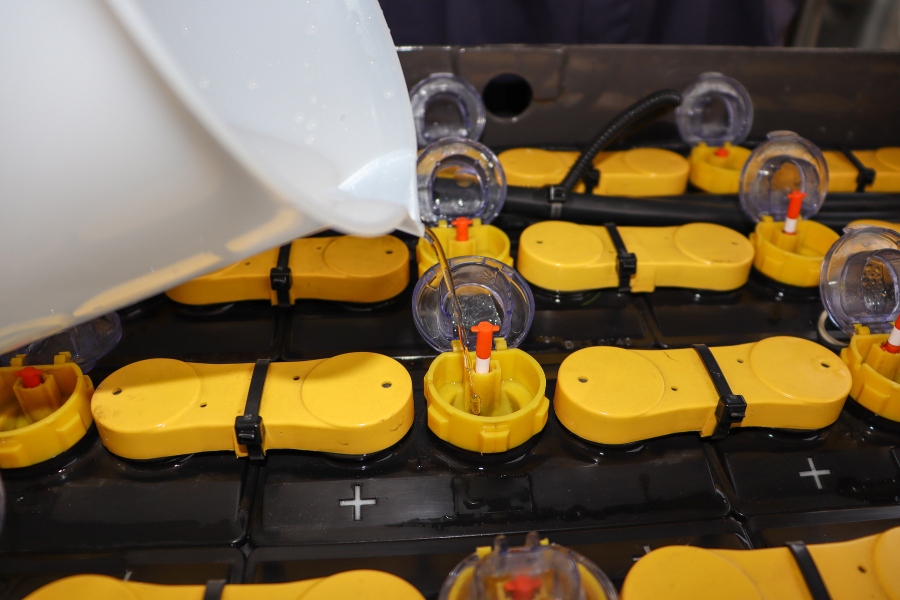
Liftron’s electric and lithium-ion forklift options can be especially attractive for companies that want lower daily maintenance, cleaner indoor operation, and flexible charging compared with traditional internal combustion equipment. Lithium-ion models may help reduce battery maintenance tasks such as watering and acid cleanup, while supporting efficient use across different working scenarios.
As with any forklift brand, the right choice depends on your load capacity, aisle width, lift height, surface conditions, operating hours, and service support. A properly selected and well-maintained Liftron forklift can support safe, efficient, and long-term material handling performance.
Conclusion
To determine the age of a Liftron forklift, start by locating the data plate and recording the serial number and model number. Then contact a dealer or manufacturer representative for confirmation. You can also check the mast, battery, engine, or controller area for supporting clues, but the serial number is usually the most important detail.
Forklift age is useful, but it should not be the only factor in your decision. Always consider operating hours, service history, battery condition, maintenance records, and the environment where the forklift was used. When properly selected and maintained, Liftron forklifts can be a reliable choice for modern material handling needs.
Add a review
Your email address will not be published. Required fields are marked *