
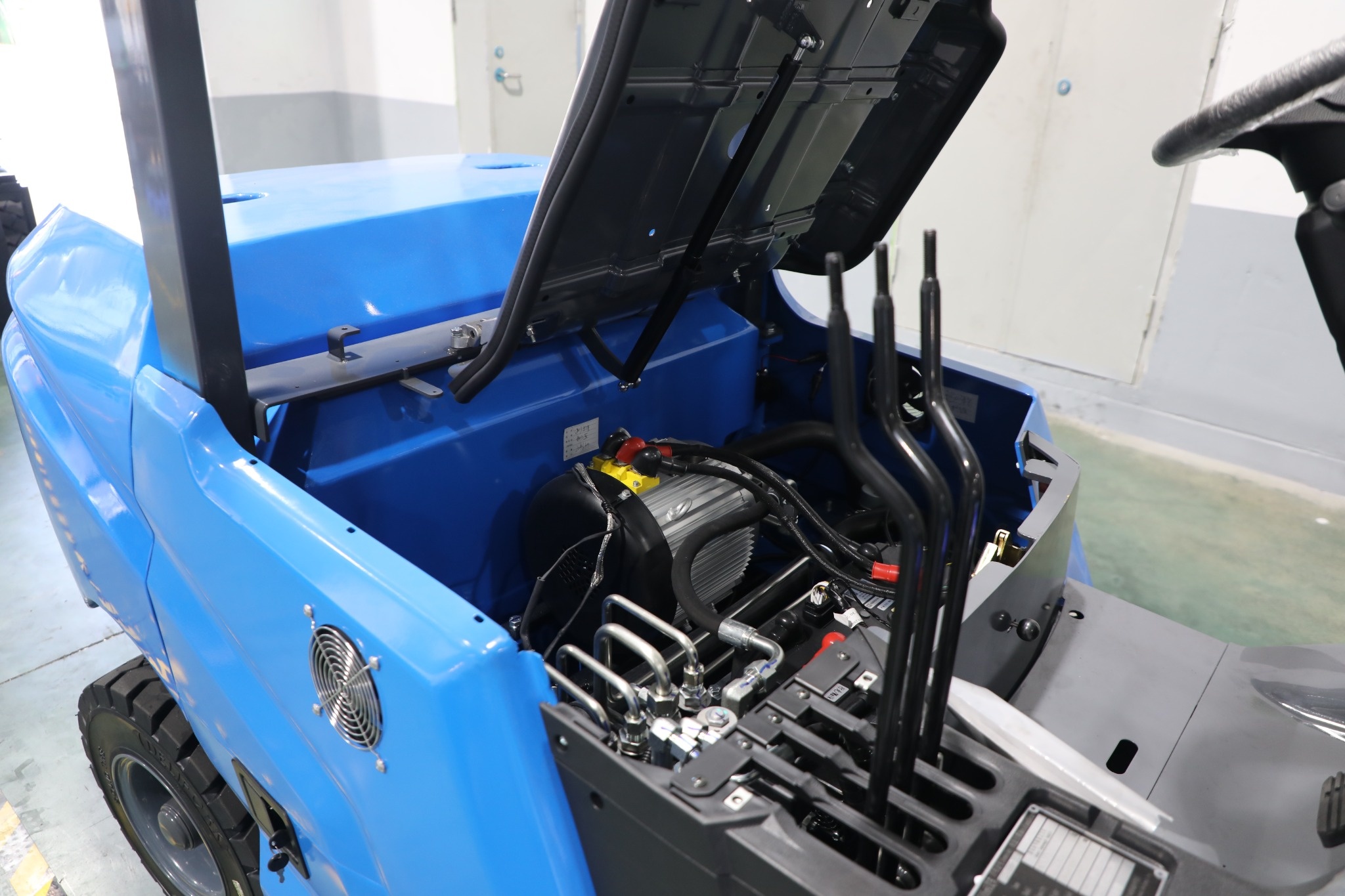
How to Check Cable Under Seat Liftron Forklift
If you need to check the cable under a Liftron forklift seat, proper safety procedures are essential. Understanding the wiring system helps prevent electrical issues, improves forklift reliability, and ensures operator safety.
Modern forklifts rely on a network of electrical cables, sensors, and safety interlock systems located beneath the operator’s seat. Whether you operate an electric forklift or an internal combustion model, regularly inspecting these cables can help identify wear, loose connections, corrosion, and potential faults before they lead to costly downtime. Companies using forklifts from Liftron Material Handling often perform routine inspections as part of their preventive maintenance programs to maximize equipment performance and safety.
Why Are Cables Located Under the Forklift Seat?
The area beneath the operator’s seat serves as a protected location for important electrical components. Depending on the forklift model, the cables under the seat may connect to:
- Seat safety switch systems
- Operator presence sensors
- Battery monitoring circuits
- Control modules
- Drive and hydraulic systems
- Diagnostic communication ports
- Emergency shutdown circuits
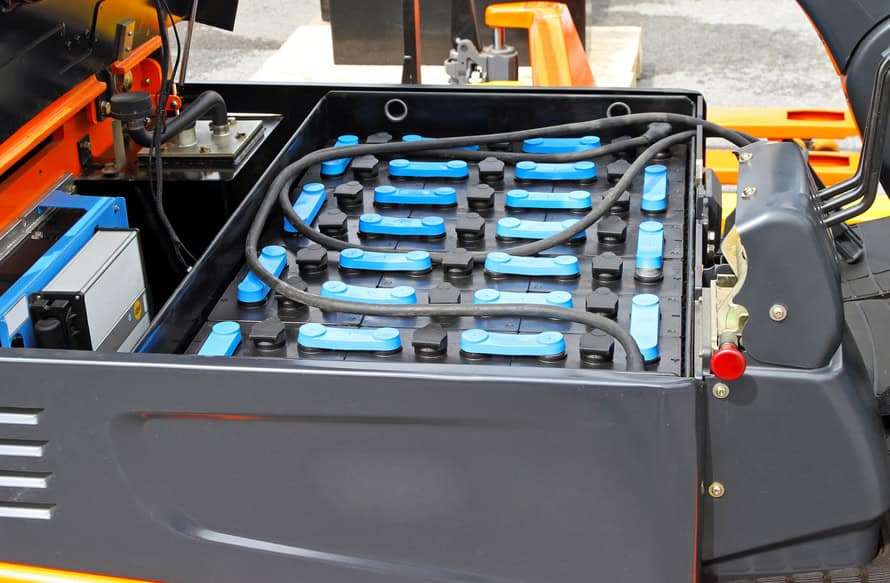
In electric forklifts, these cables play a particularly important role because they help control power distribution between the battery, controller, and various electronic systems.
Safety Precautions Before Checking Under-Seat Cables
Checking the cables under a forklift seat requires safety precautions due to the high-voltage battery (in electric models) and the safety interlock systems. Always park the forklift on a level surface, apply the parking brake, turn off the ignition, and disconnect the main battery before accessing the wiring components.
Before beginning your inspection, follow these important steps:
- Park the forklift on a flat, stable surface.
- Lower the forks completely to the ground.
- Engage the parking brake.
- Turn off the ignition switch.
- Remove the key from the forklift.
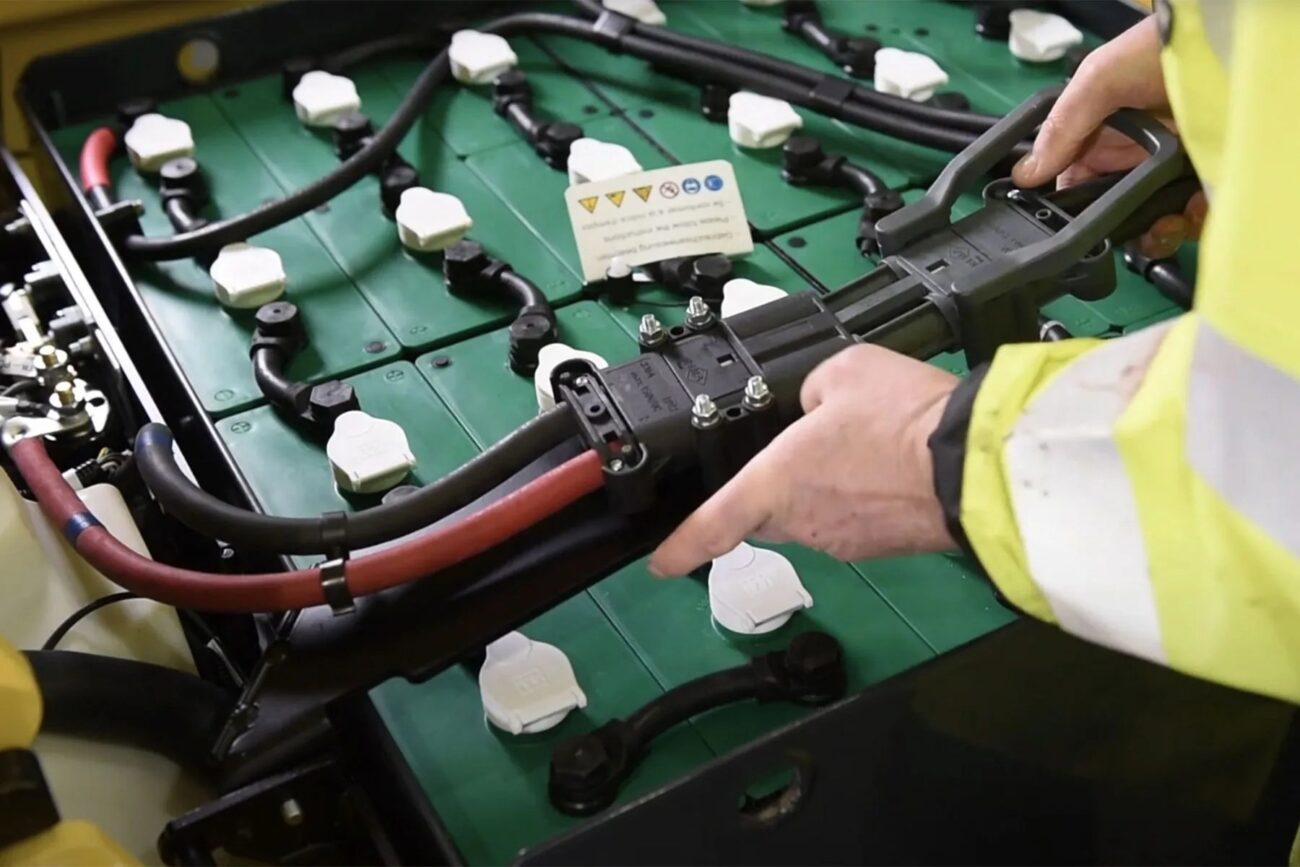
- Disconnect the battery connector if applicable.
- Wear insulated gloves and safety glasses.
- Allow electrical systems to discharge before touching connectors.
Never inspect electrical components while the forklift is operating or while power remains connected to the system.
How to Access the Cables Under the Seat
Most Liftron forklifts are designed with a seat assembly that can be tilted or lifted to provide access to maintenance areas. Depending on the model, you may find a release latch located on the side or rear of the seat.
Follow these general steps:
- Locate the seat release mechanism.
- Lift or tilt the seat carefully.
- Secure the seat in the open position if a support mechanism is available.
- Inspect the compartment for cables, connectors, and wiring harnesses.
- Use adequate lighting to improve visibility.
Avoid forcing any components. If resistance is encountered, consult the forklift’s service manual for model-specific instructions.
What to Look for During Cable Inspection
Once the seat is open and the wiring is visible, perform a thorough visual inspection. Several common issues can develop over time due to vibration, moisture, dust, and regular equipment use.
1. Damaged Insulation
Inspect the outer insulation on each cable. Look for:
- Cracks
- Cuts
- Abrasions
- Melted sections
- Exposed conductors
Damaged insulation can create short circuits and safety hazards.
2. Loose Connectors
Forklifts operate in demanding environments where vibration is common. Over time, connectors may loosen.
Check that:
- Connectors are fully seated.
- Locking tabs remain intact.
- No wires are pulling out of terminals.
- Connection points feel secure.
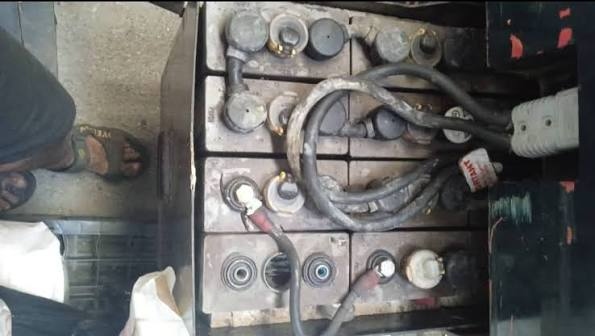
3. Corrosion
Moisture exposure can lead to corrosion on terminals and connectors. Signs include:
- Green residue
- White powder deposits
- Rust formation
- Discolored metal surfaces
Corroded connections can increase electrical resistance and cause system malfunctions.
4. Pinched or Crushed Wiring
Inspect cable routing carefully. Ensure wires are not:
- Pinched by seat brackets
- Trapped beneath moving components
- Rubbing against sharp edges
- Compressed by mounting hardware
Improper routing can eventually damage the wiring harness.
5. Signs of Overheating
Electrical overheating often leaves visible evidence. Look for:
- Melted connectors
- Burn marks
- Discolored insulation
- Burning odor residue
These symptoms may indicate excessive current draw or poor electrical connections.
Testing the Under-Seat Cables
If visual inspection does not reveal obvious damage but electrical issues persist, further testing may be necessary.
Using a digital multimeter, qualified technicians can:
- Check continuity.
- Measure voltage.
- Verify grounding.
- Test resistance values.
- Confirm sensor operation.
Always follow manufacturer procedures when performing electrical diagnostics. Improper testing can damage sensitive electronic components.
Common Problems Associated with Under-Seat Wiring
Several forklift performance issues can sometimes be traced back to under-seat cable problems:
- Forklift will not start.
- Intermittent power loss.
- Safety system faults.
- Error codes on the display.
- Operator presence sensor failures.
- Unexpected shutdowns.
- Reduced drive performance.
Prompt inspection and repair help prevent these problems from becoming more severe.
Preventive Maintenance Tips
Routine inspections are the most effective way to avoid electrical failures. Establish a maintenance schedule that includes:
- Monthly visual wiring inspections.
- Cleaning electrical compartments.
- Checking connector security.
- Verifying cable routing.
- Monitoring battery condition.
- Inspecting seat safety switches.
Many operators choosing the Liftron DL SERIES benefit from advanced electrical systems and lithium-ion technology, making routine inspections even more important for maintaining peak performance and long-term reliability.
When to Call a Professional Technician
While visual inspections can often be performed by trained operators, some situations require professional service. Contact a qualified forklift technician if you discover:
- Burned wiring.
- Repeated fault codes.
- Battery-related electrical issues.
- Damaged control modules.
- Complex sensor failures.
- Unknown wiring modifications.
Professional technicians have the specialized diagnostic equipment necessary to identify and correct electrical faults safely.
Conclusion
Knowing how to check the cable under a Liftron forklift seat is an important part of preventive maintenance. By following proper safety procedures, accessing the wiring compartment carefully, and inspecting cables for wear, corrosion, loose connections, and damage, operators can identify potential issues before they affect productivity or safety. Regular inspections not only reduce downtime but also help extend the service life of the forklift and its electrical systems. Whether you operate a standard warehouse forklift or a modern lithium-powered model, maintaining the under-seat wiring harness should be a routine component of every maintenance program.
Add a review
Your email address will not be published. Required fields are marked *