
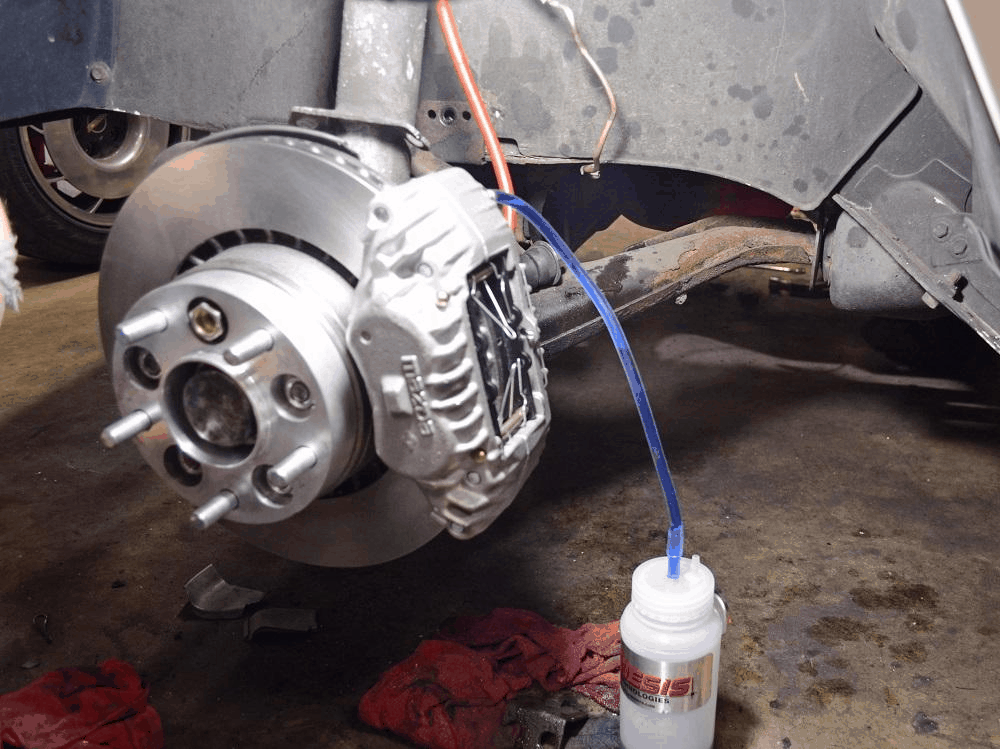
How to Bleed Brakes on a Liftron Forklift
Bleeding brakes on a Liftron forklift is an essential maintenance procedure that removes trapped air from the hydraulic braking system, restores proper pedal feel, and ensures safe operation. Whether you operate an electric or internal combustion forklift, understanding the correct brake bleeding process helps maintain reliable stopping power and improves workplace safety.
Regular brake maintenance is critical for any forklift fleet. Modern forklifts from Liftron Material Handling are designed for durability and performance, but like any hydraulic braking system, they require periodic inspection and servicing. Properly bleeding the brakes can eliminate a soft or spongy brake pedal and help ensure the forklift remains safe for operators and surrounding personnel.
Why Brake Bleeding Is Important
The hydraulic brake system relies on brake fluid to transfer force from the pedal to the wheel cylinders or calipers. Unlike brake fluid, air is compressible. When air enters the brake lines, it creates a spongy pedal feel and reduces braking efficiency.
Common reasons a Liftron forklift may need brake bleeding include:
- Brake fluid replacement.
- Repair or replacement of brake components.
- Low brake fluid levels.
- Hydraulic line leaks.
- Soft or spongy brake pedal.
- Inconsistent stopping performance.
Ignoring air in the brake system can increase stopping distances and create safety hazards in warehouses, loading docks, and manufacturing facilities.
Tools and Materials Required
Before beginning the procedure, gather the following tools and supplies:
- Wrench or brake bleeder wrench.
- Clear plastic hose.
- Glass jar or collection container.
- Fresh brake fluid (DOT 3 or DOT 4 as specified in the forklift manual).
- Shop towels or rags.
- Safety gloves.
- Safety glasses.
- Assistant to operate the brake pedal (recommended).
Always consult your specific Liftron forklift service manual to verify the recommended brake fluid type and maintenance procedures.
Safety Precautions Before Starting
Safety should always come first when servicing forklift braking systems.
- Park the forklift on a level surface.
- Lower the forks completely to the ground.
- Engage the parking brake.
- Turn off the power or engine.
- Remove the key from the ignition.
- Wear appropriate personal protective equipment.
- Keep brake fluid away from painted surfaces.
Brake fluid can damage paint and certain plastics, so clean any spills immediately.
Step 1: Locate the Brake Fluid Reservoir
Open the access panel or hood of the forklift and locate the brake master cylinder reservoir. The reservoir is typically mounted near the operator compartment or underneath the floor panel, depending on the forklift model.
Inspect the fluid level before beginning. If the reservoir is low, top it off with the correct brake fluid specified by the manufacturer.
Never mix incompatible brake fluid types, as this can damage seals and reduce braking performance.
Step 2: Identify the Bleeder Valves
Locate the brake bleeder screws on each wheel cylinder or brake caliper. These valves allow trapped air and old fluid to exit the hydraulic system.
Most technicians begin with the wheel farthest from the master cylinder and work toward the closest wheel. A typical sequence may be:
- Right rear wheel.
- Left rear wheel.
- Right front wheel.
- Left front wheel.
Always verify the proper bleeding order in your forklift’s service documentation.
Step 3: Connect the Bleeding Hose
Place one end of the clear plastic hose over the bleeder valve and insert the other end into a glass jar partially filled with fresh brake fluid.
This setup helps prevent air from being drawn back into the system during the bleeding process and allows you to observe air bubbles leaving the brake line.
Step 4: Pump the Brake Pedal
Have an assistant sit in the operator seat and slowly pump the brake pedal three to five times. After pumping, instruct them to hold the pedal firmly down.
Maintaining pressure on the pedal is important because it helps force trapped air and old fluid toward the bleeder valve.
Step 5: Open the Bleeder Valve
Using the appropriate wrench, carefully loosen the bleeder valve approximately one-quarter turn.
You should see brake fluid and air bubbles flowing through the clear hose into the jar. As the fluid exits, the brake pedal will gradually move toward the floor.
Once the flow slows or stops, tighten the bleeder valve before the assistant releases the brake pedal.
This step prevents air from being pulled back into the system.
Step 6: Repeat the Process
Continue the pump-hold-open-close sequence until no air bubbles appear in the hose.
Clear, bubble-free fluid indicates that air has been successfully removed from that section of the hydraulic system.
Check the brake fluid reservoir frequently during the process. Never allow the fluid level to drop below the minimum mark, as this can introduce additional air into the system and require restarting the procedure.
Step 7: Bleed the Remaining Wheels
Move to the next wheel in the recommended sequence and repeat the entire bleeding process.
Work methodically around the forklift until all brake circuits have been serviced.
Taking your time during this step helps ensure complete air removal and consistent braking performance across all wheels.
Step 8: Inspect the Brake Pedal
After bleeding all wheels, fill the reservoir to the recommended level and securely reinstall the cap.
Press the brake pedal several times. The pedal should feel firm and responsive with minimal travel.
If the pedal still feels soft or spongy, additional bleeding may be required, or there may be another issue such as:
- Master cylinder failure.
- Brake line leaks.
- Damaged wheel cylinders.
- Worn brake components.
Testing the Forklift After Brake Bleeding
Before returning the forklift to service, perform a controlled operational test in a safe area.
- Start the forklift.
- Drive at low speed.
- Apply the brakes gradually.
- Verify consistent stopping performance.
- Check for leaks around bleeder valves and hydraulic lines.
If any abnormalities are detected, stop operation immediately and inspect the braking system.
Brake Maintenance Tips for Liftron Forklifts
Routine maintenance can reduce brake issues and extend component life. Consider the following best practices:
- Inspect brake fluid levels regularly.
- Replace brake fluid according to maintenance schedules.
- Check hydraulic lines for leaks.
- Inspect brake pads and shoes for wear.
- Keep maintenance records for each forklift.
- Train operators to report brake performance issues promptly.
Many businesses upgrading their equipment choose advanced lithium-powered models such as the Liftron DL SERIES, which combines efficiency, reduced maintenance requirements, and dependable performance for modern material handling applications.
Conclusion
Knowing how to bleed brakes on a Liftron forklift is a valuable maintenance skill that helps maintain safe and reliable operation. By removing trapped air from the hydraulic system, operators can restore firm pedal feel, improve stopping power, and reduce safety risks in the workplace. With the proper tools, correct brake fluid, and a systematic approach, brake bleeding can be completed efficiently and effectively. Regular inspections and preventive maintenance will help keep your Liftron forklift fleet operating safely and productively for years to come.
Add a review
Your email address will not be published. Required fields are marked *