
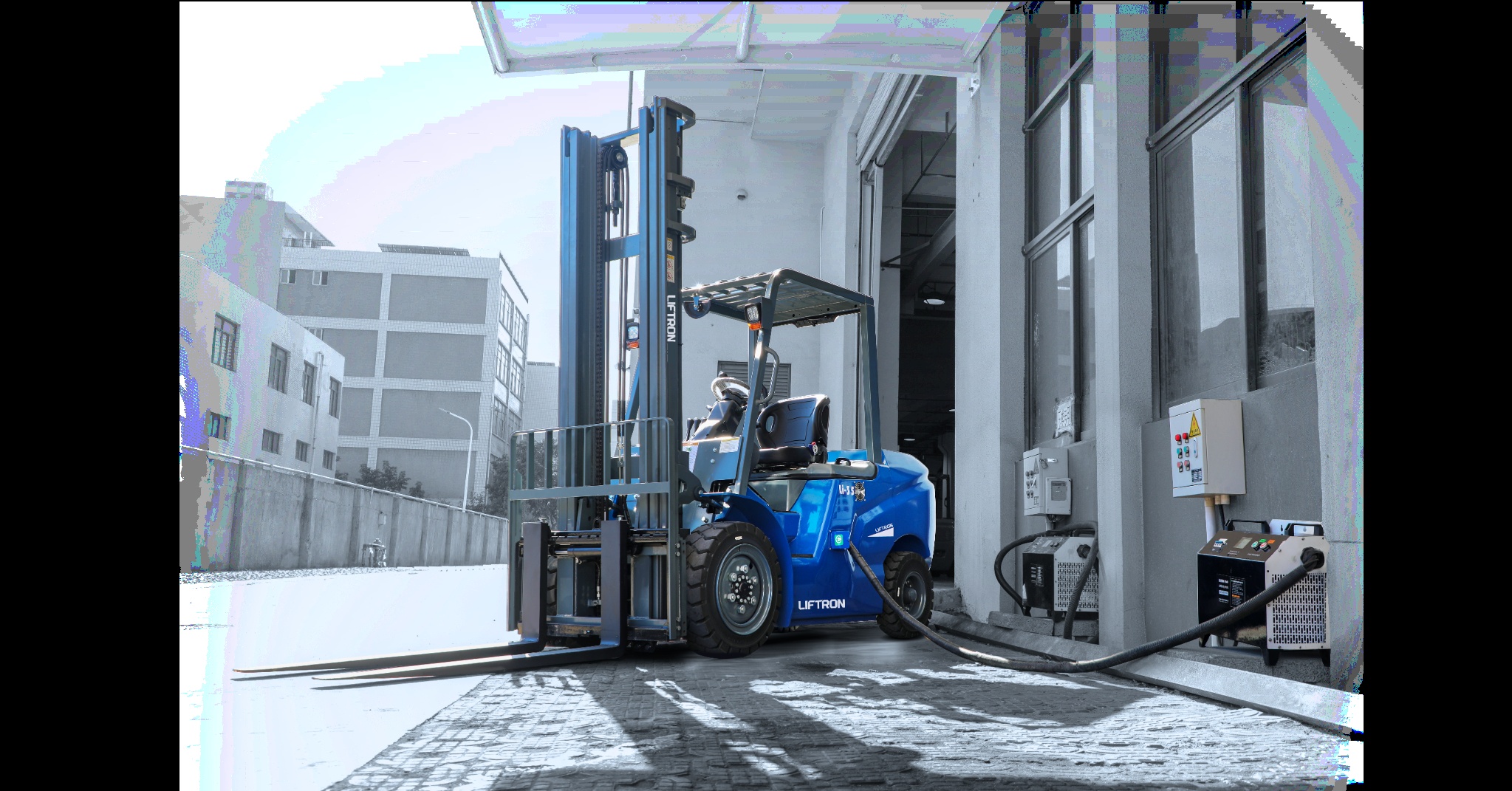
How to Charge a Liftron Forklift Battery
A modern liftron forklift is designed to deliver clean, reliable, and efficient material handling performance with lithium battery technology. Compared with traditional lead-acid forklifts, lithium-powered forklifts are easier to charge, require less maintenance, and support more flexible daily operation. However, to get the best performance and longest service life from the battery, it is still important to follow the correct charging procedure.
To charge a Liftron forklift battery safely and efficiently, park the forklift on a level surface, engage the parking brake, and turn off the ignition. Then connect the charger securely to the battery charging port and allow the battery to charge completely before disconnecting. While the process is straightforward, operators should use the correct charger, monitor battery status, and avoid unsafe charging habits that could reduce battery life or affect performance.
Why Proper Forklift Battery Charging Matters
The battery is one of the most important components of any electric forklift. It powers travel, lifting, hydraulic functions, steering systems, lights, displays, and other electrical components. If the battery is charged incorrectly or allowed to run too low too often, it may affect daily runtime, power output, and long-term battery health.
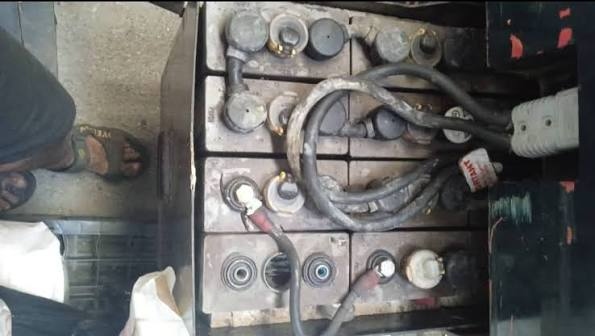
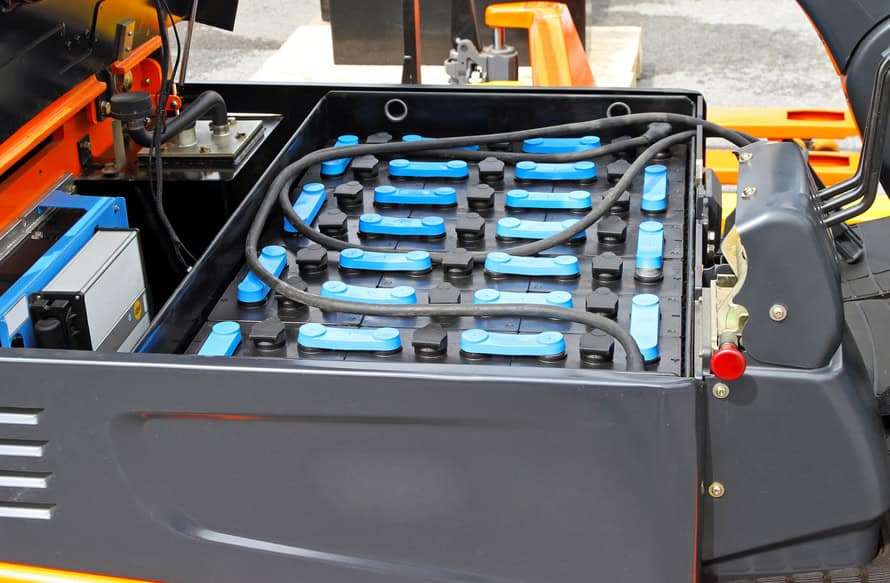
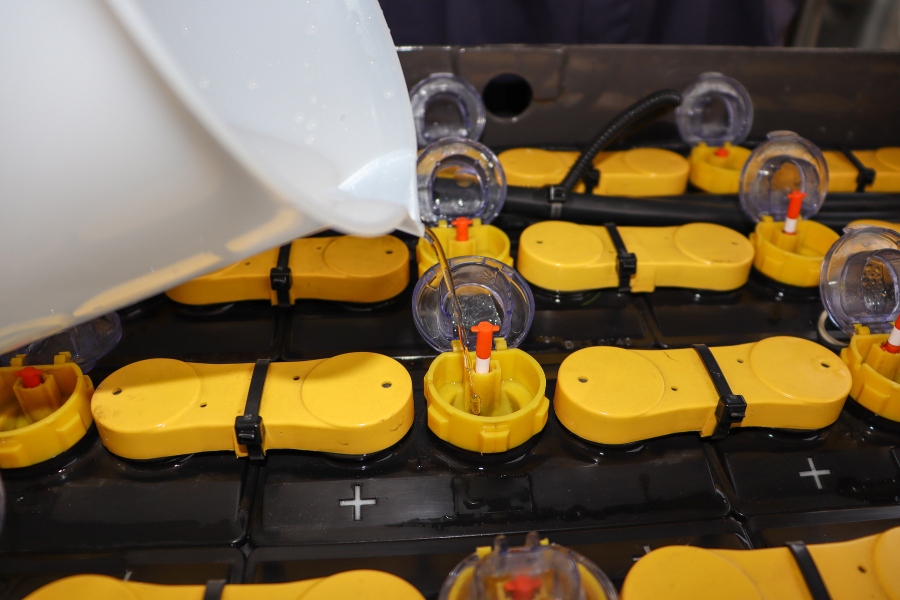
Liftron lithium forklift batteries are designed to simplify this process. Unlike traditional lead-acid batteries, lithium batteries do not require watering, equalization charging, acid handling, or long cooling periods. This makes them easier for warehouse operators, logistics teams, and manufacturing facilities to manage during daily use.
Step-by-Step Guide to Charging a Liftron Forklift Battery
1. Park the Forklift Safely
Before charging, move the forklift to a designated charging area. The area should be dry, well organized, and free from unnecessary obstacles. Park the forklift on a level surface so it remains stable during charging. Avoid parking on slopes, ramps, or uneven ground.
Make sure the forklift is not blocking aisles, emergency exits, loading docks, or pedestrian walkways. A safe charging area helps reduce workplace risks and keeps the charging process organized.
2. Engage the Parking Brake
After parking, engage the parking brake. This prevents accidental movement while the battery is charging. Even though the forklift will be turned off, the parking brake is still an important safety step, especially in busy warehouses or facilities where other vehicles and workers are moving nearby.
3. Turn Off the Ignition
Turn off the ignition before connecting the charger. The forklift should not be operating while charging. Shutting down the forklift protects the electrical system and helps ensure the charger communicates correctly with the battery management system.
If the forklift has display screens, lights, or accessories turned on, switch them off before charging. This helps the battery charge more efficiently and prevents unnecessary energy use during the charging cycle.
4. Inspect the Charger and Charging Cable
Before plugging in, check the charger, cable, connector, and charging port. Look for signs of damage such as cracks, loose parts, exposed wires, bent pins, burn marks, or moisture. Do not use a damaged charger or cable.
A secure and clean connection is important for safe charging. If dirt, dust, or debris is present around the charging port, clean the area carefully according to the equipment guidelines. Never force the connector into the charging port.
5. Connect the Charger Securely
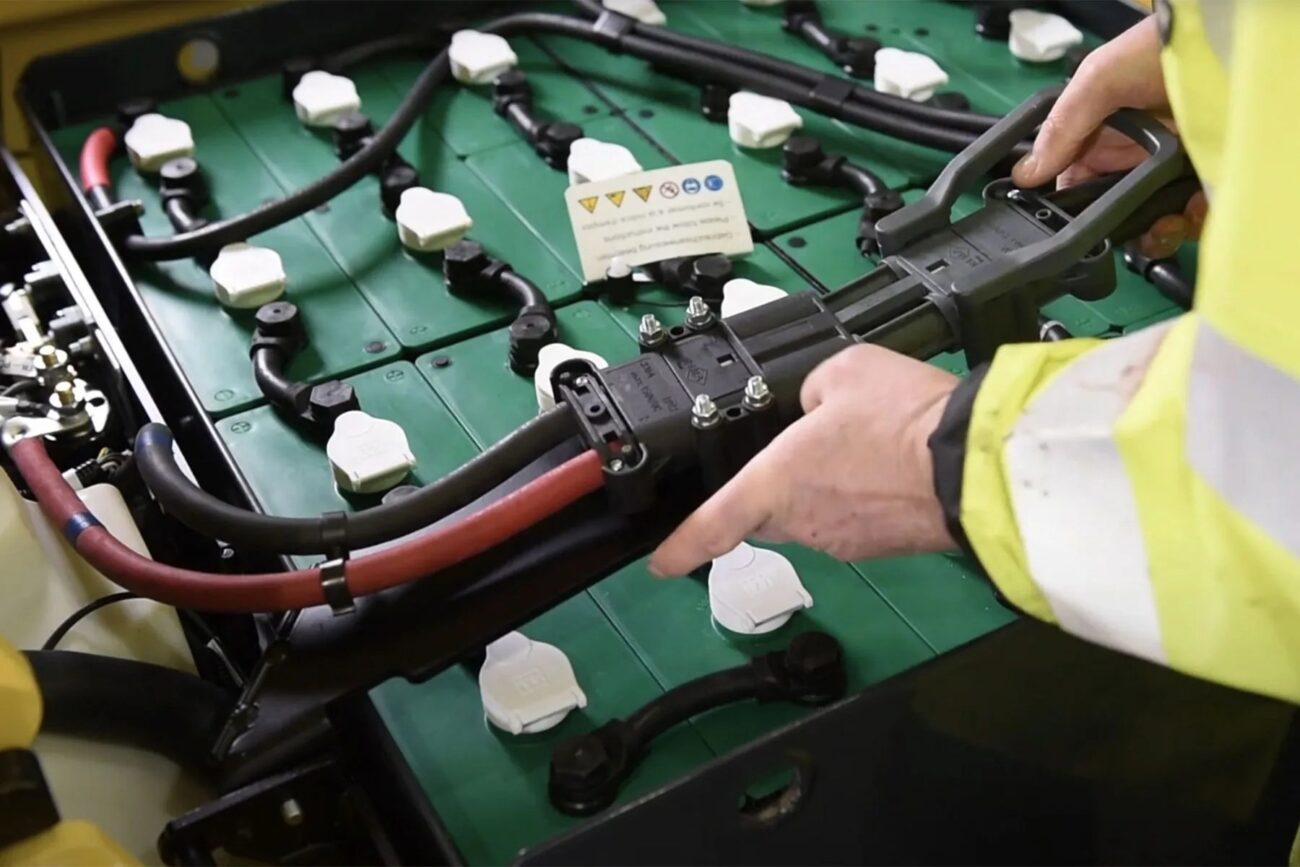
Connect the dedicated Liftron lithium charger to the forklift battery charging port. Make sure the connector is fully seated and secure. A loose connection may interrupt charging or cause communication errors.
Once connected, confirm that the charger begins working properly. Many chargers display charging status through indicator lights or a screen. The forklift display may also show battery status, charging progress, or state of charge.
6. Allow the Battery to Charge
Liftron lithium forklift batteries are designed for fast charging. In many applications, the battery can reach full capacity in roughly 1 to 2 hours, depending on battery size, charger capacity, current state of charge, and operating conditions.
During charging, avoid pulling on the charging cable, moving the forklift, or disconnecting the charger unnecessarily. Let the charger complete the cycle when possible. If the forklift is needed for urgent work, lithium technology also supports opportunity charging, which allows operators to plug in during short breaks.
7. Disconnect Correctly After Charging
When charging is complete, turn off or stop the charger if required by the charger design, then disconnect the charging plug carefully. Do not pull the cable by force. Hold the connector body and remove it properly from the charging port.
After disconnecting, place the cable and charger in a safe position where they will not be damaged by forklifts, pallet jacks, foot traffic, or other equipment. The forklift is then ready for operation.
Key Advantages of Liftron Lithium Forklift Battery Charging
Opportunity Charging
One of the biggest advantages of Liftron lithium forklift batteries is opportunity charging. Operators can plug in the forklift during short 15-minute breaks, lunch periods, shift changes, or other idle times without damaging battery health. This is different from traditional lead-acid batteries, which are less suitable for frequent partial charging.
Opportunity charging helps maximize daily runtime. Instead of waiting until the battery is almost empty, operators can keep the battery topped up throughout the day. This is especially helpful in busy warehouses, distribution centers, and multi-shift operations.
Zero Maintenance
Liftron lithium forklift batteries require no watering, no acid handling, and no equalizing charges. This makes daily battery management much easier and safer for operators. Traditional lead-acid batteries often require regular maintenance to prevent poor performance or shortened battery life. Lithium batteries remove many of these maintenance tasks.
For businesses, zero maintenance can reduce labor costs, improve safety, and eliminate the need for special battery watering procedures or acid handling equipment.
Fast Charging
Fast charging is another major advantage. A Liftron lithium forklift battery can typically reach full capacity in about 1 to 2 hours, depending on the specific truck voltage, charger, and battery capacity. This helps reduce downtime and allows forklifts to return to work quickly.
Fast charging is especially useful for companies with demanding schedules. Instead of rotating multiple lead-acid batteries or waiting through long charging and cooling cycles, lithium-powered forklifts can support more efficient daily operations.
Longer Lifespan
Lithium forklift batteries generally last 2 to 3 times longer than traditional lead-acid batteries when used and charged properly. This longer lifespan can improve total cost of ownership, reduce replacement frequency, and support more reliable fleet planning.
To achieve the best battery life, operators should still follow proper charging habits, use the correct charger, and avoid allowing the battery to remain deeply discharged for long periods.
High Efficiency
Lithium batteries maintain consistent power output even as the battery charge drops. This means the forklift can continue to perform strongly through the work shift instead of gradually losing power. Consistent output helps operators lift, travel, and handle materials with confidence.
Important Charging Guidelines
Use Matching Chargers
Always use the dedicated Liftron lithium charger that is compatible with your specific forklift voltage. Common forklift voltage systems may include 24V, 48V, or 80V. Using the wrong charger can affect charging performance and may damage the battery or battery management system.
Before charging, confirm that the charger matches the forklift model and battery voltage. If you are unsure, check the forklift manual, battery label, charger label, or contact the equipment supplier for confirmation.
Plug In Freely When the Truck Is Idle
Because lithium batteries support opportunity charging, you can connect the charger whenever the truck is idle. Short charging sessions during breaks can help maximize daily runtime and reduce the chance of running out of battery during operation.
This is especially helpful in multi-shift environments. Instead of waiting for a long charging window, operators can add useful charge throughout the day.
Avoid Total Depletion
Although lithium batteries are durable, it is best to avoid fully depleting the battery. Try to plug in before the state of charge drops below 10% to 20%. This helps protect the battery management system, reduces stress on the cells, and supports longer battery life.
If the forklift display shows a low battery warning, charge the battery as soon as possible. Do not continue operating the forklift until it shuts down unless it is absolutely necessary.
Keep the Charging Area Safe
A clean charging area improves safety and efficiency. Keep the charger away from water, heavy traffic, sharp objects, and heat sources. Do not place heavy items on charging cables. Make sure cables are not stretched across walkways or forklift paths.
Operators should also avoid using damaged connectors, extension cords not approved for the charger, or improvised charging setups. Safe charging habits help protect both the equipment and the workplace.
Common Charging Mistakes to Avoid
Some mistakes can reduce battery performance or create unnecessary risks. Avoid using non-compatible chargers, disconnecting the charger by pulling the cable, charging in wet conditions, ignoring error codes, or continuing to operate the forklift after repeated low-battery warnings.
It is also important not to treat lithium batteries like lead-acid batteries. Lithium batteries do not need watering, equalizing, or long cooling periods. Following lithium-specific guidelines will help maintain better performance and longer service life.
Conclusion
Charging a Liftron forklift battery is simple when operators follow the correct process. Park the forklift on a level surface, engage the parking brake, turn off the ignition, inspect the charger, connect the charger securely, allow the battery to charge, and disconnect properly when charging is complete.
Liftron lithium forklift batteries offer important advantages, including opportunity charging, zero maintenance, fast charging, longer lifespan, and consistent power output. By using the correct Liftron lithium charger, plugging in during idle time, and avoiding total depletion, businesses can maximize battery performance, reduce downtime, and keep their forklifts operating efficiently throughout the workday.
Add a review
Your email address will not be published. Required fields are marked *