
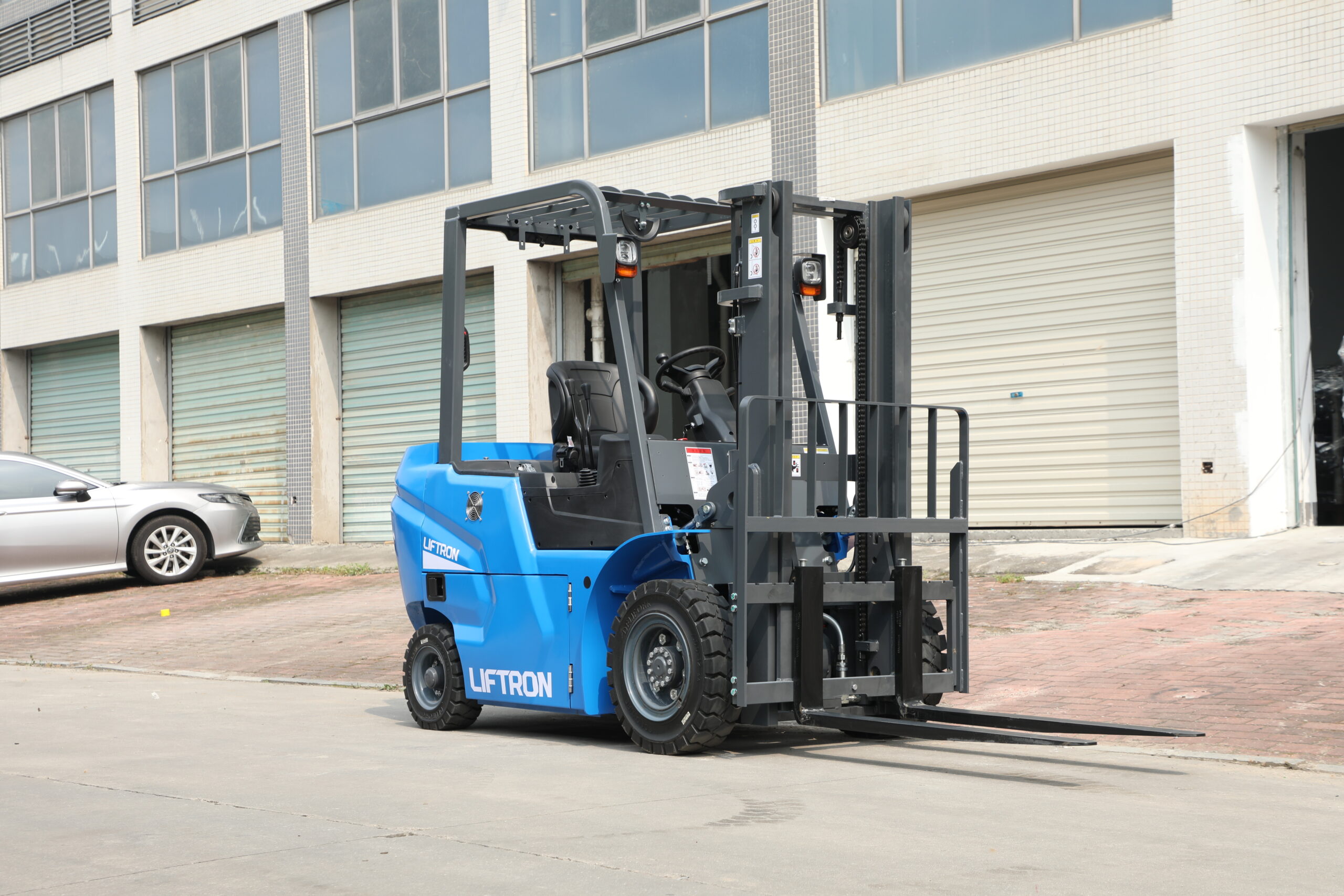
how many hours do liftron forklifts last
When investing in industrial equipment, the lifespan of a forklift directly impacts your total cost of ownership, so understanding how many hours a Liftron forklift lasts is critical for budgeting and operational planning. These electric lifts, particularly their lithium-ion models, are engineered for heavy-duty cycles, and with proper maintenance, they can reliably outlast many traditional internal combustion units. Below, we break down the expected service life, the factors that influence durability, and how to maximize your return on investment.
Typical Hour Ratings for Liftron Forklifts
Industry standards generally measure forklift lifespan in operating hours rather than calendar years. For most electric forklifts, the accepted range is between 10,000 and 15,000 hours before major component overhaul becomes necessary. However, Liftron Material Handling has designed its lineup with advanced thermal management and battery technology to push the upper end of that spectrum. In real-world applications, you can expect a well-maintained Liftron unit to deliver 12,000 to 18,000 hours of productive operation before requiring significant powertrain rebuilds or frame-level repairs.
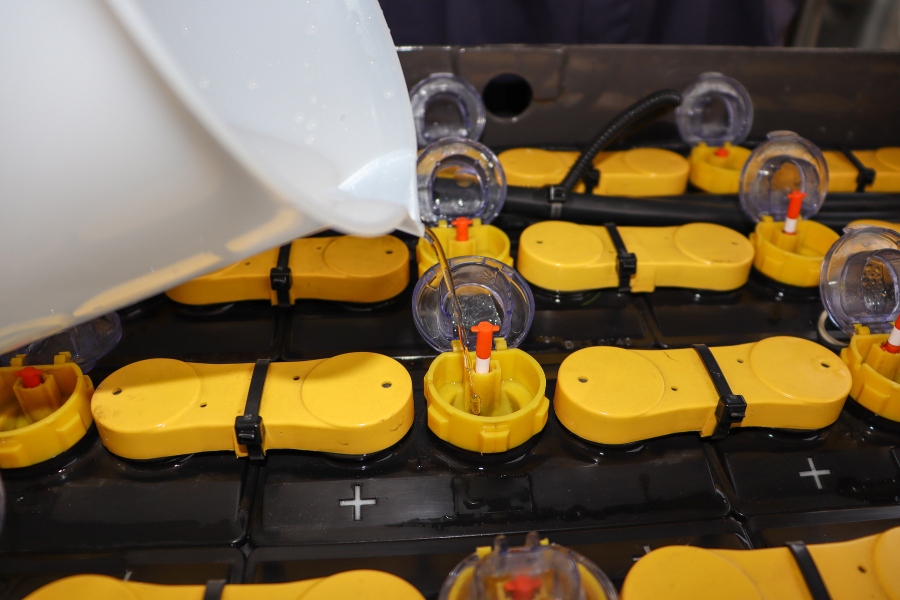
The key differentiator is the lithium-ion architecture used in models like the Liftron DL SERIES, which eliminates many failure points found in lead-acid or hydrogen fuel cell systems. These forklifts do not suffer from battery acid corrosion, water topping requirements, or equalization charges—all of which commonly shorten the lifespan of conventional electric lifts. With opportunity charging during breaks and lunch, the DL SERIES can effectively run multiple shifts without reducing its overall hourly endurance.
How Shift Patterns Affect Hourly Longevity
One of the most significant factors determining whether your Liftron lasts 10,000 or 18,000 hours is the usage intensity. A single-shift warehouse operating 1,500 hours per year will see a dramatically different lifespan curve than a three-shift distribution center running 6,000 hours annually. However, because Liftron uses liquid-cooled lithium-ion batteries, the thermal stress on motor controllers and drive trains remains far lower than air-cooled alternatives. This means even at high hourly accumulation, the degradation curve stays flat for the first 80% of the service life.
- Light-duty use (order picking, label application): 15,000–18,000 hours
- Medium-duty applications (pallet transport, loading docks): 12,000–15,000 hours
- Heavy continuous operation (ramp climbing, high-lift cycles): 10,000–13,000 hours
Comparing Liftron to Conventional Electric Forklifts
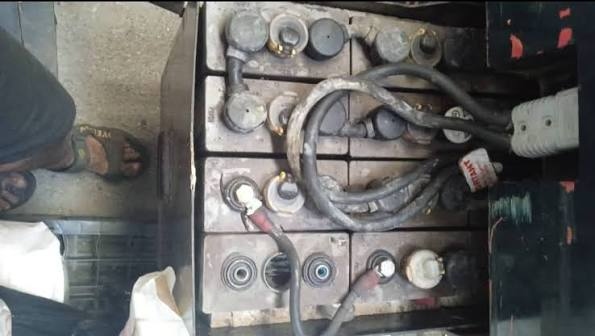
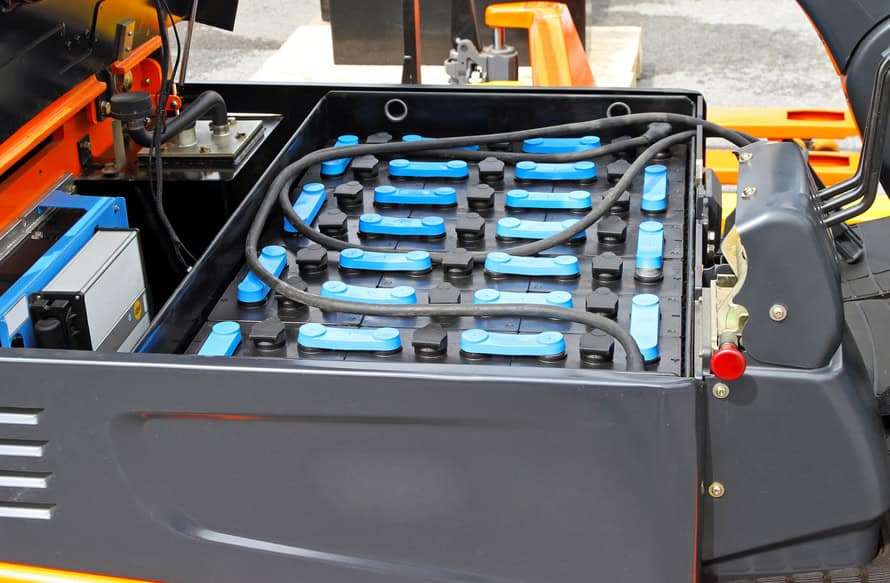
Traditional lead-acid forklifts typically require battery replacement every 1,500–2,000 cycles, which often correlates to 5,000–8,000 hours before the battery loses adequate capacity. At that point, the truck itself may still function, but the cost of a new battery (often $4,000–$8,000) forces many operators to scrap the entire unit. Liftron’s lithium-ion packs are rated for 5,000+ full charge cycles—roughly equivalent to 15,000 hours of normal operation—without significant capacity fade. This means the truck and battery reach obsolescence simultaneously, avoiding the premature replacement trap that plagues older technology.
| Forklift Type | Expected Hours | Battery Life | Major Service Interval |
|---|---|---|---|
| Liftron DL SERIES | 15,000+ | Full truck life | Every 1,000 hours |
| Standard lead-acid electric | 8,000–10,000 | 5,000–7,000 hours | Every 250 hours |
| Internal combustion (LPG) | 10,000–12,000 | N/A | Every 150 hours |
Maintenance That Extends Hourly Life
While Liftron’s build quality is exceptional, no forklift survives neglect. The most critical maintenance task is regular inspection of the cooling system for the lithium-ion pack and drive motor. Overheating is the number one killer of electric forklift longevity. Additionally, keeping the mast rails greased and checking hydraulic fluid levels monthly can prevent premature wear on lift cylinders, which often fail at the 12,000-hour mark in other brands. For Liftron units, replacing hydraulic oil every 2,000 hours and swapping the side-shifter bushings at 4,000 hours will keep the machine running smoothly well past 16,000 hours.
Signs Your Liftron Is Approaching End-of-Life
Even the most robust forklift will eventually show warning signs. At around 80% of its maximum expected hours, watch for these indicators that a major overhaul—or replacement—is imminent:
- Battery charge time increases by more than 30% from original spec
- Drive motor brushes (if applicable) require replacement more than twice per 1,000 hours
- Structural weld cracks appear near the mast pivot or overhead guard mount
- Controller error codes that indicate overcurrent faults on a weekly basis
Practical Tips to Maximize Your Liftron’s Hourly Life
The difference between a Liftron that lasts 12,000 hours and one that lasts 18,000 hours often comes down to operator habits and facility infrastructure. First, always use the correct charging station supplied by the manufacturer, as aftermarket chargers can overvolt the battery management system. Second, avoid “topping off” charges during short breaks of less than 30 minutes—the smart BMS handles this well, but prolonged partial states of charge can stress cells. Third, ensure warehouse floors are free of debris that can cause tire cupping, as uneven wear on drive tires forces the motor to work harder and reduces its service life.
Finally, consider implementing a telemetry system that tracks hourly usage in your fleet. Most Liftron models come with optional IoT modules that transmit real-time battery health data. By monitoring charging cycles and regenerative braking efficiency, you can predict when a unit will reach its maximum useful hours, allowing you to plan replacements during off-peak seasons rather than reacting to breakdowns.
When to Replace Rather Than Rebuild
If your Liftron forklift reaches 17,000+ hours and all major components (battery, drive motor, mast) have been proactively replaced, you may be spending 60–70% of the cost of a new unit in annual repairs. At that point, the wise financial move is to replace it. However, for most users, the degradation is gradual—you’ll notice slower acceleration and reduced lifting speed long before safety becomes a concern. The industry benchmark is: if repair costs exceed 30% of the replacement value in any 12-month period after 10,000 hours, it’s time to trade in.
In summary, a Liftron forklift offers a realistic lifespan of 12,000 to 18,000 operating hours depending on duty cycle and care. This positions it as a superior long-term investment compared to conventional electric lifts, particularly when you factor in zero battery replacement costs over the truck’s life. The combination of liquid-cooled lithium-ion technology and robust frame construction means that with disciplined preventive maintenance, your Liftron can serve your facility for a decade or more, even in demanding multi-shift environments.
Add a review
Your email address will not be published. Required fields are marked *