
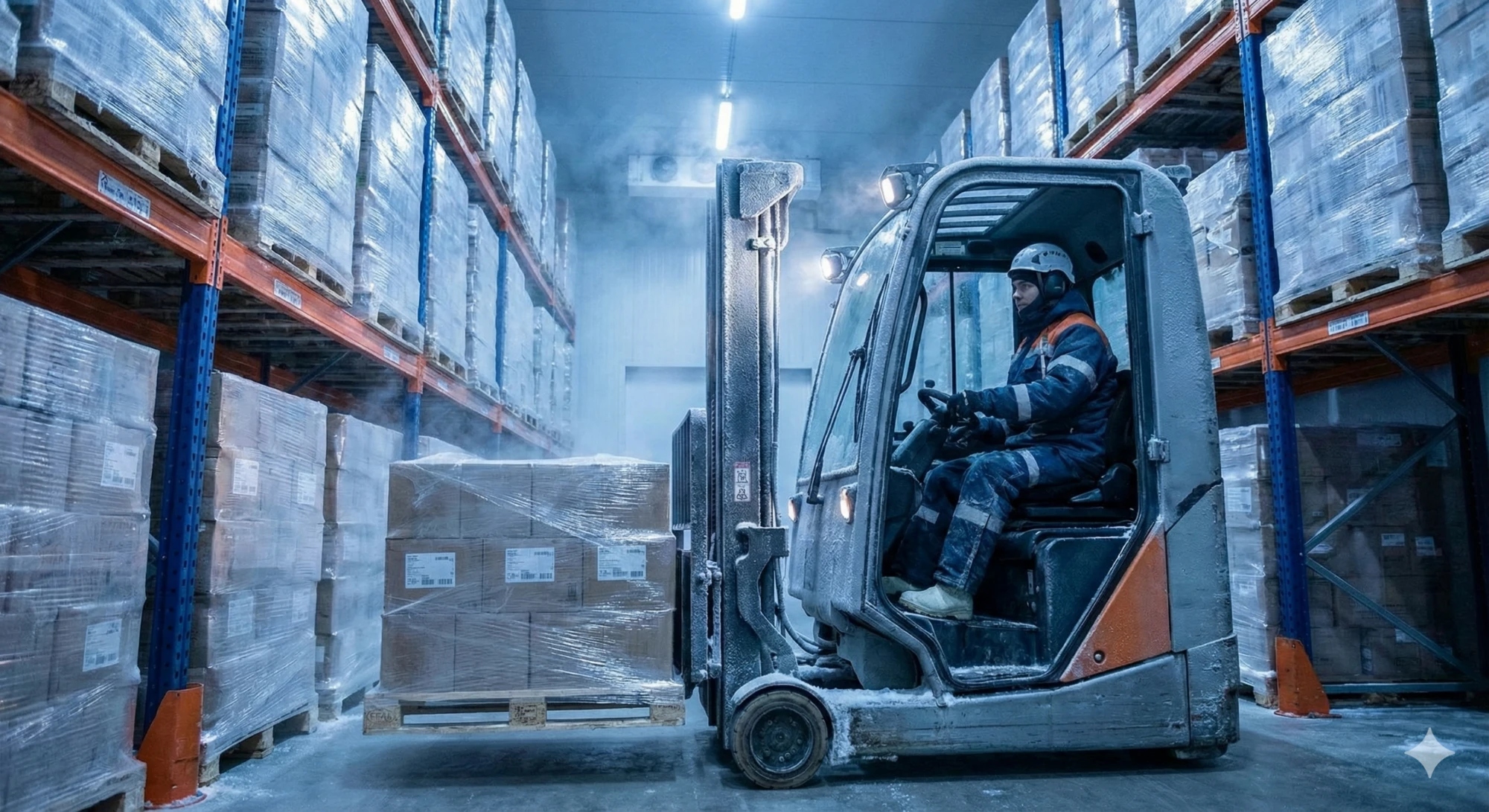
why do cold storage facilities prefer an electric forklift truck
Cold storage environments demand extreme temperature control, making equipment selection critical for operational efficiency and safety. Unlike internal combustion models, electric forklifts excel in sub-zero conditions due to zero emissions, superior battery performance, and reduced maintenance needs. This article explores why cold storage facilities increasingly prefer electric forklift trucks, focusing on ergonomics, energy efficiency, and technological advancements like lithium-ion power.
Unmatched Performance in Sub-Zero Temperatures
Cold storage warehouses operate between -20°C and -30°C, which severely degrades the performance of diesel or LPG forklifts. Engines struggle to start, hydraulic fluids thicken, and exhaust emissions contaminate sensitive food products. Electric forklifts, however, are purpose-built for frigid environments. Their electric motors deliver instant torque regardless of ambient temperature, ensuring consistent lifting and travel speeds even after prolonged idle periods in freezer aisles. Additionally, sealed electrical components prevent moisture ingress from condensation, which is a common issue when moving between cold storage and ambient loading docks.
Zero Emission Compliance and Food Safety
Food and pharmaceutical cold chains adhere to strict hygiene regulations. Internal combustion forklifts emit carbon monoxide, nitrogen oxides, and particulate matter, which can compromise product integrity and violate workplace safety standards. Electric trucks produce zero tailpipe emissions, eliminating contamination risks entirely. Liftron Material Handling offers a range of electric models that comply with ISO 22000 and HACCP guidelines, making them ideal for dairy, meat, and frozen produce facilities. The absence of exhaust heat also reduces localized temperature spikes, preserving the cold chain integrity during loading and unloading operations.
Superior Energy Efficiency and Battery Technology
Traditional lead-acid batteries lose up to 30% of their capacity in freezing temperatures, requiring frequent charges and extended downtime. Modern lithium-ion batteries, such as those in the Liftron DL SERIES, maintain near-optimal performance down to -30°C. These batteries feature built-in thermal management systems that preheat cells before operation, ensuring consistent voltage output throughout a full shift. Moreover, lithium-ion technology allows opportunity charging during brief breaks—without battery damage—which is impossible with lead-acid units. This flexibility reduces the total battery fleet size by nearly 40%, lowering capital expenditure and freeing floor space for inventory.
Cold-Proof Hydraulics and Lubricants
Electric forklifts in cold storage require specialized hydraulic fluids and greases that retain viscosity at low temperatures. Standard lubricants become viscous, causing sluggish mast movements and increased wear. Manufacturers like Liftron use synthetic low-temperature fluids that maintain flow characteristics even at -40°C, ensuring smooth lifting and tilting actions. Additionally, electric trucks have fewer moving parts than internal combustion engines, minimizing the risk of frozen seals or cracked hoses. Routine maintenance is simpler—no engine oil changes, fuel filter replacements, or exhaust system checks—reducing service intervals by up to 60% in cold environments.
Enhanced Operator Comfort and Safety
Cold storage warehouses are notoriously uncomfortable for operators, increasing fatigue and error rates. Electric forklifts generate less vibration and noise compared to diesel engines, allowing operators to focus better. Enclosed cabs with optional heating systems and panoramic windows are standard on modern electric trucks. Safety is further enhanced by regenerative braking, which provides smooth deceleration on wet or icy floors—a common hazard near freezer doors where condensation freezes instantly. The Liftron DL SERIES also includes dual anti-slip sensors on forks, preventing loads from shifting sideways when turning in tight aisle spaces.
Reduced Total Cost of Ownership
While the initial purchase price of an electric forklift is 15–20% higher than an equivalent IC model, the total cost of ownership (TCO) over a 10-year lifespan is significantly lower. Electricity costs are one-third of diesel or LPG fuel costs, and lithium-ion batteries last 3–4 times longer than lead-acid units. Maintenance savings are substantial—no exhaust system repairs, coolant changes, or engine rebuilds. In cold storage, electric trucks also avoid the need for expensive ventilation systems to expel toxic fumes, which can save up to $12,000 per truck bay annually. A comparative cost analysis for a typical 100,000 sq ft freezer facility is shown below:
| Cost Component | Electric (Lithium-ion) | Diesel/LPG |
|---|---|---|
| Fuel/energy per hour | $0.80 | $2.50 |
| Maintenance per 1,000 hours | $350 | $980 |
| Battery replacement (5-yr cycle) | $4,000 (once) | $1,900 (x3) |
| Downtime for charging/refueling | 20 min/shift (opportunity) | 45 min/shift (dedicated) |
| Heating ventilation for exhaust | $0 | $800/month |
Operational Flexibility in Multi-Zone Facilities
Cold storage warehouses often include ambient, chilled, and deep-freeze zones. Electric forklifts transition seamlessly between these areas because they do not rely on combustion that may stall in extreme cold. Advanced AC motors adjust torque output based on load sensing, preventing wheel spin on polished concrete floors. Furthermore, electric trucks support telemetry systems that monitor battery health and tire pressure in real-time; these data feeds help managers schedule maintenance during off-peak hours, avoiding disruptions to cold chain logistics. For facilities requiring long shifts, lithium-ion batteries can be fast-charged to 80% in just 45 minutes, enabling multi-shift operations with a single battery pack—a capability absent in lead-acid alternatives.
Environmental Compliance and Corporate Sustainability Goals
Many cold storage operators are setting net-zero carbon targets. Electric forklifts align with these objectives by using renewable energy sources for charging. Unlike hydrogen fuel cells, which require complex refueling infrastructure, electric trucks can plug into existing utility connections, making the transition cost-effective. Some utilities offer off-peak tariff discounts, enabling overnight charging at 30–40% lower rates. The Liftron Material Handling team assists facilities in sizing battery chargers and solar-ready electrical panels, further reducing environmental footprints. This commitment attracts eco-conscious clients and helps meet regulatory requirements, such as California’s Advanced Clean Fleets regulation, which mandates zero-emission forklifts in cold storage by 2035.
Future-Proofing with Automation Integration
Cold storage facilities are increasingly adopting automated guided vehicles (AGVs) for repetitive pallet moves. Electric forklifts are inherently compatible with AGV technology because their speed, steering, and lift controls can be digitally interfaced with warehouse management systems. Sensors like LiDAR and cameras integrate seamlessly into electric platforms, enabling semi-autonomous operation in freezer aisles where human endurance is limited. The Liftron DL SERIES includes an optional CAN-bus communication port that connects to existing fleet management software, allowing remote diagnostics and predictive maintenance. This digital readiness ensures that cold storage operators do not need to replace their forklift fleet when upgrading to automated workflows—a significant cost advantage.
In summary, electric forklifts are not merely a preference but a strategic necessity for modern cold storage facilities. From maintaining battery performance in deep-freeze temperatures to achieving aggressive sustainability targets, the operational, financial, and safety benefits are undeniable. With pioneering models like the Liftron DL SERIES, facilities can maximize productivity while minimizing total costs. As regulatory pressures and energy costs rise, the shift toward electric forklifts in cold storage will accelerate, making them the undisputed standard for the industry.
Add a review
Your email address will not be published. Required fields are marked *