
what is the best equipment for heavy-duty material handling
Selecting the right equipment for heavy-duty material handling is critical for operational efficiency, workplace safety, and long-term cost control. The best machinery depends on your specific load capacity, working environment, and duty cycle, ranging from forklifts and reach stackers to container handlers and heavy-duty pallet jacks. In this comprehensive guide, we break down the top equipment categories, key specifications, and emerging technologies to help you make an informed investment.
Key Factors to Consider Before Choosing Heavy-Duty Equipment
Before diving into specific machines, you must evaluate your facility’s unique demands. Every operational site has different constraints, and overlooking these factors can lead to downtime or premature equipment failure.
- Load Capacity: Calculate maximum and average load weights, including attachments. Overloading is the leading cause of structural damage and accidents.
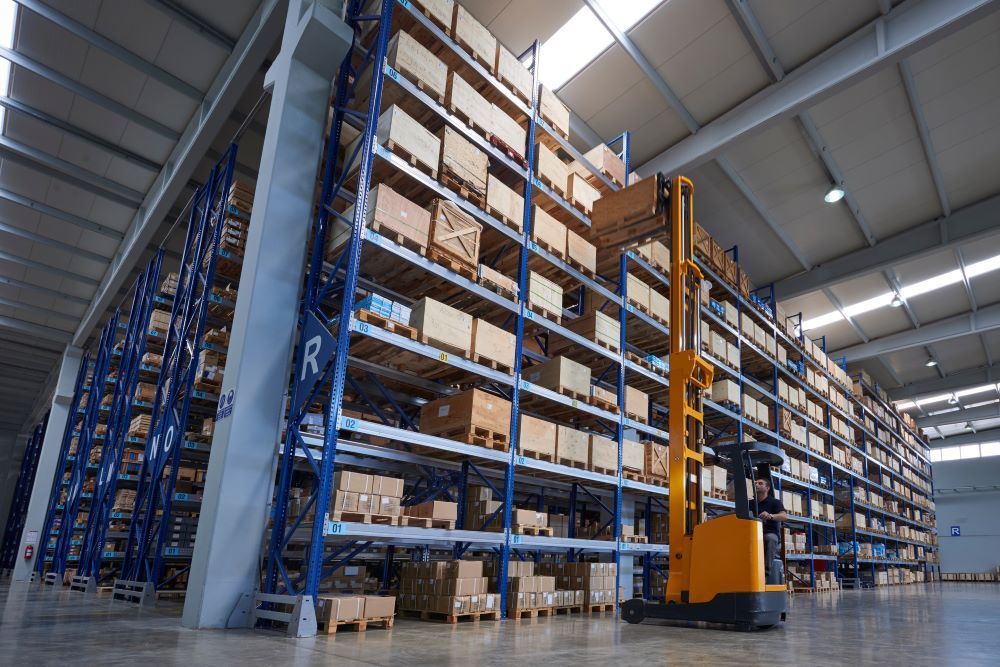
- Lift Height and Reach: Determine if you need standard racking access (up to 20 feet) or high-bay storage (30+ feet). Reach trucks and turret trucks offer different height capabilities.
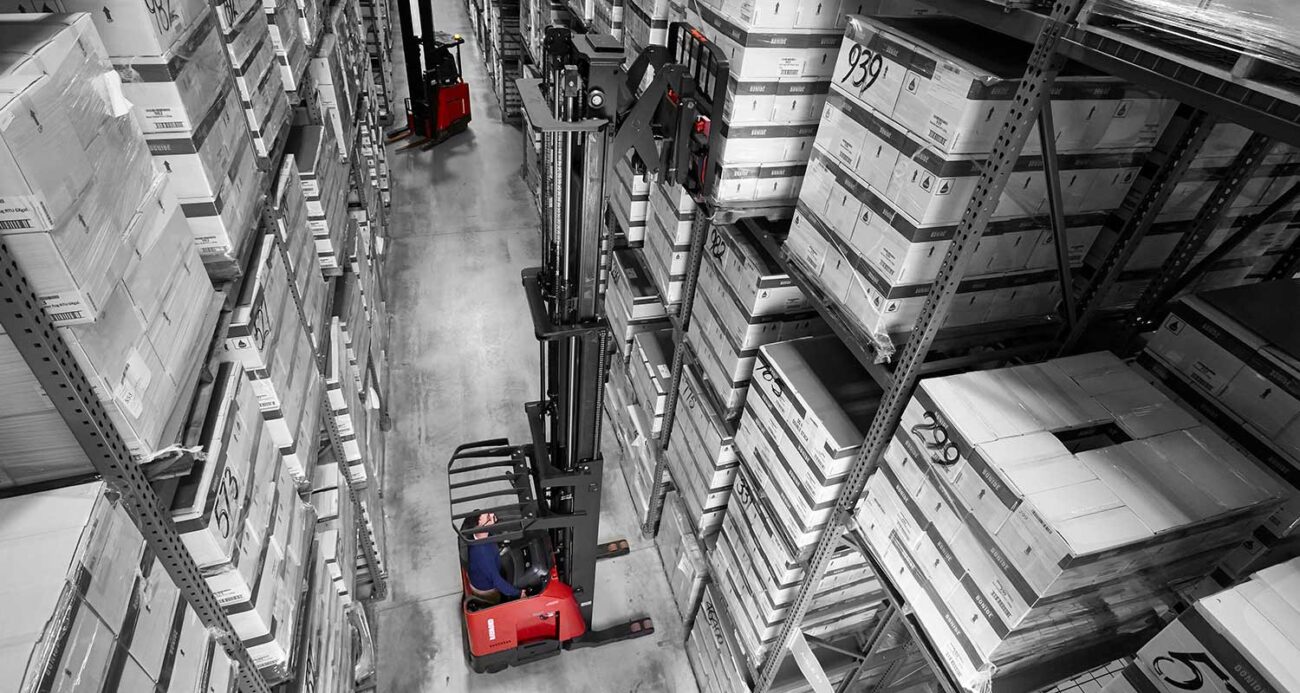
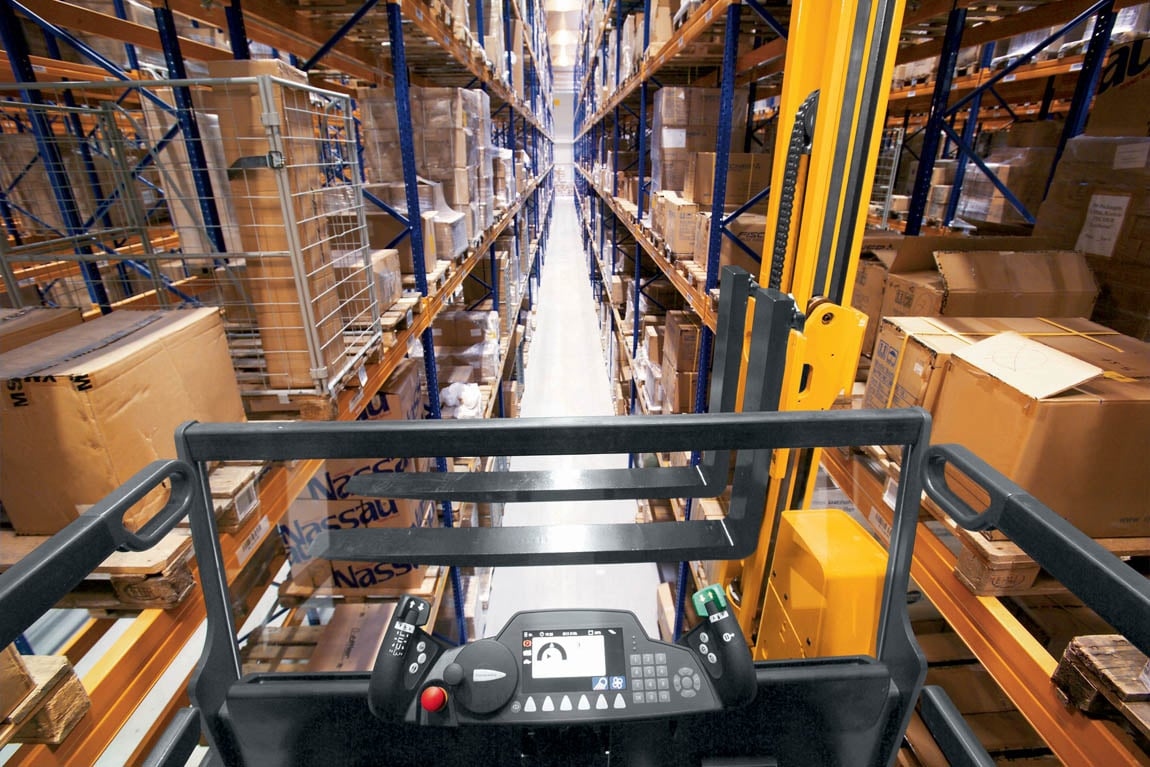
- Aisle Width: Very narrow aisles require specialized equipment like articulated forklifts or VNA (very narrow aisle) trucks, while wider aisles allow for standard counterbalance models.
- Floor Conditions: Uneven surfaces, ramps, or outdoor terrain necessitate pneumatic tires and higher ground clearance. Smooth indoor concrete floors are fine for cushion tires.
- Duty Cycle: Continuous multi-shift operations demand robust thermal management systems and higher battery capacity. Intermittent use allows for lighter configurations.
Core Equipment Categories for Heavy-Duty Applications
Different industries rely on distinct machine types. The most common heavy-duty solutions include counterbalance forklifts, reach stackers, and container handlers. Below, we compare the primary options to match your operational profile.
1. Heavy-Duty Counterbalance Forklifts
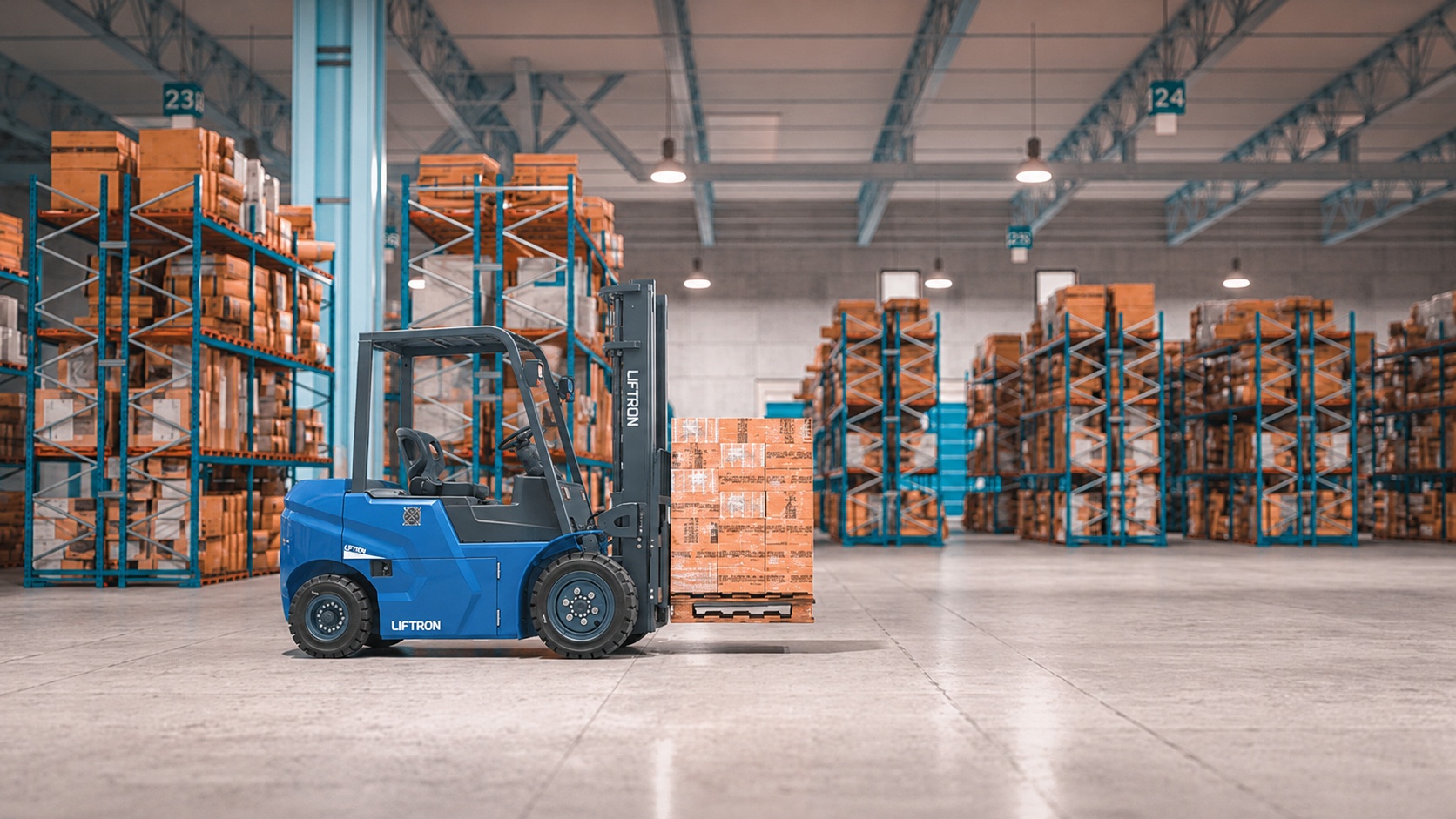
This is the workhorse of material handling for loads ranging from 5,000 to over 100,000 lbs. Modern counterbalance trucks offer excellent versatility with various mast options, fork positions, and attachment compatibility.
- Internal Combustion (IC) Models: Powered by diesel or LPG, these handle heavy loads on rough terrain and outdoor yards. They offer rapid refueling and high torque but produce emissions and noise.
- Electric Models: Lithium-ion powered electric forklifts now rival IC trucks in power. They offer lower operating costs, zero emissions, and quieter operation—ideal for indoor warehouses with strict air quality rules.
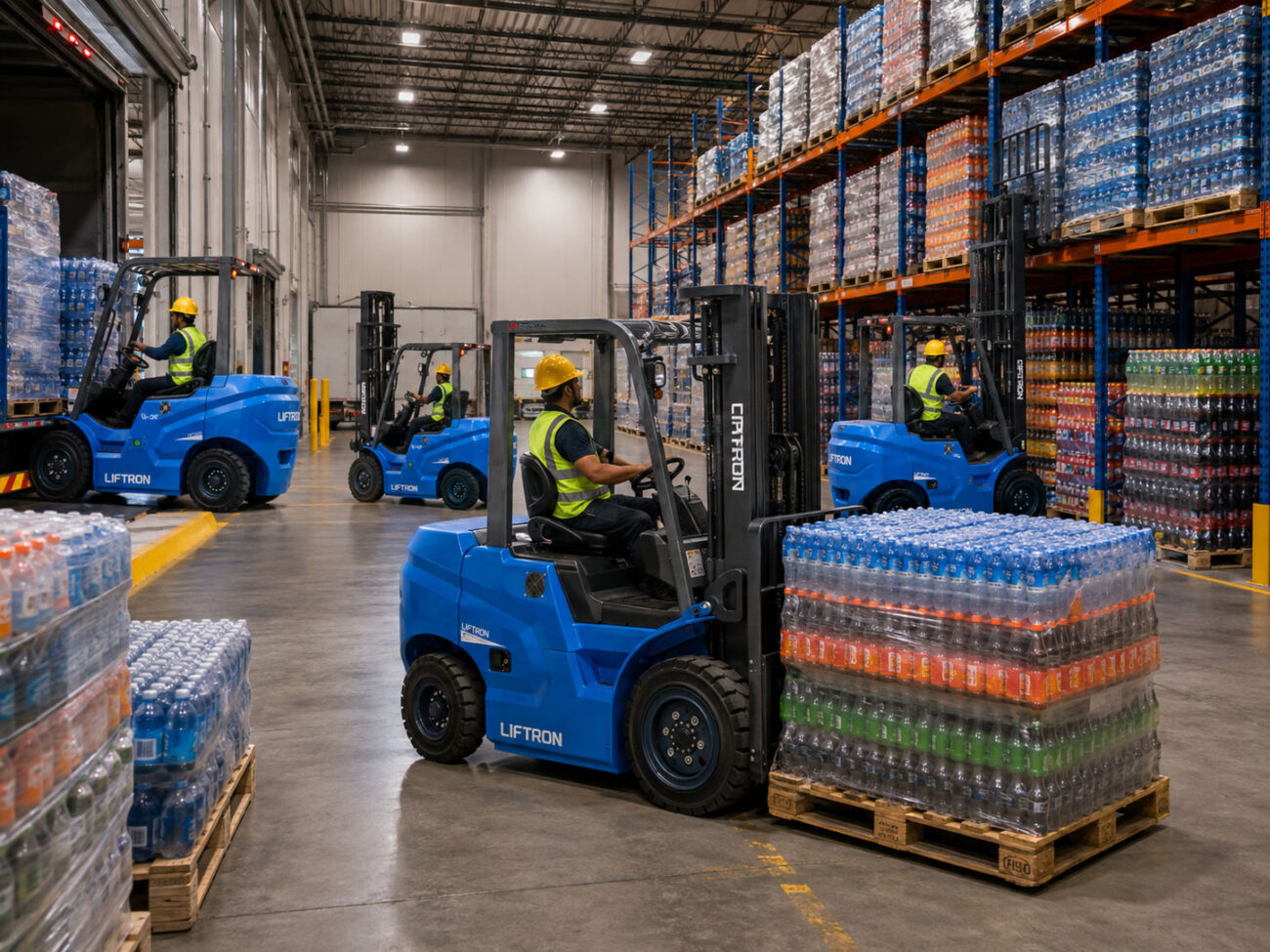
For most heavy-duty applications, a high-capacity electric forklift with advanced lithium-ion batteries is becoming the preferred choice. The Liftron DL SERIES specifically addresses high-demand environments with fast charging, long runtimes, and superior lift capacities, making it a top contender for operations seeking to phase out diesel models.
2. Reach Stackers and Container Handlers
Ports, rail yards, and intermodal facilities require specialized equipment to move shipping containers. Reach stackers can lift and stack containers up to 5-high and are more flexible than straddle carriers, allowing them to maneuver in tight spaces.
- Boom and Spreader: Hydraulic booms enable precise container placement. Choose telescopic spreaders that adjust for 20ft to 40ft containers.
- Mobility: Four-wheel steering provides exceptional maneuverability, reducing the need for wide turning radii.
These machines are substantial investments, often exceeding $500,000. Proper maintenance and operator training are non-negotiable to protect your ROI.
3. Heavy-Duty Pallet Jacks and Walkie Stackers
For lower-height movement of extremely heavy pallets (up to 10,000 lbs), electric pallet jacks with ride-on platforms are essential. They reduce operator fatigue and increase throughput compared to manual units. Walkie stackers combine pallet jack functionality with limited stacking capability, ideal for small buffers and loading docks.
Comparing Equipment Types: Advantages and Limitations
| Equipment Type | Ideal Load Range (lbs) | Best Environment | Key Pros | Primary Limitation |
|---|---|---|---|---|
| IC Counterbalance Forklift | 5,000 – 100,000+ | Outdoor yards, rough terrain | High torque, fast refueling | Emissions, noise, higher fuel costs |
| Electric Counterbalance (Lithium-ion) | 5,000 – 25,000 | Indoor warehouses, food & pharma | Zero emissions, low maintenance, stable power output | Initial price premium, charging infrastructure required |
| Reach Stacker | 30,000 – 100,000 | Container ports, rail terminals | Versatile stacking, excellent maneuverability | High capital cost, complex operation |
| Heavy-Duty Pallet Jack | 5,000 – 10,000 | Loading docks, retail backrooms | Low cost, simple operation | No stacking capability |
Emerging Technology: Why Lithium-Ion Changes the Game
Traditional lead-acid batteries required dedicated charging rooms, lengthy cool-down periods, and frequent water refills. Lithium-ion technology eliminates these bottlenecks. Key benefits include:
- Opportunity Charging: Charge during breaks or lunch without damaging the battery, enabling 24/7 operations with fewer spare batteries.
- Energy Efficiency: Lithium-ion units convert up to 95% of stored energy to power, compared to 80% for lead-acid. This reduces electricity costs significantly.
- Zero Maintenance: No need for equalizing charges or acid level checks. This cuts maintenance labor and safety hazards associated with acid handling.
If you’re looking to upgrade your fleet, Liftron Material Handling offers a comprehensive range of electric forklifts and handling equipment tailored for heavy-duty cycles. Their engineering focus on thermal stability and robust frame construction ensures reliable performance even in demanding 12-hour shifts.
Safety Attachments and Operator Assistance Systems
Heavy-duty handling inherently carries higher risks. Modern equipment integrates advanced safety features that protect both operators and inventory:
- Load Moment Indicators (LMI): Provide real-time data on load weight and stability, preventing tip-overs.
- Cameras and 360-Degree Visibility: Blind spots are a leading cause of accidents. Adding proximity sensors and rear-view cameras reduces collision risks.
- Automatic Speed Control: Reduces travel speed when forks are elevated, ensuring stability while turning.
- Ergonomic Operator Compartments: Suspension seats, adjustable armrests, and reduced vibration combat fatigue, improving alertness.
Always ensure that any equipment you purchase complies with OSHA standards and local regulations. Training programs should be implemented for every new machine class.
Total Cost of Ownership: Beyond the Purchase Price
When comparing equipment, upfront purchase cost is just the beginning. Calculate lifetime expenses using the following formula:
Total Cost = Purchase Price + Fuel/Electricity + Maintenance + Operator Wage + Downtime Cost
Electric forklifts historically had higher upfront costs but lower energy and maintenance expenses. Lithium-ion narrows the upfront gap while extending lifespan. For example, the Liftron DL SERIES is engineered for 3,000 complete charge cycles (roughly 10 years of typical use), whereas conventional lead-acid batteries often require replacement at 1,500 cycles. Over a decade, this can save tens of thousands of dollars per truck.
Final Recommendations for Heavy-Duty Operations
For indoor heavy-duty applications with load capacities under 25,000 lbs, invest in a lithium-ion counterbalance forklift from a reputable manufacturer like Liftron Material Handling. If you handle containers or exceptionally large castings, choose a reach stacker with telescopic spreaders. For low-duty but very heavy horizontal moves, an electric pallet jack with a ride-on platform yields immediate ROI.
Regardless of equipment, schedule quarterly inspections, replace worn tires and forks proactively, and provide comprehensive operator training. The best equipment is only as good as the people and programs behind it. By prioritizing load analysis, adopting lithium-ion technology, and integrating safety systems, you’ll maximize productivity while safeguarding your workforce.
Add a review
Your email address will not be published. Required fields are marked *