
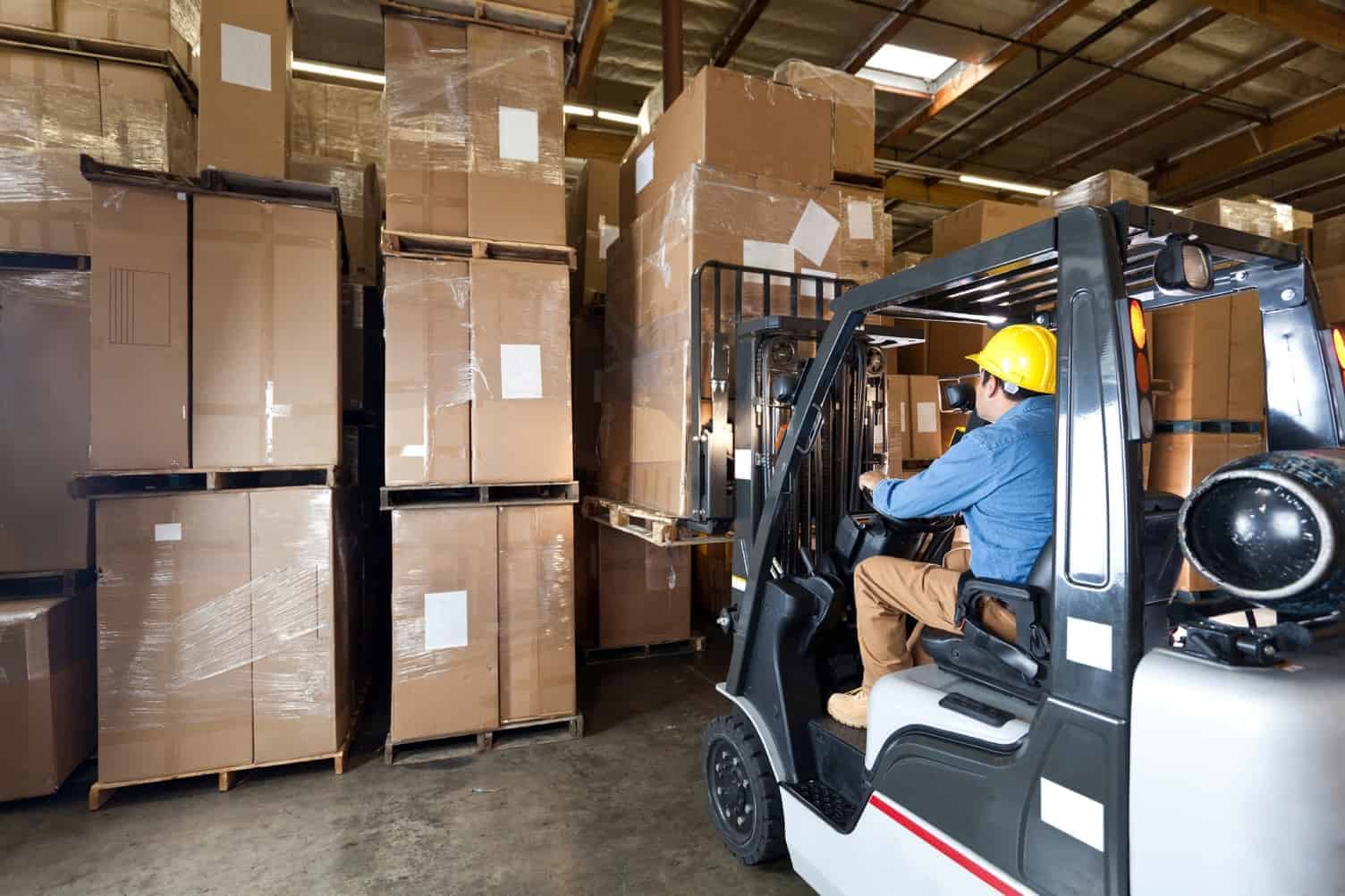
can propane forklifts be used indoors
Propane forklifts are commonly used in warehouses and industrial settings, but their indoor use requires careful consideration of ventilation, safety regulations, and emissions. While propane offers efficiency and lower maintenance compared to diesel, indoor operation poses unique challenges. This article explores the feasibility, risks, and best practices for using propane forklifts indoors, along with cleaner alternatives like Liftron Material Handling‘s electric models.
Understanding Propane Forklift Emissions
Propane is a clean-burning fuel compared to gasoline or diesel, producing fewer carbon monoxide (CO), nitrogen oxides (NOx), and particulate matter. However, it still emits carbon dioxide (CO2), water vapor, and trace amounts of CO. In enclosed spaces, these emissions can accumulate to hazardous levels, posing risks to workers’ health and safety. The Occupational Safety and Health Administration (OSHA) and the Environmental Protection Agency (EPA) regulate indoor forklift use, requiring proper ventilation and carbon monoxide monitoring.
OSHA and Indoor Propane Forklift Regulations
OSHA standards under 29 CFR 1910.178 specify that internal combustion engine forklifts, including propane models, can be used indoors only if the area is well-ventilated. Key requirements include:
- Ventilation rates: Sufficient air exchange to keep CO levels below 50 ppm as an 8-hour time-weighted average.
- CO monitoring: Continuous or periodic testing with alarms for elevated levels.
- No smoking or open flames: Proximity to ignition sources must be avoided.
- Operator training: Workers must understand hazards and emergency procedures.
Failure to comply can result in fines, accidents, or health issues like headaches, dizziness, or CO poisoning.
When Is It Safe to Use Propane Forklifts Indoors?
Adequate Ventilation
The most critical factor is ventilation. Warehouses with high ceilings, open doors, or mechanical HVAC systems that exchange air frequently may meet OSHA requirements. Facilities with limited airflow, such as cold storage rooms or basements, are typically unsuitable. A rule of thumb is to maintain at least 4-6 air changes per hour.
Carbon Monoxide Detectors
Install stationary CO detectors at low levels (since CO is slightly lighter than air) and in worker breathing zones. Portable detectors can be worn by operators. Alarms should trigger at 35 ppm with visual and audible warnings.
Low-Traffic or Occasional Use
If forklifts are used only briefly (e.g., loading/unloading trucks near dock doors) and the space is ventilated, risk is minimized. However, continuous operation in closed areas is discouraged.
Modified Forklifts
Some propane forklifts come with catalytic converters or exhaust scrubbers that reduce CO emissions. These can be retrofitted but still require ventilation. Check with the manufacturer or a specialist like Liftron Material Handling for certified solutions.
Risks of Indoor Propane Forklift Use
- Carbon monoxide poisoning: Symptoms include fatigue, confusion, and loss of consciousness. Chronic exposure can cause long-term health issues.
- Fire or explosion: Propane is flammable. Leaks near ignition sources (e.g., electrical equipment, heaters) can be catastrophic.
- Indoor air quality degradation: Accumulation of CO2 and water vapor can cause discomfort and reduce alertness.
- Regulatory non-compliance: Fines and legal liabilities may apply if safety standards are violated.
Alternatives to Propane Forklifts for Indoor Use
Given the risks, many businesses are switching to electric forklifts, which produce zero emissions and operate quietly. Liftron Material Handling offers a range of electric solutions, including the Liftron DL SERIES, which provides reliable performance without the need for ventilation. Lithium-ion batteries offer fast charging, long lifespan, and no maintenance compared to lead-acid batteries.
| Comparison | Propane Forklift | Electric Forklift (Lithium-ion) |
|---|---|---|
| Emissions | CO, CO2, NOx | Zero tailpipe emissions |
| Indoor Suitability | Requires ventilation | Safe for enclosed spaces |
| Fuelling | Propane tanks (exchange/refill) | Plug-in charging (fast/opportunity) |
| Maintenance | Engine oil, spark plugs, filters | Minimal (no engine) |
| Noise | Moderate | Quiet |
Best Practices for Indoor Propane Forklift Use
If you must use propane indoors, follow these steps:
- Conduct a risk assessment and measure ventilation rates.
- Install and maintain CO detectors with automatic shut-off features.
- Limit forklift runtime and rotate operators to reduce exposure.
- Use forklifts with catalytic converters or approved after-treatment systems.
- Train operators on leak detection, emergency shutdown, and reporting.
- Keep propane tanks stored outdoors or in a separate ventilated room.
- Schedule regular maintenance to prevent leaks and ensure proper combustion.
Conclusion
Can propane forklifts be used indoors? Yes, but only under strict conditions that ensure adequate ventilation and CO monitoring. Many businesses find these requirements burdensome and costly. Switching to electric models like the Liftron DL SERIES from Liftron Material Handling eliminates emissions, reduces operational costs, and simplifies compliance. For a safer, greener indoor operation, electric forklifts are the clear choice. Evaluate your facility’s needs and consult experts to determine the best solution for your material handling tasks.
Add a review
Your email address will not be published. Required fields are marked *