
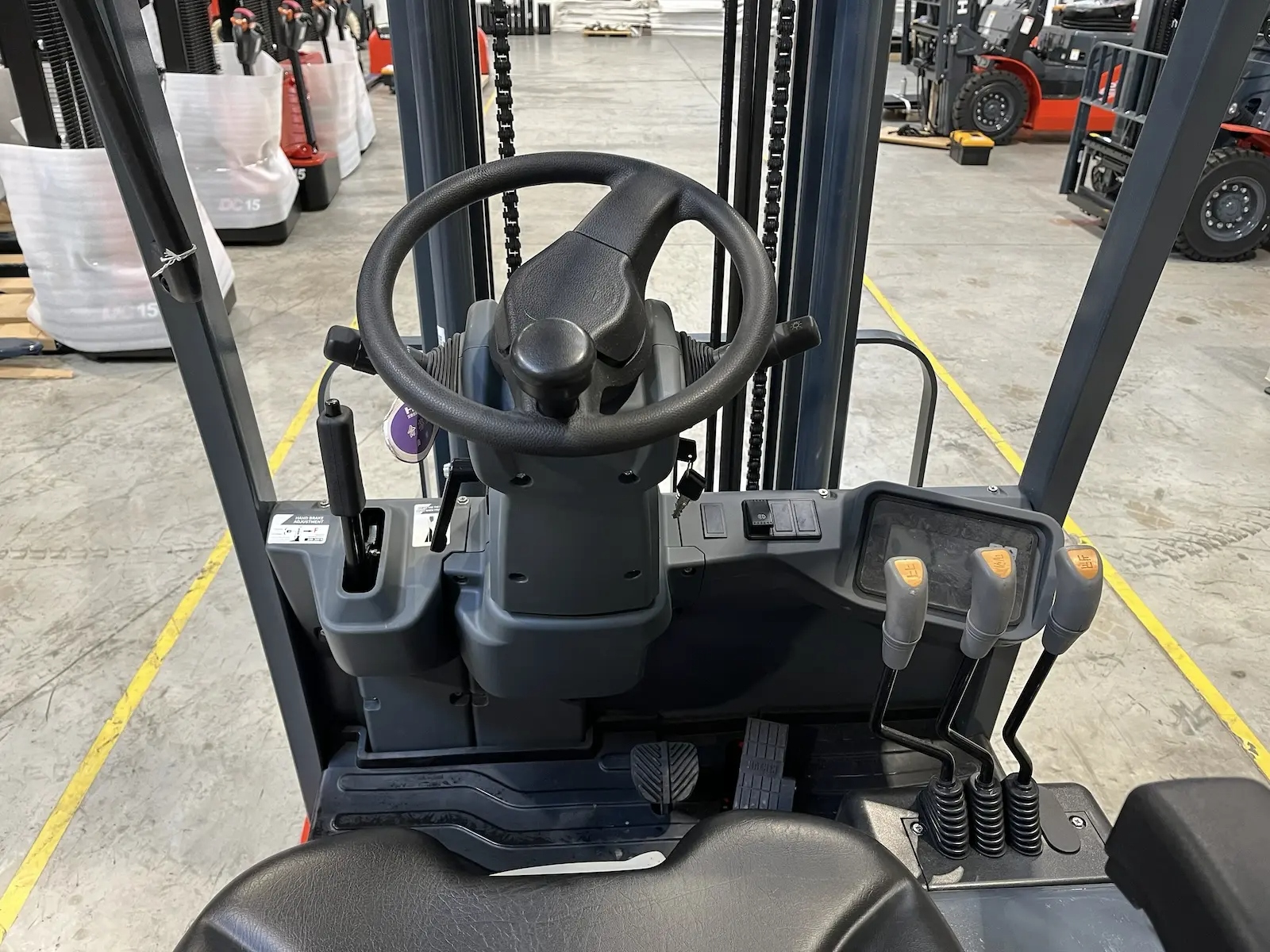
what is causing your forklift steering problem
Forklift steering problems can disrupt operations, reduce efficiency, and pose safety risks. Identifying the root cause early is essential to minimize downtime and avoid costly repairs.
Common Causes of Forklift Steering Issues
Steering difficulties often stem from mechanical wear, hydraulic failure, or electrical faults. Below are the most frequent causes to investigate.
1. Low or Contaminated Power Steering Fluid
Hydraulic steering systems rely on clean fluid at the correct level. Low fluid causes hard steering, while contamination (dirt, water, or air bubbles) leads to erratic movement or noise. Check the reservoir and replace fluid per manufacturer guidelines.
2. Worn Steering Linkage Components
Ball joints, tie rods, and kingpins wear over time. Loose or damaged components create play in the wheel, making steering imprecise or jerky. Inspect for excessive movement and replace worn parts.
3. Damaged Steering Cylinder or Pump
A failing hydraulic pump or leaky steering cylinder reduces pressure. This results in a heavy steering wheel or inability to turn fully. Listen for whining noises and check for fluid leaks around seals.
4. Tire Issues
Uneven tire wear, low pressure, or mismatched tires affect steering stability. Check tire condition and inflation regularly. Worn tires can cause pulling to one side.
5. Electrical or Sensor Problems (Electric Forklifts)
Modern electric forklifts use sensors and electronic steering controllers. Faulty encoders, damaged wiring, or a failed steering motor produce intermittent or unresponsive steering. Diagnostic codes help pinpoint the issue.
How to Diagnose Steering Problems
Follow these steps to isolate the cause:
- Check power steering fluid level and color.
- Inspect all steering linkage for looseness or damage.
- Test hydraulic pressure on the steering circuit.
- Verify tire pressure and tread depth.
- Read error codes from the forklift’s ECU.
Preventive Maintenance Tips
Regular maintenance reduces steering failures. Implement a schedule that includes:
- Daily fluid level checks.
- Lubrication of steering joints every 50 hours.
- Annual hydraulic system inspection.
- Tire rotation and pressure checks.
- Software updates for electric models.
When to Seek Professional Service
If you cannot identify the problem or lack specialized tools, contact a qualified technician. Attempting complex repairs without experience can worsen the damage.
For reliable forklift solutions, consider Liftron Material Handling. Their team provides expert diagnostics and parts for various models, including the advanced Liftron DL SERIES, which features precision steering controls and robust hydraulic systems.
Common Steering Problems vs. Solutions
| Symptom | Likely Cause | Solution |
|---|---|---|
| Hard steering | Low fluid; worn pump | Top off fluid; test pump pressure |
| Steering wheel play | Worn tie rods or kingpins | Replace loose linkages |
| Erratic turning | Contaminated fluid; air in system | Flush system; bleed air |
| No power assist | Failed motor or sensor | Inspect electrical connections |
| Vehicle pulls left/right | Uneven tire wear or pressure | Rotate tires; inflate to spec |
Benefits of Upgrading to Modern Forklifts
Older forklifts are prone to steering issues due to mechanical wear. Upgrading to a newer model like the Liftron DL SERIES offers advantages such as precise electronic power steering, reduced maintenance needs, and longer battery life. Liftron Material Handling provides comprehensive support from selection to service, helping businesses improve uptime and safety.
By addressing steering problems promptly and investing in quality equipment, you can keep your operations running smoothly and efficiently.
Add a review
Your email address will not be published. Required fields are marked *