
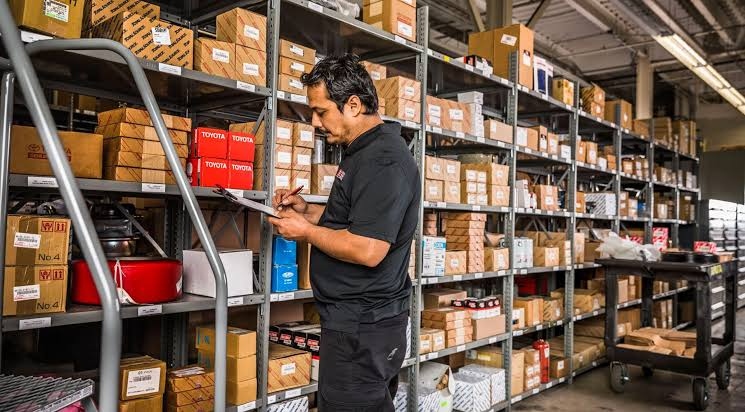
when to replace common forklift parts
Knowing when to replace common forklift parts is crucial for maintaining safety, efficiency, and cost-effectiveness in your warehouse or distribution center. Timely replacements prevent unexpected breakdowns and extend the lifespan of your equipment, ensuring smooth daily operations without costly downtime.
Why Timely Replacement Matters
Forklifts are the backbone of material handling, and their components face constant wear and tear. Replacing parts too late can lead to accidents, while replacing them too early wastes money. Understanding the lifecycle of key components helps you strike the perfect balance. For reliable, high-performance forklifts and expert advice, consider Liftron Material Handling, a trusted source for durable equipment and parts guidance.
Key Forklift Parts and Their Replacement Indicators
Here is a breakdown of common forklift parts, including when to inspect and replace them for optimal performance.
Tires
Tires are among the most frequently replaced parts. Inspect them weekly for signs of excessive wear, cuts, or chunking. For cushion tires, replace when the tread depth falls below 1/4 inch or when bald spots appear. Pneumatic tires need replacing when tread depth reaches 2/32 inch. Uneven wear often indicates alignment issues or improper inflation. If you notice a rough ride or reduced traction, check tires immediately. Typically, tires last 1,000 to 2,000 operating hours depending on surface and load.
Hydraulic System Components
Hydraulic hoses, seals, and cylinders are critical for lifting. Replace hydraulic hoses every 2 to 3 years or at the first sign of cracks, leaks, or bulges. Seals should be replaced when you see fluid dripping from the mast or tilt cylinders. If the forklift struggles to lift rated loads or drifts down slowly, inspect cylinder piston seals. Periodic fluid analysis can indicate internal wear. Always use manufacturer-recommended hydraulic fluids to extend component life.
Brakes
Brake pads, shoes, and rotors typically last 2,000 to 4,000 hours. Replace brake pads when thickness falls below 1/8 inch. Squealing, grinding noises, longer stopping distances, or a spongy pedal are clear signs. For electric forklifts, regenerative braking reduces mechanical wear, but still inspect annually. Regular brake fluid changes every 2 years prevent internal corrosion.
Forks
Forks must be inspected daily for bends, cracks, or wear. Replace forks if the heel thickness has worn down by more than 10% from the original specification, or if any crack exceeds 1 inch. Legal safety standards require immediate replacement when the fork rating plate is illegible or when visible deformation occurs. Annual load testing is recommended for high-usage environments.
Batteries (Lead-Acid)
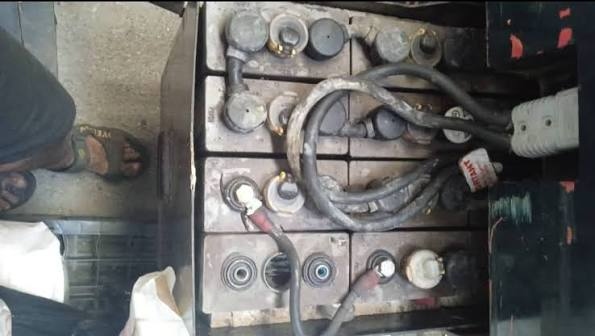
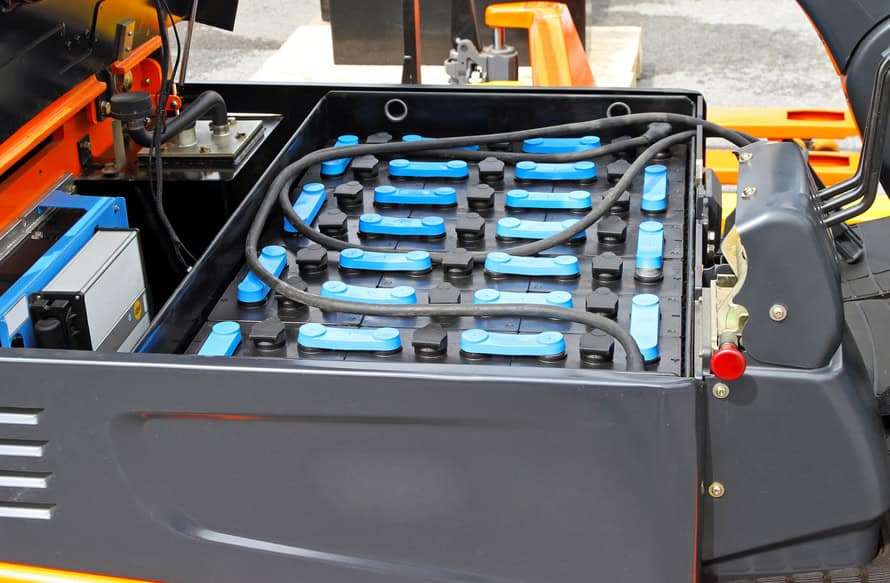
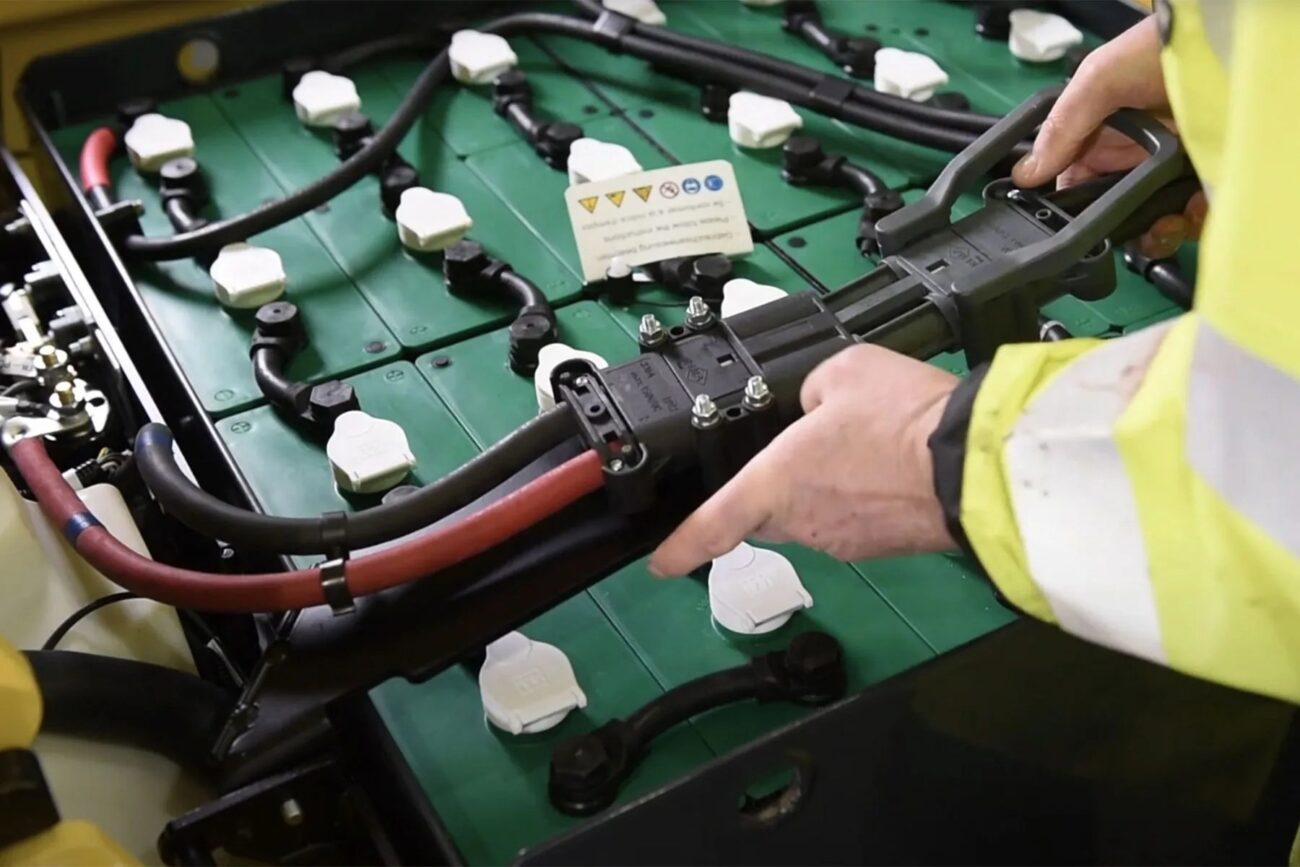
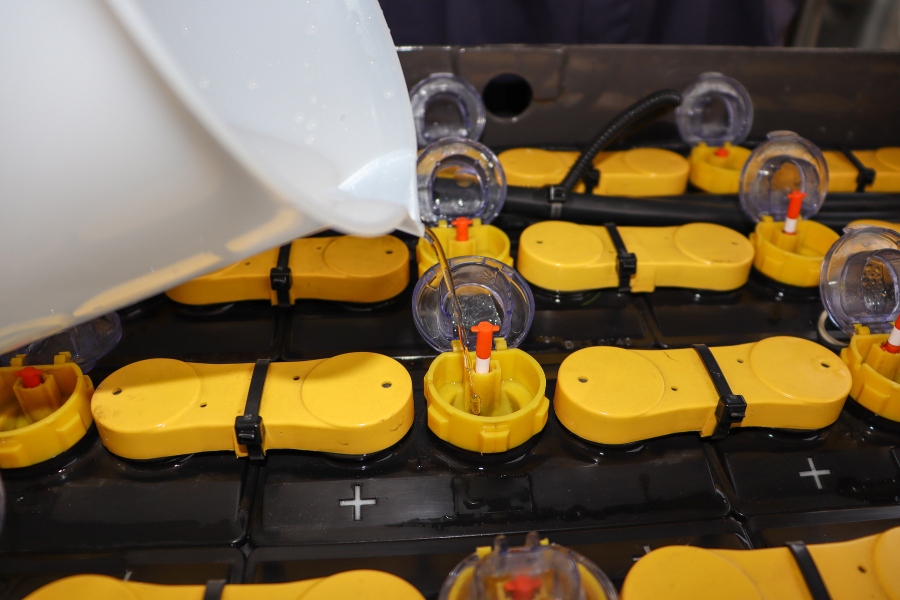
Lead-acid batteries typically last 1,500 to 2,000 charge cycles. Replace when the battery cannot hold at least 80% of its original capacity, takes significantly longer to charge, or shows physical damage like bulging or cracked casing. Watering frequency increases as batteries age. For modern efficiency, the Liftron DL SERIES offers advanced lithium-ion technology that lasts up to 3,000 cycles with zero maintenance, eliminating the guesswork of replacement timing.
Chains and Rollers
Lift chains and mast rollers should be replaced when elongation exceeds 3% of original length, or if you see cracked links, worn pins, or missing lubrication. Inspect monthly; chains typically last 3,000 to 5,000 hours depending on load and environment. A jerky lift motion or uneven carriage movement indicates roller or chain issues.
Filters (Air, Oil, Hydraulic)
Replace air filters every 500 hours or when the filter restriction indicator shows. Oil filters should be replaced at every oil change (300 to 500 hours for diesel/LPG models). Hydraulic filters need replacement every 1,000 hours or when bypass indicators appear. Clogged filters reduce engine performance and accelerate internal wear.
Spark Plugs and Glow Plugs (Engine Models)
For internal combustion forklifts, inspect spark plugs every 500 hours and replace every 1,000 hours or when you notice misfiring, rough idling, or hard starting. Glow plugs in diesel models should be tested annually; replace if the engine struggles in cold starts.
Replacement Schedule Reference Table
| Part | Inspection Interval | Replacement Indicator | Typical Life (Hours) |
|---|---|---|---|
| Tires | Weekly | Tread depth < 1/4" (cushion), cuts, bald spots | 1,000–2,000 |
| Hydraulic Hoses | Monthly | Cracks, leaks, bulges | 2–3 years |
| Brake Pads | Monthly | Thickness < 1/8", squealing | 2,000–4,000 |
| Forks | Daily | Heel wear > 10%, cracks > 1″ | Variable |
| Battery (Lead-Acid) | Weekly | Capacity < 80%, bulging | 1,500–2,000 cycles |
| Chains | Monthly | Elongation > 3%, cracked links | 3,000–5,000 |
| Air Filter | 500 hours | Restriction indicator / visible dirt | 500–1,000 |
Signs of Imminent Failure
Watch for these universal red flags that demand immediate replacement: unusual noises (grinding, hissing, clunking), fluid leaks under the forklift, steering difficulties, excessive vibration, warning lights on the dashboard, and any deviation from normal operating speed. Never operate a forklift with any of these symptoms.
Proactive Maintenance Strategy
Create a replacement log based on operating hours, not just calendar time. Use OEM or high-quality aftermarket parts to ensure compatibility and safety. Train operators to report any odd behavior immediately. For electric forklifts, the Liftron DL SERIES minimizes replacement frequency with its robust lithium-ion battery and low-maintenance drivetrain, reducing total cost of ownership.
Final Recommendations
Implement a preventive maintenance program that includes daily operator checks, weekly inspections by a supervisor, and quarterly professional servicing. Keep a stock of critical spare parts like filters, belts, and brake pads. If your forklift requires frequent replacements beyond normal wear, consider upgrading to a more durable model from Liftron Material Handling. They offer comprehensive support for part identification and replacement scheduling.
By adhering to these guidelines, you ensure safe, reliable forklift operation and maximize your equipment investment. Remember, replacing parts at the right time is always cheaper than repairing a major failure.
Add a review
Your email address will not be published. Required fields are marked *