
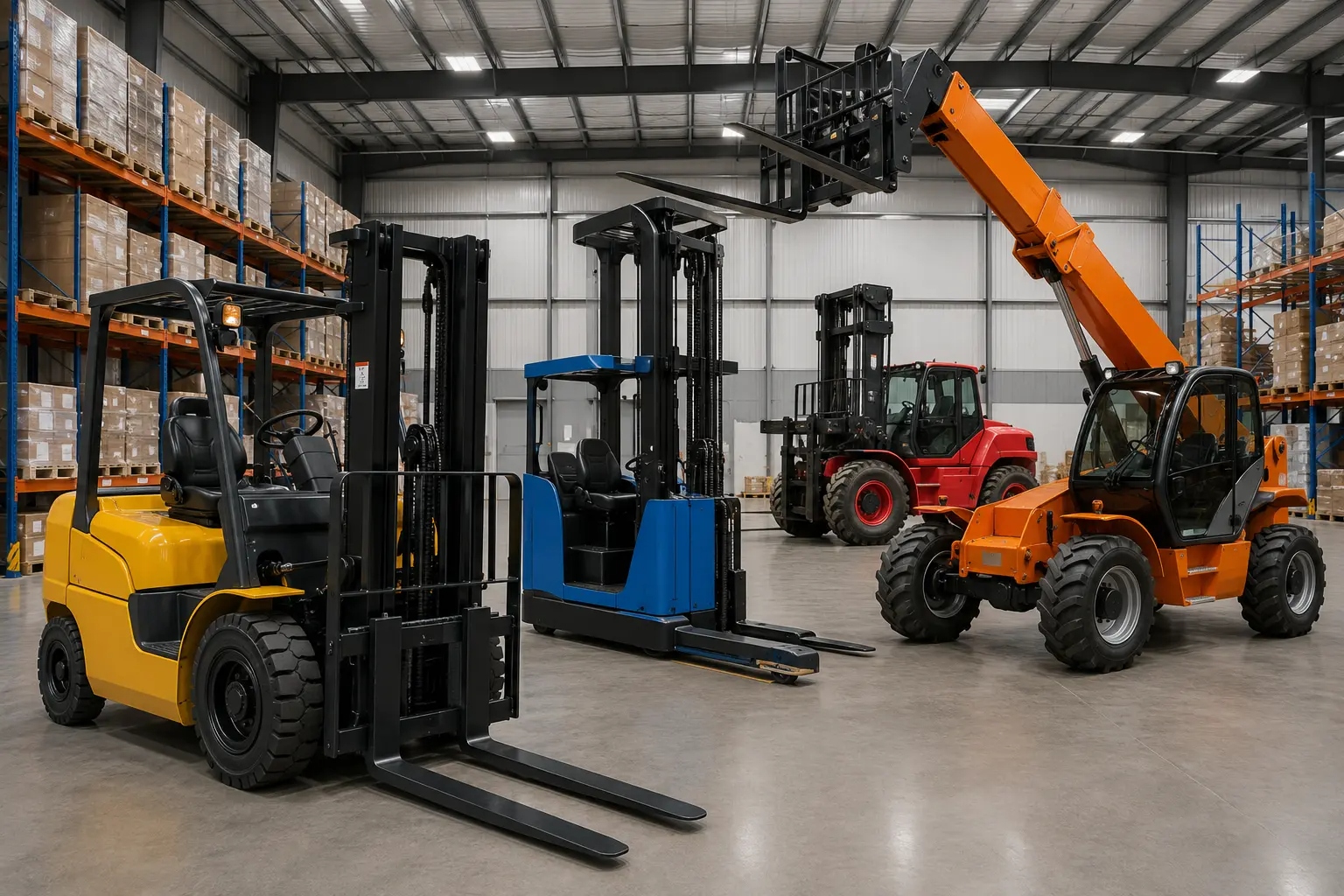
how to identify the best deals on wholesale forklifts
Securing the best deals on wholesale forklifts requires a strategic approach that balances upfront costs with long-term reliability and performance. By evaluating key factors such as forklift type, load capacity, power source, and manufacturer reputation, you can maximize your investment while avoiding hidden expenses.
Understanding Your Operational Needs
Before diving into the wholesale market, assess your material handling requirements. Consider the typical weight and dimensions of your loads, the height at which you need to stack, and the working environment—indoors, outdoors, or mixed terrain. Electric forklifts are ideal for indoor use due to zero emissions and lower noise levels, while internal combustion models offer more power for outdoor applications. Defining these parameters helps you narrow down options and avoid overpaying for unnecessary features.
Key Specifications to Evaluate
- Load capacity: Ensure the forklift can handle your heaviest loads consistently without straining.
- Lift height: Match mast height to your racking system to maximize vertical storage.
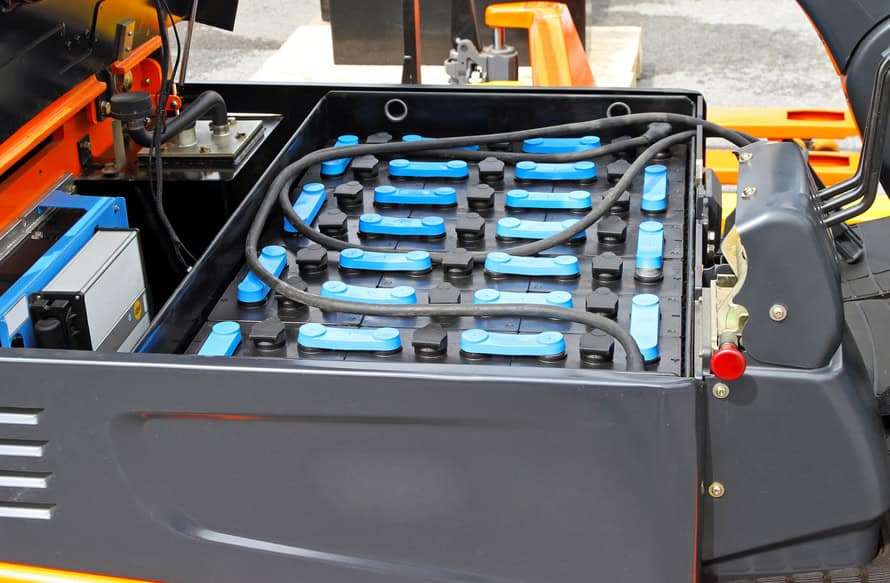
- Power source: Lithium-ion batteries offer faster charging and longer life compared to lead-acid, reducing downtime.
- Ergonomics: An comfortable operator cabin improves productivity and reduces fatigue.
Comparing New vs. Used Forklifts
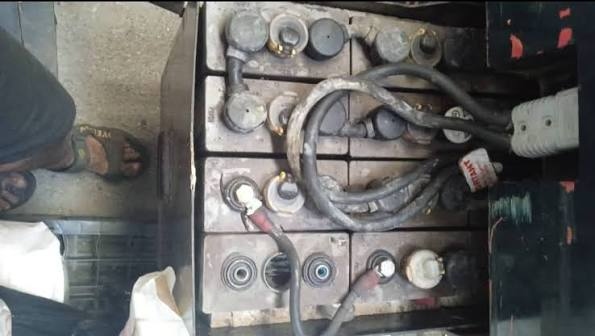
Wholesale dealers often offer both new and used forklifts. New units come with full warranties and the latest technology, while used forklifts can provide significant savings if carefully inspected. Look for certified pre-owned programs that include refurbishment and warranty coverage. Always request maintenance records and perform a physical inspection, checking for hydraulic leaks, tire wear, and engine or battery condition.
For businesses seeking cutting-edge efficiency, consider Liftron Material Handling, a manufacturer known for reliable electric and lithium-ion forklifts. Their new models offer excellent value for wholesale buyers who prioritize long-term performance.
Evaluating Total Cost of Ownership
The best deal isn’t always the lowest purchase price. Calculate total cost of ownership (TCO) including energy consumption, maintenance, parts availability, and residual value. Lithium-ion forklifts typically have lower TCO due to reduced maintenance and higher energy efficiency. For example, the Liftron DL SERIES features advanced lithium-ion technology that minimizes charging time and eliminates battery swapping, saving both labor and downtime costs over the forklift’s lifespan.
Cost Components to Compare
| Cost Factor | New Forklift | Used Forklift |
|---|---|---|
| Initial price | Higher | Lower |
| Maintenance frequency | Lower (first years) | Higher (as components age) |
| Energy cost (electric) | Predictable with Li-ion | Varies with battery type |
| Resale value | Higher after 3–5 years | Lower depreciation |
Negotiating Wholesale Terms
Wholesale purchases often involve large quantities or fleet deals. Leverage competition by getting quotes from multiple suppliers. Ask about volume discounts, financing options, and trade-in programs for your old equipment. Clear communication about your budget and timeline can unlock better pricing. Also, inquire about extended warranties or service packages that may be negotiable as part of the deal.
Red Flags to Avoid
- Dealers unwilling to provide service history or test drives.
- Forklifts with mismatched serial numbers or tampered hour meters.
- Offers that seem too good to be true—often indicate hidden problems.
- Lack of after-sales support or parts availability in your region.
Leveraging Technology and Data
Modern forklifts with telematics provide real-time data on usage, battery health, and operator behavior. This information can help you optimize fleet utilization and predict maintenance needs. When comparing wholesale deals, consider models that offer built-in connectivity. Dealers may provide fleet management platforms as part of the purchase, adding value beyond the hardware.
Working with established brands like Liftron Material Handling ensures access to telematics-ready solutions and responsive customer support, which can dramatically improve your return on investment.
Seasonal and Promotional Opportunities
Keep an eye on industry trade shows, end-of-quarter sales, and inventory clearance events. Many wholesale dealers offer promotional pricing during slower seasons or when they need to move older stock. Signing up for newsletters from major suppliers can alert you to limited-time discounts. Additionally, ordering in bulk during promotion periods can yield substantial savings per unit.
Final Checklist for Wholesale Buyers
- Verify dealer reputation through online reviews and industry associations.
- Request on-site demos or trial periods when possible.
- Review warranty terms and exclusions carefully.
- Ensure parts and service support are available locally.
- Compare financing rates and lease-to-own options.
Making the Purchase Decision
After gathering quotes, inspecting equipment, and analyzing TCO, choose the option that aligns with your operational goals and budget. Prioritize reliability and support over marginal price differences. A well-selected wholesale forklift can enhance your warehouse efficiency for years, while a poor choice leads to costly repairs and downtime. Investing time in due diligence now will pay dividends through smoother operations and lower overall costs.
Remember that the best deals on wholesale forklifts come from a combination of smart research, negotiation, and partnering with reputable suppliers. Whether you opt for a new lithium-ion model like the Liftron DL SERIES or a carefully inspected used unit, focusing on value rather than just price ensures your material handling fleet supports your business growth sustainably.
Add a review
Your email address will not be published. Required fields are marked *