
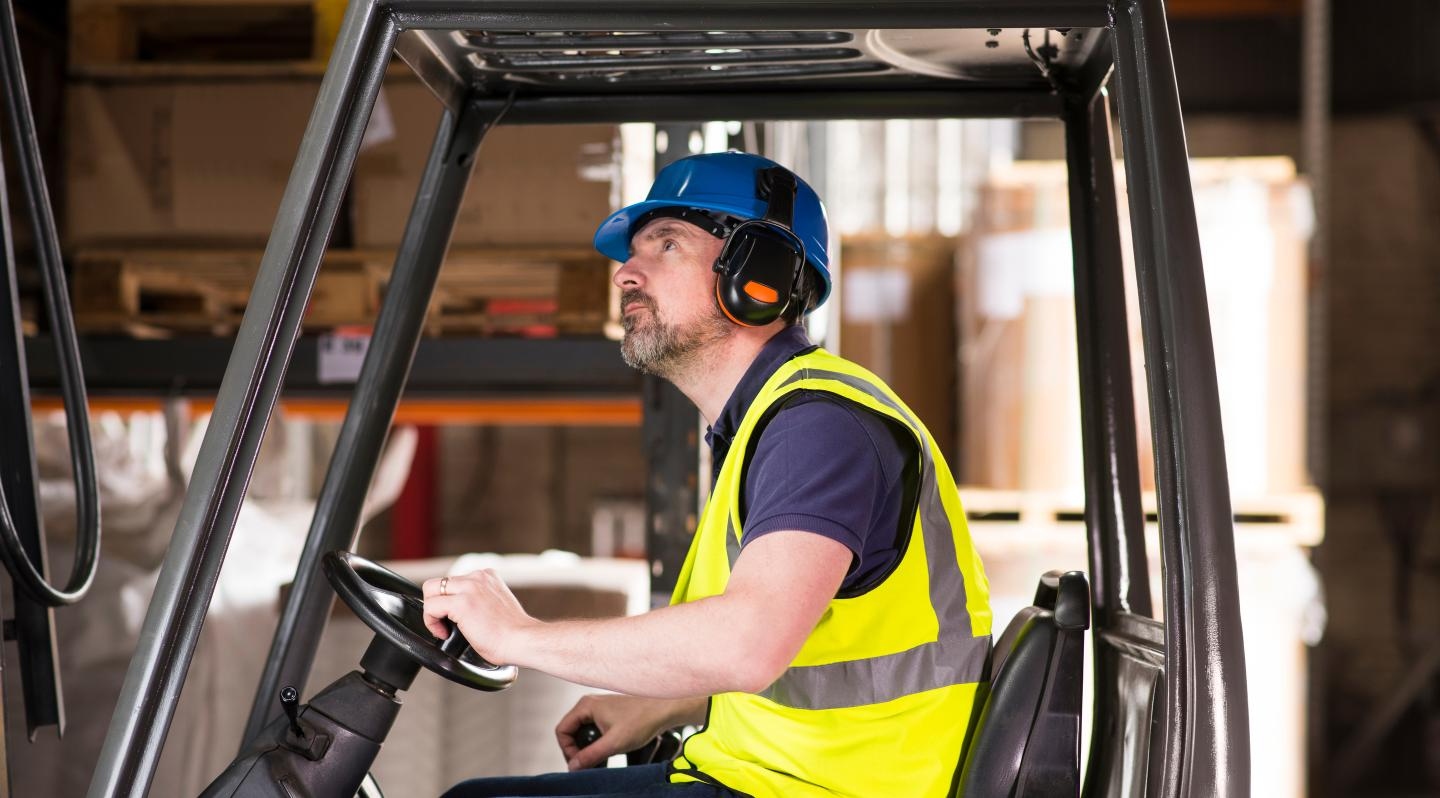
Proper Training Can Prevent Common Forklift Accidents
The Hidden Cost of Forklift Accidents
Proper training is the single most effective way to prevent common forklift accidents that cost businesses millions in downtime, injuries, and liability each year. With qualified instruction and modern equipment like the Liftron DL SERIES, operators can dramatically reduce risks in warehouses and industrial settings.
Why Training Matters More Than Ever
Every year, thousands of forklift-related incidents occur, ranging from tip-overs to pedestrian collisions. While machine safety features have improved, human error remains the leading cause. Comprehensive training programs address critical skills such as load balancing, speed control, and awareness of blind spots. Companies that invest in regular refresher courses see a measurable drop in accident rates.
Common Types of Forklift Accidents
Understanding the most frequent accident types helps focus training efforts where they are needed most:
- Tip-overs: Often caused by turning too quickly or uneven loads.
- Pedestrian collisions: Workers on foot unaware of a forklift’s path.
- Falling loads: Improperly secured or over-stacked pallets.
- Dock accidents: Driving off loading docks due to inattention.
- Ramp incidents: Loss of control on inclines without proper technique.
Core Training Elements That Reduce Risk
Effective training programs go beyond basic operation. They incorporate situational awareness, pre-shift inspections, and emergency procedures. When paired with reliable machinery from Liftron Material Handling, these practices create a safer workplace environment.
1. Pre-Operational Inspections
Before any shift, operators must check tires, brakes, horns, lights, and fluid levels. A simple five-minute inspection can catch mechanical issues that lead to accidents. Training should include a checklist system and clear reporting procedures for defects.
2. Load Handling Techniques
Operators must learn how to assess load weight and distribution. Uneven or unstable loads are a primary cause of tip-overs. Training emphasizes the “stability triangle” and proper fork positioning. With the Liftron DL SERIES, advanced load sensors provide real-time feedback to prevent overloads.
3. Speed and Visibility Management
Speeding reduces reaction time and increases stopping distance. Training teaches operators to slow down in tight aisles, near corners, and around pedestrian traffic. Using mirrors, cameras, and warning systems further enhances visibility.
4. Pedestrian Safety Protocols
Establishing clear walkways, using auditory alerts, and enforcing a strict “no earphones” policy keeps foot traffic safe. Drills that simulate crowded warehouse conditions prepare operators for real-world scenarios.
Real-World Benefits of Proper Training
Organizations that prioritize comprehensive training report fewer insurance claims, lower equipment repair costs, and higher employee morale. According to industry data, proper training can reduce forklift-related accidents by up to 50%. This translates to thousands of dollars saved annually per vehicle.
Case Example: Warehouse Transformation
A mid-sized distribution center replaced its aging fleet with modern units from Liftron Material Handling and implemented a quarterly training program. Within one year, incident reports dropped by 62%, and productivity increased by 18% due to fewer operational disruptions.
Choosing the Right Equipment for Safety
Even the best-trained operators face limitations with poorly maintained or outdated machinery. Modern forklifts offer features that complement training efforts:
| Safety Feature | Benefit |
|---|---|
| Lithium-ion battery | No emissions, instant power, reduced fire risk |
| Stability control | Prevents tip-overs during sharp turns |
| 360-degree camera | Eliminates blind spots around the vehicle |
| Automatic braking | Stops forklift if operator releases controls |
The Liftron DL SERIES integrates many of these features, making it an ideal partner for well-trained operators.
Creating a Culture of Safety
Training should never be a one-time event. Ongoing refresher courses, performance evaluations, and incident reviews keep safety top of mind. Employers should also encourage open communication about hazards without fear of reprisal. When management visibly demonstrates commitment to safety, operators follow suit.
3 Tips for Training Program Success
- Schedule quarterly hands-on drills covering emergency stops, fire response, and manual lowering of loads.
- Use data from telematics to identify risky operating patterns like harsh braking or excessive speed.
- Reward safe behavior with recognition or incentives to reinforce positive habits.
Final Thoughts
Preventing forklift accidents requires a dual approach: rigorous, ongoing training and modern equipment designed with safety in mind. By investing in both, businesses protect their most valuable assets—their people and their productivity. Whether you are upgrading your fleet or enhancing your training curriculum, solutions from Liftron Material Handling provide the reliability and innovation needed to stay accident-free.
Add a review
Your email address will not be published. Required fields are marked *