
What Is a Forklift Designed to Do?
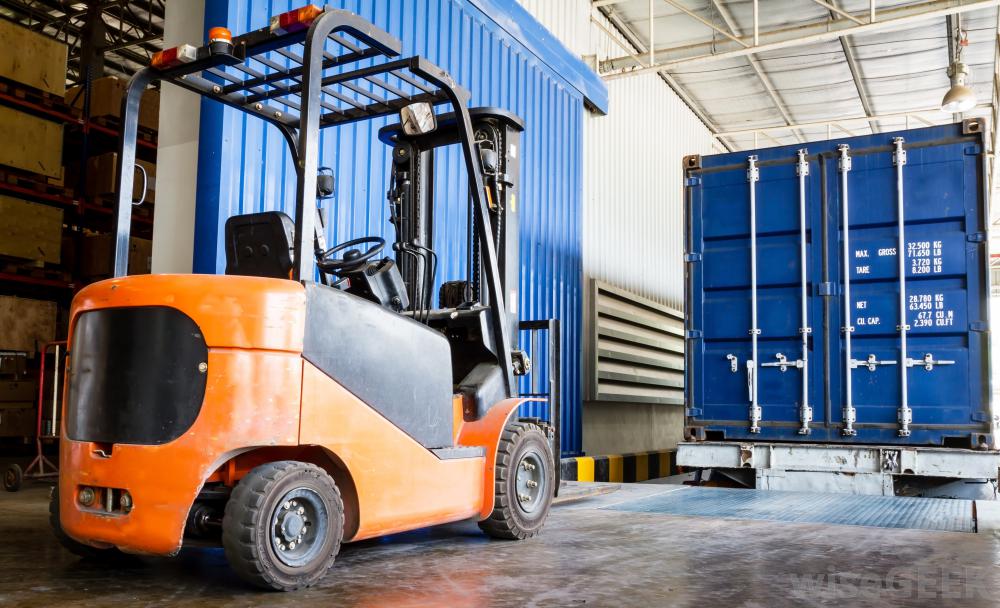
A forklift is designed to pick up, lift, transport, and stack heavy loads. Its main functions include loading and unloading materials, moving products around facilities, and placing goods into storage locations.
The primary purpose of a forklift is material handling. These powerful machines replace manual labor by allowing operators to move palletized goods, raw materials, equipment, and heavy products over short distances with greater speed and safety.
From loading trucks to organizing warehouse storage, forklifts improve productivity by making heavy lifting tasks faster, more accurate, and less physically demanding.
What Is the Primary Function of a Forklift?
The main function of a forklift is to handle materials that are too heavy, large, or difficult for workers to move manually.
A standard forklift uses two metal forks attached to a lifting mechanism. These forks slide underneath pallets or other approved loads, raise them from the ground, and transport them to another location.
| Forklift Function | Description |
|---|---|
| Picking | Collects pallets or materials from storage areas |
| Lifting | Raises loads using hydraulic lifting systems |
| Transporting | Moves materials across short distances |
| Stacking | Places products into storage positions |
| Loading and unloading | Transfers goods between trucks and facilities |
Core Capabilities of Forklifts
1. Loading and Unloading
One of the most common forklift applications is loading and unloading delivery trucks, trailers, and shipping containers.
Forklifts allow operators to quickly move palletized products from transportation vehicles into warehouses or production areas.
Common loading tasks include:
- Removing pallets from trucks
- Loading finished products for shipment
- Moving incoming materials to storage
- Preparing customer orders
2. Stacking and Storing
Forklifts are essential for maximizing warehouse storage space. By lifting pallets vertically, forklifts allow businesses to use tall racks and improve inventory organization.
High-capacity forklifts and specialized warehouse models can place loads several feet above the ground while maintaining stability.
| Storage Task | Forklift Benefit |
|---|---|
| Pallet stacking | Uses vertical warehouse space efficiently |
| Rack storage | Allows organized inventory placement |
| Inventory movement | Reduces manual handling time |
| Bulk storage | Supports large-volume operations |
3. Transportation
Forklifts are designed to move heavy materials safely from one location to another.
Unlike cranes or other lifting equipment, forklifts combine lifting capability with mobility, allowing one machine to perform multiple material handling tasks.
Common transportation applications include:
- Moving pallets between warehouse zones
- Delivering materials to production lines
- Transporting construction supplies
- Moving finished goods for shipping
How Does a Forklift Work?
A forklift uses several mechanical and hydraulic systems to lift and transport loads.
| Component | Function |
|---|---|
| Forks | Support and carry loads |
| Mast | Raises and lowers the forks |
| Hydraulic cylinders | Create lifting force |
| Counterweight | Balances front loads |
| Drive system | Moves the forklift |
Specialized Functions and Attachments
Although forklifts are commonly recognized by their standard forks, many models can use specialized attachments to handle different materials.
Attachments allow forklifts to perform tasks beyond standard pallet handling.
Sideshifters
A sideshifter allows the forks to move left and right without repositioning the entire forklift.
This improves accuracy when aligning pallets and reduces the time needed for small adjustments.
Clamps
Clamps are designed for materials that cannot be handled with traditional forks.
Common clamp applications include:
- Paper rolls
- Barrels
- Appliances
- Large containers
Fork Positioners
Fork positioners allow operators to adjust the distance between forks hydraulically.
This makes it easier to handle different pallet sizes and load dimensions.
| Attachment | Main Use |
|---|---|
| Sideshifter | Adjusts fork position horizontally |
| Clamp | Handles non-palletized products |
| Fork positioner | Adjusts fork spacing |
| Rotator | Rotates containers or bins |
What Industries Use Forklifts?
Forklifts are used in almost every industry that requires heavy material movement.
| Industry | Common Forklift Applications |
|---|---|
| Warehousing | Pallet storage and order preparation |
| Manufacturing | Moving raw materials and components |
| Construction | Transporting building supplies |
| Retail | Moving inventory and shipments |
| Food and beverage | Handling packaged products |
| Agriculture | Moving farm supplies and materials |
Different Types of Forklifts for Different Tasks
Not every forklift is designed for the same job. Businesses select equipment based on load capacity, operating environment, aisle width, and required lifting height.
| Forklift Type | Typical Application |
|---|---|
| Counterbalance Forklift | General lifting and transportation |
| Reach Truck | Narrow aisle warehouse storage |
| Pallet Jack | Ground-level pallet movement |
| Stacker | Light-duty stacking applications |
| Rough Terrain Forklift | Outdoor construction environments |
What Is the Golden Rule of Forklift Operations?
The golden rule of forklift operation is: Operate the forklift safely and within its rated capacity at all times.
This means operators must understand the machine’s limits, maintain control, and never exceed the manufacturer’s specifications.
Never lift more weight than the forklift is rated for, never travel with unsafe loads, and always maintain control of the forklift.
Safe Forklift Operation Steps
-
Inspect the forklift before use.
Check tires, forks, brakes, steering, warning devices, and safety systems. -
Understand the load.
Confirm weight, dimensions, and load stability. -
Position the forks correctly.
Center the load and insert forks fully. -
Lift smoothly.
Avoid sudden movements that may affect stability. -
Transport safely.
Keep loads low and maintain controlled speed. -
Place the load carefully.
Lower the load securely before removing the forks.
How Modern Forklifts Improve Productivity
Modern forklift designs include advanced technologies that improve efficiency, safety, and operator comfort.
Electric forklifts provide benefits such as:
- Lower maintenance requirements
- Quiet operation
- Reduced emissions
- Consistent performance
- Improved indoor suitability
Businesses looking for modern material handling solutions can explore forklift options designed for warehouse and industrial applications.
Conclusion
A forklift is designed to lift, move, transport, and stack heavy materials efficiently. Its combination of lifting power, mobility, and versatility makes it one of the most important machines in modern material handling.
From warehouses and factories to construction sites and distribution centers, forklifts improve productivity by reducing manual labor and allowing businesses to move heavy goods safely.
Understanding what a forklift is designed to do helps operators choose the right equipment, use attachments correctly, and follow safe operating practices.
Add a review
Your email address will not be published. Required fields are marked *