
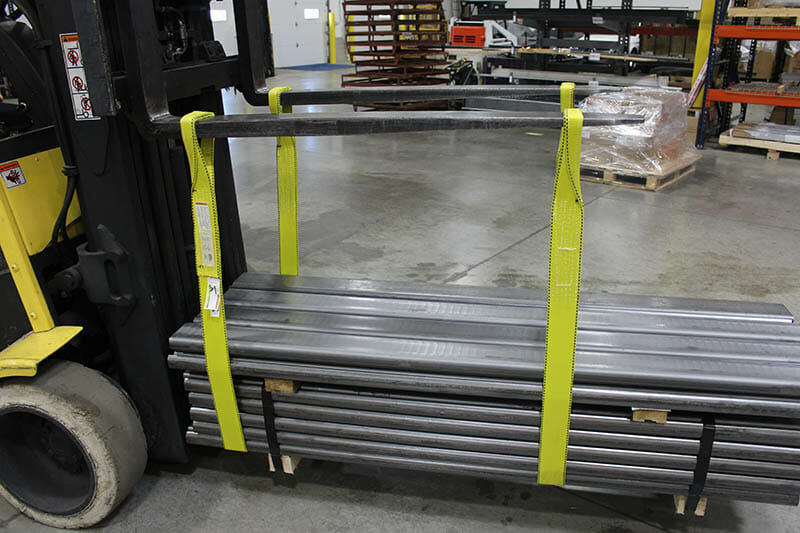
can you use slings on a forklift
Using slings on a forklift is a common practice in material handling, but it requires strict adherence to safety guidelines and proper rigging techniques. When used correctly, slings can enhance load stability and flexibility, but improper use can lead to accidents, injuries, or equipment damage. This article explores the safety, applications, and best practices for using slings on forklifts.
Understanding Slings in Forklift Operations
Slings are flexible lifting devices made from materials like nylon, polyester, wire rope, or chain. They are often used when a forklift needs to handle loads that are not compatible with standard forks, such as oddly shaped items, fragile goods, or large rolls. However, not all forklifts are designed to support sling attachments without proper modifications or attachments.
Can You Use Slings on Any Forklift?
Most counterbalance forklifts are not inherently designed for sling use because the forks are fixed and the load center is calculated based on fork engagement. To safely use slings, you typically need a forklift equipped with a crane attachment, a jib, or a sling bar. Alternatively, you can use a sling with lifting points on the load itself, but the fork tines must not interfere with the sling’s position. It is crucial to consult the forklift’s load capacity chart and never exceed the rated capacity with a sling configuration.
Safety Considerations for Using Slings
Safety is paramount when combining slings with forklifts. Key risks include load slippage, sling damage from sharp edges, overloading, and instability. Always inspect slings before use for cuts, abrasions, knots, or chemical damage. Use edge protectors where the sling contacts sharp corners. Never use a sling that has been exposed to extreme temperatures or corrosive environments without verification.
Load Capacity and Angle Factors
When using slings, the effective load capacity decreases as the angle from vertical increases. The table below shows the capacity reduction for different sling angles:
| Sling Angle from Vertical | Capacity Factor |
|---|---|
| 0° (Vertical) | 1.00 (100% capacity) |
| 30° | 0.87 |
| 45° | 0.71 |
| 60° | 0.50 |
Always calculate the tension on each sling leg and ensure it does not exceed the rated capacity of the sling or the forklift attachment.
When Slings Are Useful on Forklifts
- Unconventional loads: Drums, pipes, bales, or machinery that cannot be palletized.
- Fragile items: Slings distribute pressure more evenly than forks, reducing damage risk.
- Limited access: Slings allow lifting from above when forks cannot reach under a load.
- Combined operations: Some facilities use slings in tandem with fork extensions for heavy or long loads.
Professional Guidance from Liftron Material Handling
For safe and efficient sling-based forklift operations, consult experts who understand both rigging and forklift dynamics. Liftron Material Handling offers comprehensive support and equipment tailored to modern material handling challenges. Their team can help you select the right attachments, including sling bars, jibs, and load backrests, to ensure compliance with OSHA standards and maximize productivity.
Best Practices for Using Slings with Forklifts
Follow these guidelines to minimize risk:
- Ensure the forklift is equipped with a proper sling attachment point, such as a hook or shackle, not just fork tines.
- Use slings with tags that show rated capacity, material, and inspection date; never use unmarked slings.
- Position the forklift so that the load is balanced and the sling is vertical whenever possible.
- Avoid dragging slings across rough floors or under loads.
- Train operators on sling rigging and the specific limitations of their forklift model.
The Role of Modern Forklifts in Sling Operations
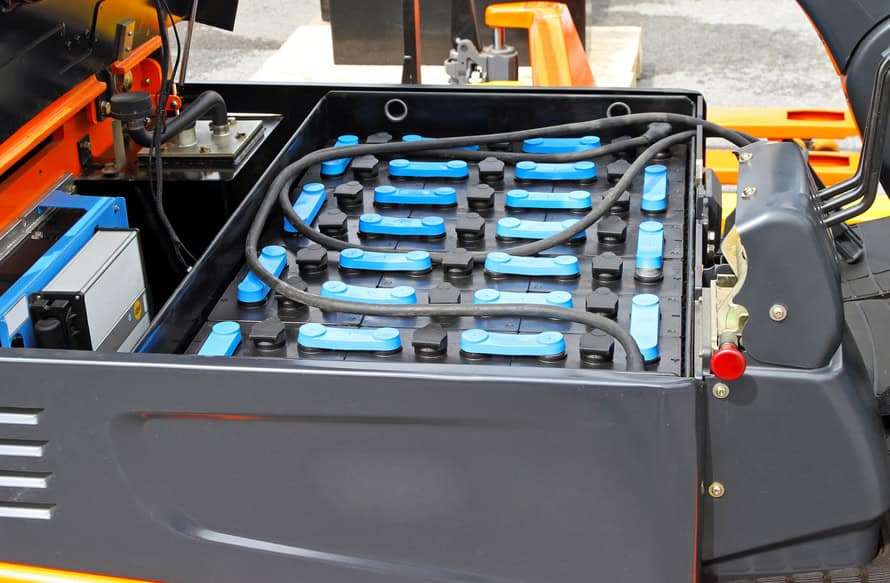
Newer electric forklifts, such as those in the Liftron DL SERIES, offer superior stability and precise control, which is beneficial when handling slung loads. The lithium-ion battery technology provides consistent power and smooth acceleration, reducing jerky movements that could destabilize a sling. Additionally, these forklifts often feature advanced load sensing and stability systems that help operators maintain safe operations when using non-standard attachments.
Legal and Regulatory Compliance
In the United States, OSHA requires that any modification to a forklift, including adding sling attachments, be approved by the manufacturer or a qualified engineer. The forklift’s data plate must reflect any changes in capacity or configuration. Using slings without proper authorization can violate safety regulations and void warranties. Always document all attachments and train operators accordingly.
Final Thoughts
Yes, you can use slings on a forklift, but only with proper equipment, training, and safety precautions. Slings expand the versatility of forklifts but introduce complexity that cannot be ignored. By following industry best practices and leveraging high-quality equipment from reliable providers like Liftron Material Handling, you can safely incorporate slings into your material handling workflow. For operators seeking modern, efficient platforms, the Liftron DL SERIES offers an excellent combination of power, control, and safety features that complement sling-based lifts.
Add a review
Your email address will not be published. Required fields are marked *