
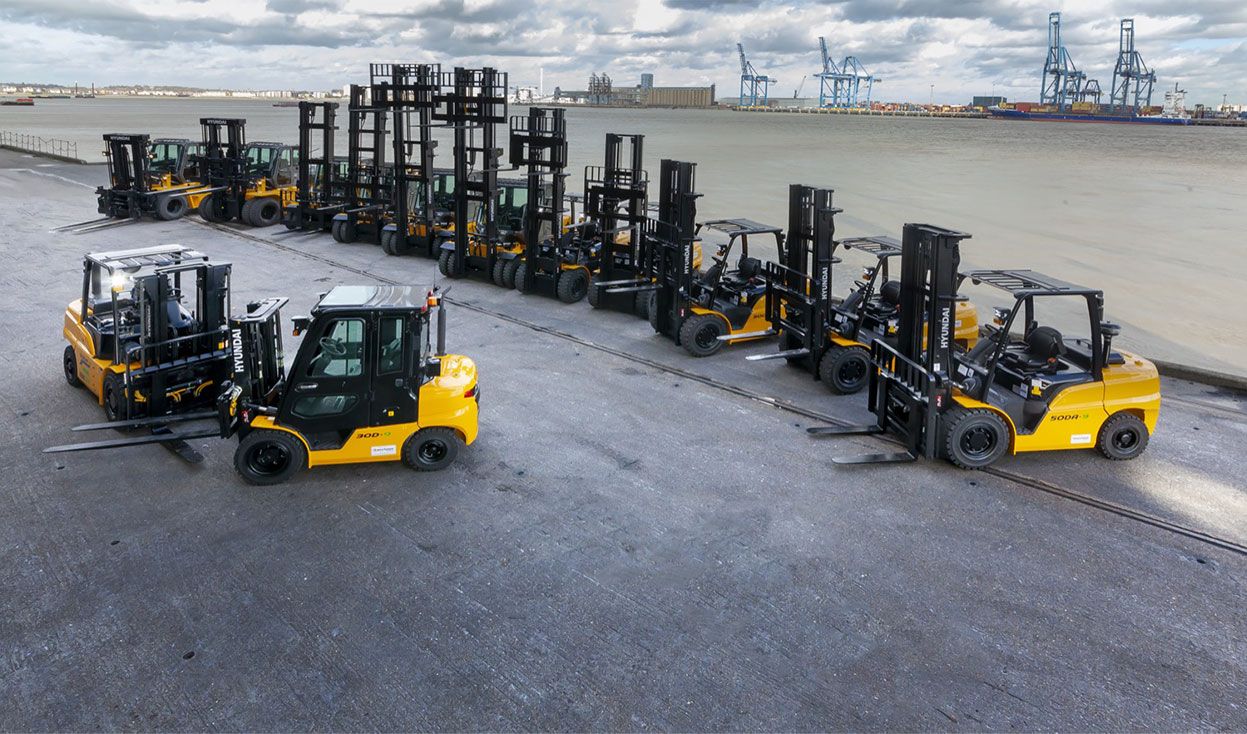
What Industries Use Forklifts?
Why Are Forklifts Used in So Many Industries?
Forklifts are one of the most important pieces of material handling equipment in the global supply chain. Their main advantage is the ability to lift and move heavy loads that would be difficult, dangerous, or impossible to handle manually.
From moving pallets inside warehouses to transporting construction materials on job sites, forklifts improve productivity, reduce manual labor, and help companies organize inventory efficiently.
Different industries use different forklift types depending on their working environment. A narrow warehouse aisle may require a reach truck, while a construction site may require a rugged pneumatic tire forklift. Food distribution centers may prefer electric forklifts because they operate cleanly indoors.
Industries That Use Forklifts
| Industry | Common Forklift Applications | Typical Forklift Types |
|---|---|---|
| Warehousing & Distribution | Pallet storage, order fulfillment, loading trucks | Electric counterbalance, reach trucks, pallet jacks |
| Manufacturing | Moving raw materials and finished products | Electric forklifts, heavy-duty forklifts |
| Construction | Moving building materials and equipment | Rough terrain forklifts, pneumatic forklifts |
| Agriculture | Handling feed, supplies, and farm products | Diesel and outdoor forklifts |
| Shipping & Air Freight | Loading containers, trucks, and cargo areas | High-capacity forklifts, electric forklifts |
| Recycling & Waste Management | Moving recycled materials and containers | Heavy-duty forklifts with attachments |
1. Warehousing and Distribution
Warehousing and distribution are among the largest users of forklifts. Modern supply chains depend on forklifts to move thousands of pallets every day through storage facilities, fulfillment centers, and distribution hubs.
Forklifts are used for:
- Loading and unloading delivery trucks
- Stacking pallets on warehouse racks
- Moving inventory between storage zones
- Supporting e-commerce fulfillment operations
- Transporting heavy cartons and containers
Electric forklifts are especially common in warehouses because they provide quiet operation, zero direct exhaust emissions, and lower maintenance requirements.
For warehouse applications, companies may choose electric models such as DE SERIES forklifts or other lithium-powered solutions designed for indoor material handling.
2. Manufacturing and Heavy Industry
Manufacturing facilities rely heavily on forklifts to move materials throughout the production process. Automotive plants, metal factories, machinery manufacturers, and electronics facilities all use forklifts to transport components and finished goods.
Common manufacturing forklift tasks include:
- Moving raw materials to production lines
- Transporting finished products
- Loading pallets for shipment
- Moving heavy machinery components
- Supporting warehouse storage inside factories
Heavy manufacturing environments often require forklifts with higher capacity, stronger frames, and durable components to handle demanding workloads.
3. Construction Industry
Construction sites use forklifts to move heavy materials such as lumber, steel, concrete products, pipes, bricks, and equipment.
Unlike warehouse forklifts, construction forklifts often need to operate on uneven ground, gravel, dirt, or outdoor surfaces. These environments require machines with stronger tires, higher ground clearance, and greater durability.
| Construction Material | Forklift Use |
|---|---|
| Lumber | Transporting long boards and stacked materials |
| Steel | Moving beams, pipes, and heavy components |
| Concrete Products | Handling blocks, panels, and pallets |
| Equipment | Moving tools and machinery |
4. Agriculture and Farming
Agriculture uses forklifts for handling products, supplies, and equipment. Farms, food processing facilities, and agricultural warehouses use forklifts to move materials quickly and safely.
Common agricultural forklift applications include:
- Moving bags of fertilizer and animal feed
- Transporting pallets of produce
- Loading agricultural products
- Handling storage materials
- Moving farm equipment
Outdoor agricultural operations often require forklifts that can handle rough surfaces, weather conditions, and heavier loads.
5. Shipping, Ports, and Air Freight
Shipping and logistics operations depend on forklifts to move cargo between warehouses, trucks, ships, and aircraft. Ports and airports require reliable material handling equipment because cargo movement must be fast and efficient.
Forklifts are used for:
- Loading and unloading containers
- Moving freight pallets
- Handling cargo packages
- Supporting transportation operations
Large shipping environments may require specialized forklifts with high lifting capacities and strong stability.
6. Recycling and Waste Management
Recycling facilities use forklifts to move heavy and irregular materials such as scrap metal, paper bales, plastic containers, and recycling bins.
Because recycling environments can be demanding, forklifts may require specialized attachments such as clamps, rotators, or heavy-duty forks.
What Industry Uses Forklifts Most?
Warehousing and distribution are generally considered the industries with the highest forklift usage. The growth of e-commerce, global supply chains, and automated distribution centers has increased demand for efficient material handling equipment.
Large warehouses may operate dozens or even hundreds of forklifts depending on facility size, inventory volume, and workflow requirements.
| Industry | Forklift Demand Level | Main Reason |
|---|---|---|
| Warehousing | Very High | Constant pallet movement and storage operations |
| Manufacturing | High | Material transportation and production support |
| Construction | High | Heavy outdoor material handling |
| Shipping & Logistics | Very High | Fast cargo movement requirements |
| Agriculture | Medium | Seasonal and product handling needs |
Is a Forklift in High Demand?
Yes, forklifts remain in high demand because industries continue to need efficient ways to move heavy materials. Warehousing expansion, manufacturing growth, construction projects, and global logistics all require reliable material handling equipment.
The demand for electric forklifts is also increasing as companies look for cleaner, quieter, and more energy-efficient solutions. Lithium-ion forklift technology is becoming more popular because it supports longer operating hours, faster charging, and reduced maintenance.
Companies looking for advanced electric material handling equipment can explore options such as DL SERIES, XSCZ151, and other solutions from Liftron Material Handling.
How to Choose the Right Forklift for an Industry
- Identify the materials you need to move.
- Calculate maximum load weight requirements.
- Measure aisle widths and storage heights.
- Determine whether the forklift operates indoors or outdoors.
- Select the correct fuel type: electric, lithium-ion, propane, or diesel.
- Choose required attachments and accessories.
- Evaluate maintenance support and parts availability.
- Train operators for the specific forklift model.
Common Forklift Applications by Equipment Type
| Forklift Type | Common Industry |
|---|---|
| Electric Counterbalance Forklift | Warehouses, manufacturing, indoor logistics |
| Reach Truck | High-density warehouses and narrow aisles |
| Rough Terrain Forklift | Construction and outdoor applications |
| Pallet Jack | Retail, warehouses, distribution centers |
| Heavy-Duty Forklift | Ports, steel, recycling, industrial facilities |
Conclusion
Forklifts are essential across many industries, including warehousing, manufacturing, construction, agriculture, shipping, air freight, and recycling. Their ability to lift, transport, and organize heavy materials makes them one of the most important machines in modern supply chains.
The best forklift depends on the industry, working environment, load requirements, and operating conditions. From warehouse electric models to heavy-duty industrial trucks, choosing the correct equipment improves safety, efficiency, and productivity.
For businesses looking for modern electric material handling solutions, Liftron Material Handling provides electric forklift options designed for different warehouse and industrial applications.

Add a review
Your email address will not be published. Required fields are marked *