
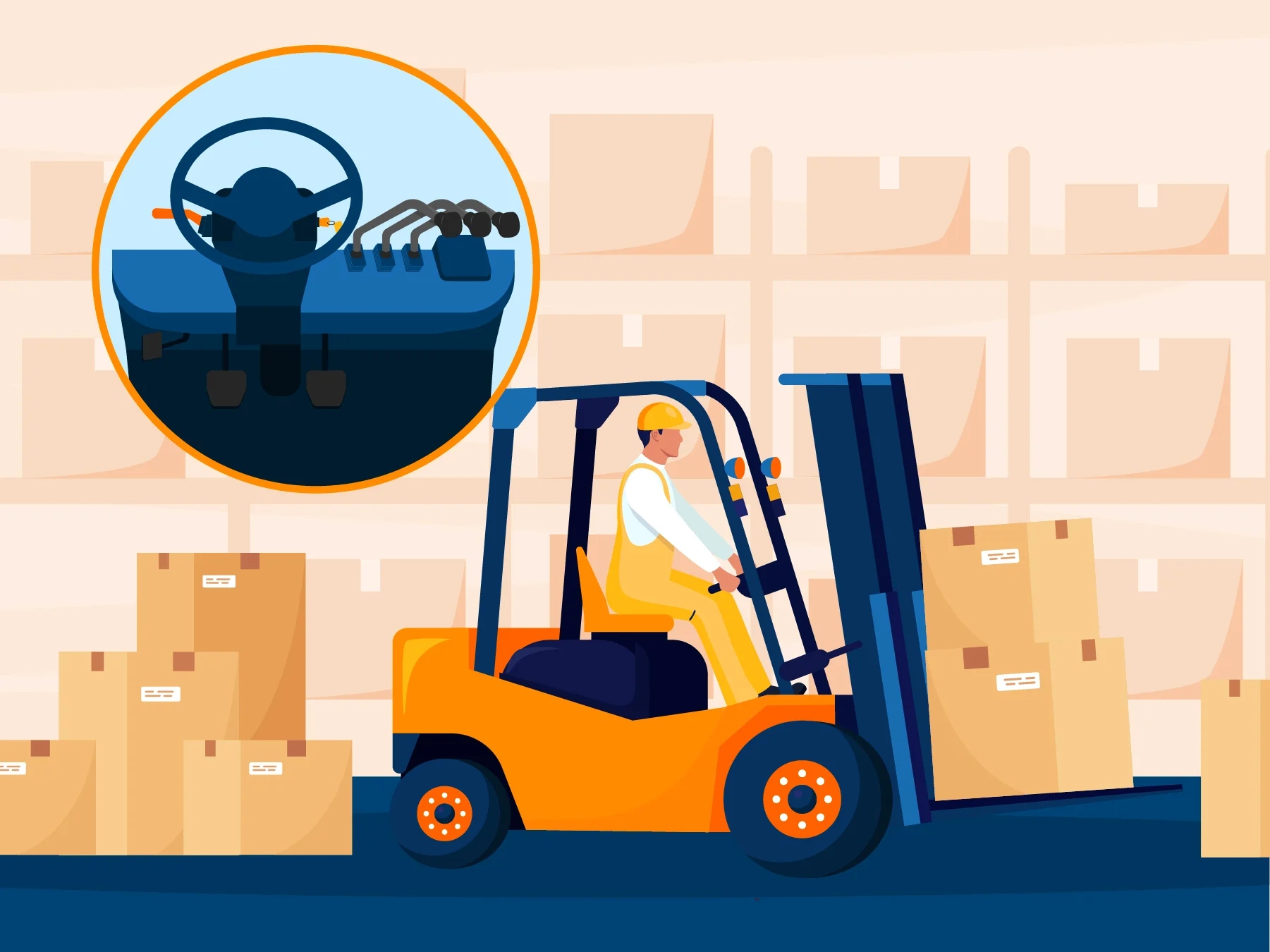
are all industrial forklifts have clutch
Are all industrial forklifts equipped with a clutch? The short answer is no—modern forklifts increasingly use automatic, hydrostatic, and electric drivetrains that eliminate the traditional clutch pedal. Understanding when a clutch is present and when it is not helps you choose the right equipment for your warehouse or job site.
Traditional Clutch Systems in Combustion Forklifts
Industrial forklifts powered by internal combustion engines (gasoline, diesel, or LPG) often feature a manual transmission with a clutch. This system requires the operator to press a pedal to disengage the engine from the wheels when shifting gears. Clutch-based forklifts are common in outdoor applications and heavy-duty operations where torque control is essential. However, they demand more operator skill and can cause fatigue over long shifts.
How the Clutch Works in Forklifts
In a standard manual forklift, the clutch connects and disconnects the engine’s power to the transmission. Pressing the clutch pedal allows gear changes, while releasing it engages the drivetrain. This design provides precise control when maneuvering loads at low speeds, but it also requires regular maintenance—clutch plates wear out over time, especially in stop-and-go environments.
Automatic Transmissions and Torque Converters
Many modern combustion forklifts now use automatic transmissions with a torque converter instead of a manual clutch. These systems enable smoother acceleration and reduce operator strain. The torque converter uses fluid coupling to transfer power, eliminating the need for a clutch pedal. Operators can focus on load handling without worrying about gear shifting. Brands like Liftron Material Handling offer advanced automatic models that improve productivity and safety in busy warehouses.
Benefits of Torque Converter Systems
- Eliminates clutch pedal, reducing operator fatigue
- Smoothes power delivery, especially when carrying heavy loads
- Lower maintenance costs compared to manual clutches
- Ideal for indoor use with frequent direction changes
Hydrostatic and Electric Drivetrains: No Clutch Required
Electric forklifts and hydrostatic drive systems completely eliminate the clutch. Electric models use traction motors controlled by an electronic controller, while hydrostatic systems use hydraulic pumps and motors. Both provide infinite speed control without mechanical gears. This makes them exceptionally smooth and easy to operate, perfect for indoor applications like food processing or cold storage. The Liftron DL SERIES lithium-ion forklift is a prime example of a clutch-free electric lift truck that delivers instant torque and zero emissions.
Advantages of Clutch-Free Electric Forklifts
| Feature | Benefit |
|---|---|
| No clutch pedal | Easier operation, reduced training time |
| Instant torque | Quick acceleration and precise control |
| Low maintenance | Fewer mechanical parts to service |
| Energy efficient | Lithium-ion batteries offer long run times |
When Do You Still Need a Clutch?
Clutch-based forklifts remain relevant in specific scenarios. For example, rough terrain forklifts and heavy-lift models often use manual transmissions for reliability and simplicity. Operators who are trained on manual equipment may also prefer the tactile feedback of a clutch. However, the industry trend is shifting toward automatic and electric systems for most material handling tasks.
Key Factors to Consider
- Application: Outdoor or uneven surfaces may favor manual clutches.
- Operator skill: Experienced operators can handle clutch control efficiently.
- Maintenance budget: Manual clutches require periodic replacement.
- Ergonomics: Clutch-free models reduce physical strain.
Choosing Between Clutch and Clutch-Free Forklifts
When selecting a forklift, evaluate your operation’s requirements. If you need maximum fuel efficiency and don’t mind training operators on manual transmissions, a clutch-based model may work. But for most modern warehouses, clutch-free options like those from Liftron Material Handling provide better uptime, lower total cost of ownership, and easier daily use. The Liftron DL SERIES exemplifies how lithium-ion technology removes the clutch entirely while boosting performance.
Future of Forklift Drivetrains
As emission regulations tighten and warehouse efficiency demands grow, electric forklifts without clutches are becoming the standard. Hybrid and fuel-cell models also use clutch-free drivelines. For most buyers, the question is not “Do forklifts have clutches?” but rather “Which clutch-free model best fits my workflow?”
In summary, not all industrial forklifts have a clutch. Manual clutches persist in niche applications, but automatic, hydrostatic, and electric systems dominate the market. By choosing a modern clutch-free forklift, you reduce maintenance, improve operator comfort, and increase productivity. Explore the lineup at Liftron Material Handling to see how the Liftron DL SERIES can transform your material handling operations without a single clutch pedal in sight.
Add a review
Your email address will not be published. Required fields are marked *