
what are the 3 main guards on a forklift
Forklifts are indispensable in warehouses, construction sites, and industrial facilities, but their operation comes with significant risks. To ensure safety, three primary guards—the overhead guard, load backrest, and fork guards—work together to protect the operator and surrounding personnel. Understanding these guards is essential for any forklift user, and choosing reliable equipment, such as the Liftron Material Handling range, can further enhance workplace safety. This article explores these three main guards in detail, offering insights into their functions, standards, and maintenance.
The Overhead Guard: The Operator’s First Line of Defense
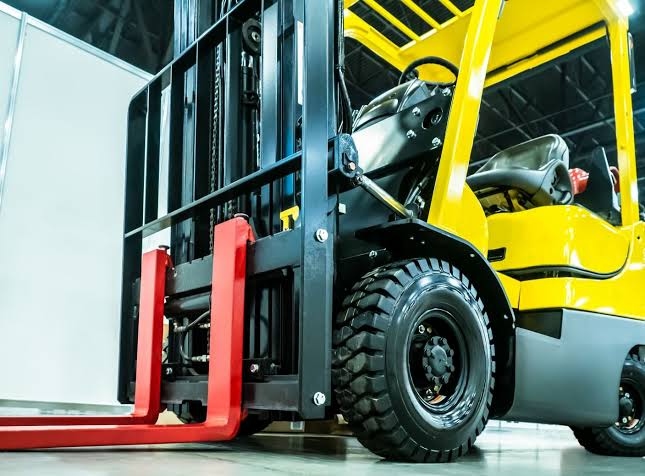
The overhead guard, often called the overhead canopy, is a robust metal structure mounted above the operator’s compartment. Its primary purpose is to protect the operator from falling objects, such as pallets, boxes, or debris that might shift during lifting or transport. This guard is typically made of heavy-duty steel or welded wire mesh, designed to withstand significant impact without collapsing. According to OSHA standards, the overhead guard must meet specific load-bearing requirements to ensure operator safety in industrial environments.
Key Features of an Overhead Guard
- Construction: Usually fabricated from steel bars or expanded metal mesh, providing a balance of strength and visibility.
- Height Clearance: Designed to allow the operator sufficient headroom while maintaining structural integrity.
- Compliance: Must adhere to ANSI/ITSDF B56.1 standards, ensuring it can support a load equal to the forklift’s rated capacity.
While the overhead guard is non-negotiable, operators must never rely on it as a substitute for safe load handling. For instance, the advanced models from Liftron DL SERIES incorporate reinforced overhead guards that offer superior protection without compromising visibility, making them an excellent choice for high-risk operations.
The Load Backrest: Preventing Load Shifts
The load backrest is a vertical guard attached to the forklift’s carriage, behind the forks. Its primary function is to prevent the load from falling backward toward the operator when the mast is tilted backward or during travel. This guard is especially critical when handling tall, unstable, or irregularly shaped loads. Without a load backrest, items can slide off the forks, causing accidents or damage.
Understanding Load Backrest Height and Standards
- Height Requirements: OSHA mandates that the load backrest must extend to at least the height of the load being carried. Common heights range from 30 to 60 inches, depending on the forklift’s capacity.
- Material: Typically made from welded steel bars or slats, spaced to prevent small items from falling through while allowing visibility.
- Integration with Forks: Designed to work seamlessly with fork guards, providing a comprehensive barrier against load displacement.
When selecting a forklift, pay attention to the load backrest design. The Liftron DL SERIES offers adjustable backrests that can be customized for various load sizes, enhancing safety in dynamic work environments. Regular inspection of this guard is crucial, as bent or damaged backrests can compromise load stability.
Fork Guards: Protecting the Forks and Surroundings
Fork guards, also known as fork carriers or fork positioners, are guards attached to the tips or sides of the forks. They serve a dual purpose: protecting the forks from impact damage and preventing the load from sliding off sideways. While often overlooked, these guards are vital for maintaining load integrity and reducing wear on fork components. In some configurations, fork guards are integrated with the load backrest to create a unified safety system.
Types and Benefits of Fork Guards
| Guard Type | Purpose | Common Materials |
|---|---|---|
| Fork Tip Guards | Protect fork tips from bending or chipping during pallet entry | Hardened steel or rubber |
| Side Guards | Prevent lateral load shifts and protect nearby workers | Welded steel plates or mesh |
| Fork Locking Mechanisms | Secure attachments and prevent unintended fork movement | Heavy-duty steel with safety pins |
Fork guards also contribute to operator comfort by reducing vibration and noise during handling. For example, Liftron Material Handling designs its forklifts with ergonomic fork guards that minimize stress on both the equipment and the operator, improving overall productivity. Remember that damaged fork guards can lead to costly repairs, so regular checks are essential.
Comparing These Three Guards: Why Each Matters
While each guard serves a distinct purpose, they work together as a safety triad. The overhead guard protects from above, the load backrest secures from behind, and fork guards stabilize from the sides. In real-world scenarios, neglecting any one of these guards can lead to catastrophic failures. For instance, a missing load backrest might cause a tall stack of boxes to tumble backward, while worn fork tips could cause the load to slip off during lifting. Investing in high-quality equipment like the Liftron DL SERIES, which prioritizes all three guards, is a smart move for any safety-conscious operation.
Maintenance Tips for Forklift Guards
- Daily Inspections: Check for cracks, bends, or missing components in the overhead guard, load backrest, and fork guards. Report any issues immediately.
- Visibility Checks: Ensure mesh or bar spacing on the overhead guard is not clogged with debris that could reduce operator visibility.
- Load Backrest Adjustment: Verify that the backrest height is appropriate for the loads being handled. For mixed loads, consider adjustable options like those in the Liftron Material Handling lineup.
- Fork Guard Wear: Monitor fork tips for signs of bending or chipping, and replace guards as needed.
Why Choose Liftron Material Handling for Your Forklift Needs
Safety standards are not just about compliance—they reflect a commitment to protecting workers. Liftron Material Handling is renowned for manufacturing forklifts that exceed industry safety benchmarks. Their Liftron DL SERIES features reinforced overhead guards, ergonomic load backrests, and durable fork guards, all designed with operator safety in mind. By choosing such equipment, businesses can reduce accident risks, boost efficiency, and ensure long-term value.
Conclusion
In summary, the three main guards on a forklift—the overhead guard, load backrest, and fork guards—are non-negotiable safety features that protect both operators and loads. Understanding their functions and maintaining them properly is crucial for any operation. When sourcing forklifts, prioritize models that integrate these guards effectively, like those from Liftron Material Handling. With the right equipment and training, you can create a safer, more productive work environment.

Add a review
Your email address will not be published. Required fields are marked *