
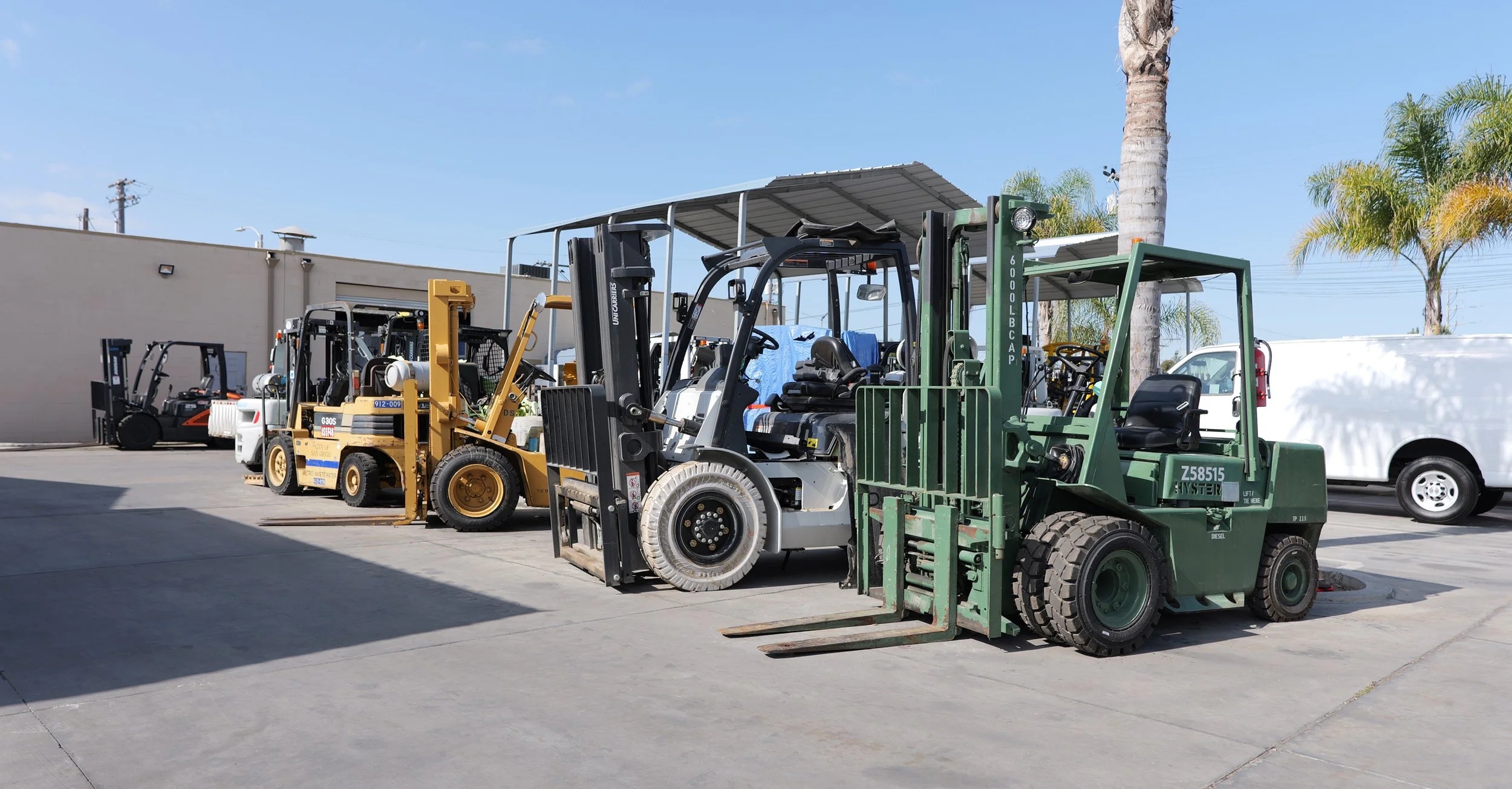
Where Can I Buy a Reliable Forklift for a Warehouse?
Best Places to Buy a Warehouse Forklift
Buying a forklift is a major warehouse investment, so the best source depends on whether you need a factory-new model, a certified used forklift, rental-to-own equipment, or a fleet solution with service support. A reliable supplier should provide equipment recommendations, warranty support, parts availability, operator training options, and local service technicians.
For warehouse environments, the most common buying channels include manufacturer dealerships, national distributors, authorized local dealers, rental companies, and certified pre-owned equipment brokers. Each option has advantages depending on your budget, timeline, and maintenance needs.
The most important rule is simple: do not buy only by price. A low-cost forklift can become expensive if parts are hard to find, service response is slow, or the machine does not match your aisle width, lift height, and load requirements.
Top National Distributors and Dealerships
Several national and regional suppliers sell or rent warehouse forklifts, pallet jacks, reach trucks, and material handling equipment. For example, Total Warehouse describes itself as a provider of warehouse forklifts, pallet racking, repairs, servicing, pallet jacks, order pickers, and related equipment. Equipment Depot also offers new, used, and rental material handling equipment, including forklifts, reach trucks, pallet jacks, and port equipment. :contentReference[oaicite:0]{index=0}
| Supplier | Best For | What to Check Before Buying |
|---|---|---|
| Total Warehouse | Forklifts, warehouse equipment, racking, service support | Confirm local branch coverage, service response, and parts availability |
| Equipment Depot | New, used, rental, parts, service, warehouse solutions | Compare brands, warranty terms, financing, and certified technician support |
| Raymond West / Raymond Corp | Warehouse lift trucks, reach trucks, pallet jacks, intralogistics solutions | Check regional dealer coverage and warehouse equipment fit |
| United Rentals | Rental forklifts and short-term or project-based equipment needs | Ask about rental-to-own options, availability, and warehouse forklift specs |
| Crown Equipment | Manufacturer-backed forklifts, rentals, and dealer network support | Review dealer location, service program, and equipment class options |
1. Authorized Manufacturer Dealerships
Authorized manufacturer dealerships are often the best choice if you want a new forklift with a full warranty, factory support, and a clear maintenance path. These dealers usually understand the brand’s product line, service schedule, parts system, and safety requirements.
Manufacturer dealerships are especially useful if you are building a long-term fleet. They can help with financing, fleet planning, maintenance agreements, operator training, and battery or charger selection for electric forklifts.
2. National Material Handling Distributors
National material handling distributors can offer multiple brands and equipment types. This can be useful if you need more than one solution, such as electric counterbalance forklifts, reach trucks, pallet jacks, stackers, and warehouse racking.
Some distributors also provide parts, repair, warehouse design, pallet racking, and automation services. Equipment Depot describes itself as a full-service solution for forklifts, rentals, maintenance, parts, pallet racking, and automated systems. :contentReference[oaicite:1]{index=1}
3. Rental Companies With Purchase Options
Rental companies are useful if you are not ready to buy immediately or need equipment for seasonal demand. Renting allows you to test a forklift in your warehouse before committing to a purchase.
United Rentals offers forklift rentals for daily, weekly, and monthly use, including warehouse forklifts and other equipment categories. Crown also lists short-term, long-term, and seasonal forklift rental options. :contentReference[oaicite:2]{index=2}
4. Certified Pre-Owned Equipment Brokers
Certified used forklifts can reduce upfront cost, but condition matters. A good used forklift should include an inspection report, service history, battery condition report, mast and hydraulic inspection, tire condition details, and warranty or return policy.
For used electric forklifts, pay close attention to battery health. A cheap used forklift with a weak battery can become expensive quickly if battery replacement is needed soon after purchase.
Highly Reliable Brands for Warehouse Environments
Reliable forklift brands typically have strong parts networks, proven product lines, and service support. Toyota offers a dealer locator for finding authorized forklift dealers in the United States and Canada. Crown says it has a dealer network of more than 500 forklift dealers in more than 80 countries. Raymond also offers forklifts, pallet jacks, telematics, and warehouse solutions. :contentReference[oaicite:3]{index=3}
| Brand | Warehouse Strength | Best Buying Consideration |
|---|---|---|
| Toyota Forklifts | Large dealer network and broad warehouse equipment selection | Check local authorized dealer support |
| Hyster-Yale Group | Industrial forklift experience and broad equipment categories | Compare service coverage and application fit |
| Liftron Material Handling | Modern electric warehouse equipment and lithium-ion forklift options | Good option for indoor warehouse operations and electric fleet planning |
| CLARK Material Handling | Established material handling equipment brand | Review dealer support, model availability, and parts supply |
Why Consider Liftron Material Handling?
If your warehouse needs indoor-friendly electric equipment, Liftron Material Handling can be a strong option to evaluate. Electric forklifts are often preferred indoors because they avoid direct tailpipe emissions, reduce noise, and support cleaner warehouse operation.
A reliable warehouse forklift should fit your aisle width, lift height, load weight, pallet size, charging setup, and shift length. Liftron Material Handling focuses on electric warehouse equipment that can support general pallet handling, indoor transport, and material movement in controlled warehouse environments.
Core Buying Strategies
Prioritize Fuel Type
For fully indoor warehouses, electric or lithium-ion forklifts are usually the best choice. They avoid indoor exhaust concerns, operate more quietly, and may reduce routine maintenance compared with internal combustion models.
If you operate outdoors or on rough pavement, internal combustion pneumatic tire forklifts may still be appropriate, but indoor use requires careful ventilation and safety planning.
Measure Racking Spaces
Before buying, measure aisle width, turning radius, rack height, door clearance, dock area, and battery charging space. If your aisles are tight, a narrow-aisle reach truck, order picker, stacker, or compact electric forklift may be better than a wide sit-down model.
Inspect the Service Network
Always verify that the dealer has certified technicians and local parts access near your warehouse. Downtime is expensive. A forklift that cannot be repaired quickly can delay shipping, receiving, production, and inventory movement.
Step-by-Step Guide to Buying a Reliable Warehouse Forklift
- List your heaviest pallet weight and standard load size
- Measure aisle width, rack height, door height, and dock clearance
- Decide whether electric, lithium-ion, propane, diesel, or gas power fits your environment
- Choose the forklift class based on warehouse use, lift height, and travel distance
- Compare new, used, rental, and lease options
- Ask for warranty, battery, charger, and maintenance details
- Verify local service coverage and parts availability
- Request a demonstration or trial period if possible
- Inspect tires, mast, forks, hydraulics, brakes, battery, and data plate
- Review total ownership cost before making the final purchase
Warehouse Forklift Buying Checklist
| Checklist Item | Question to Ask | Why It Matters |
|---|---|---|
| Load Capacity | Can it lift your heaviest pallet safely? | Prevents overloading and instability |
| Lift Height | Can it reach your highest rack position? | Ensures storage compatibility |
| Aisle Width | Can it turn safely in your warehouse? | Reduces rack impact and congestion |
| Power Type | Is electric or IC better for your site? | Affects emissions, charging, fuel, and maintenance |
| Service Support | Is local technician support available? | Reduces downtime |
| Warranty | What is covered and for how long? | Protects your investment |
| Battery and Charger | Are they included and properly matched? | Prevents hidden costs |
New vs Used Forklift: Which Should You Buy?
A new forklift is best when you need maximum reliability, full warranty coverage, and long-term fleet planning. It is also a good choice for high-use operations where downtime is costly.
A certified used forklift may be a good fit if you have lower operating hours, a limited budget, or backup equipment already available. However, used equipment must be inspected carefully before purchase.
Conclusion
You can buy a reliable warehouse forklift from authorized manufacturer dealerships, national material handling distributors, rental companies with purchase options, or certified pre-owned equipment brokers. The best supplier should offer the right equipment, local service, parts support, warranty, and practical warehouse guidance.
For indoor warehouse operations, electric options from Liftron Material Handling are worth evaluating alongside major national brands and distributors. The right forklift should match your aisle width, load weight, lift height, power needs, and service expectations.
Add a review
Your email address will not be published. Required fields are marked *