
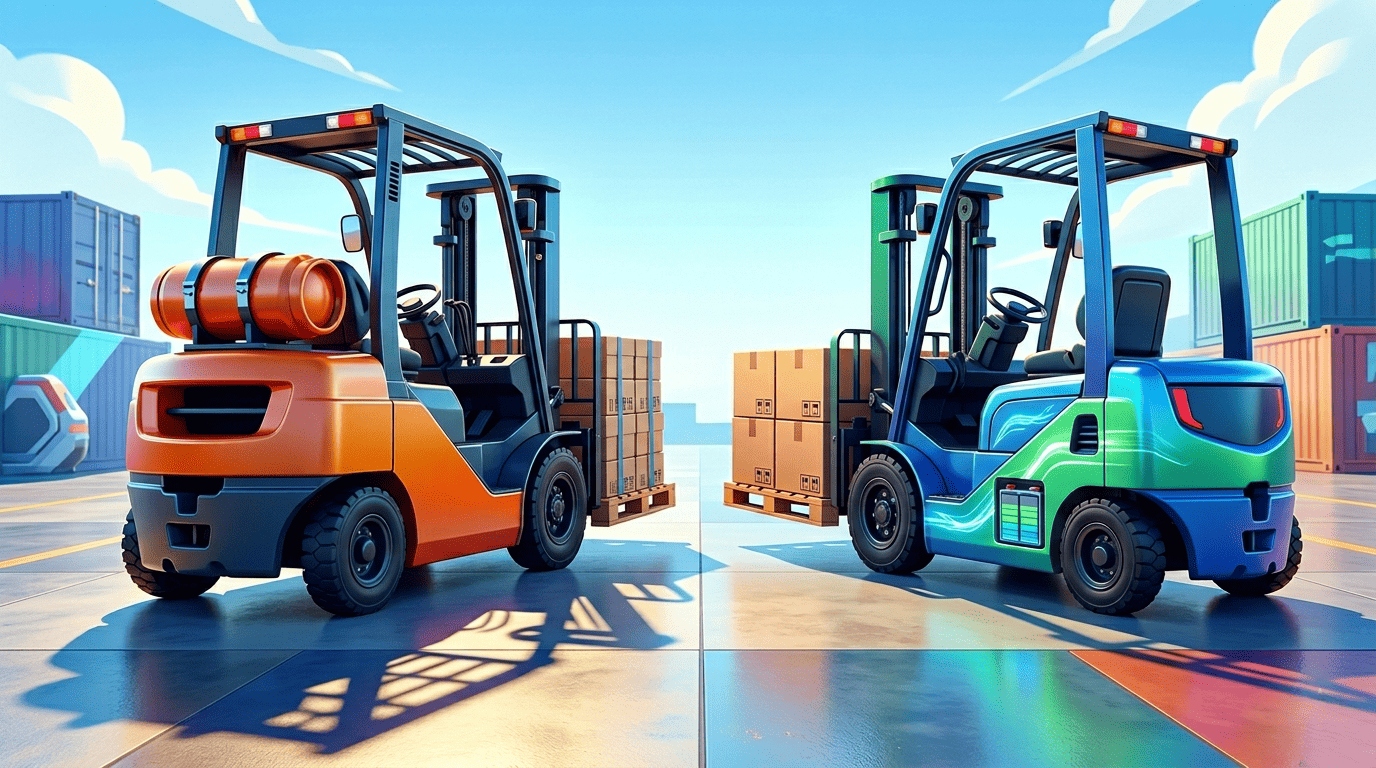
what is an electric forklift vs propane
Choosing between electric and propane forklifts is crucial for optimizing warehouse efficiency and reducing operational costs. This guide breaks down the key differences, performance specs, and hidden costs of both power sources to help you decide based on your facility’s needs and environmental goals.
Core Differences in Power Source Technology
Electric forklifts use rechargeable batteries—typically lead-acid or lithium-ion—to drive electric motors, while propane forklifts run on liquefied petroleum gas (LPG) stored in a pressurized tank. The power source impacts nearly every aspect of operation, from emissions to refueling habits. For modern electric solutions that combine high performance with rapid charging, consider the Liftron DL SERIES, which offers zero emissions and reduced downtime.
Performance and Power Output
Torque and Acceleration
Electric forklifts provide instant torque from a standstill, making them highly responsive in tight spaces. Propane units, while powerful, must reach higher RPMs to deliver equivalent torque. For applications requiring repeated acceleration—like order picking—electric models often edge ahead in cycle times.
Load Capacity and Lifting Speed
Both types handle similar weight ranges (typically 3,000–5,000 lbs), but propane forklifts can maintain higher lifting speeds under continuous heavy use. However, modern electric trucks with advanced motor controllers close this gap and often exceed propane in precise, low-speed control.
Indoor vs. Outdoor Use
Propane forklifts produce exhaust, making them unsuitable for indoor warehouses without ventilation. Electric forklifts are emission-free, allowing safe indoor operation. For outdoor use, propane handles wet or uneven surfaces better, though electric models with pneumatic tires perform admirably on dry terrain.
Operational Costs and Maintenance
| Cost Factor | Electric | Propane |
|---|---|---|
| Fuel/energy cost per hour | $0.10–0.25 | $0.30–0.55 |
| Battery/tank replacement | High every 4–6 years (lithium-ion lasts longer) | Moderate (tanks last years) |
| Annual maintenance | $800–1,200 (fewer moving parts) | $1,500–2,500 (engine, fluids, filters) |
| Lifespan | 8–12 years (battery dependent) | 10–15 years (engine maintenance) |
While electric forklifts have higher upfront battery costs, they save substantially on fuel and maintenance over time. Propane requires regular oil changes, spark plugs, and exhaust system repairs. If you want a solution that minimizes total cost of ownership, Liftron Material Handling provides a line of cost-efficient electric models.
Environmental Impact and Emissions
Electric forklifts produce zero tailpipe emissions, making them ideal for carbon-conscious facilities and those with strict air quality standards. Propane units emit carbon monoxide, nitrogen oxides, and particulate matter—though they burn cleaner than diesel. Additionally, electric models are significantly quieter (66–70 dB vs. 80–85 dB for propane), reducing noise pollution in shared workspaces.
Infrastructure Requirements
Charging vs. Refueling
Charging a standard lead-acid electric forklift takes 8 hours with an 8-hour cool-down, requiring multiple batteries for multi-shift operations. Propane tank swaps take under five minutes, but you must store tanks safely outdoors. Lithium-ion batteries change the game—they charge in 1–2 hours and can opportunity-charge during breaks. The Liftron DL SERIES harnesses this technology to keep trucks running continuously without battery swaps.
Space and Equipment
Electric forklifts need charging stations with proper ventilation (for lead-acid) and fire safety. Propane requires a dedicated, ventilated storage area for tanks, plus a refueling station. For warehouses with space constraints, electric’s smaller charging footprint is advantageous.
Operator Experience and Safety
Electric models offer smoother acceleration, no fumes, and near-silent operation, reducing operator fatigue. Propane’s engine vibration and smell can be tiring. Safety considerations include:
- Electric: No flammable fuel, but battery acid and high-voltage systems need handling care.
- Propane: Risk of leaks, fire, and carbon monoxide poisoning in enclosed spaces.
For indoor operations, electric is generally safer due to zero emissions. Propane should only be used indoors with proper ventilation and gas detection systems.
Which One Is Right for Your Business?
Choose an electric forklift if you operate indoors, need quiet, emission-free equipment, run single shifts, or want long-term fuel savings. Lithium-ion models like those from Liftron Material Handling further reduce charging downtime. Opt for propane if you work outdoors or on rough terrain, need continuous multi-shift operation without battery swaps, or have minimal indoor ventilation. Many large facilities use a mix—electric for indoor storage and propane for outdoor loading docks.
Conclusion
Neither power source is inherently superior—your choice depends on shift patterns, facility layout, environmental regulations, and total cost analysis. Electric forklifts are rapidly improving with lithium-ion advancements, making them more versatile than ever. Whichever you select, prioritize dealer support and operator training to maximize your investment. For more information on lithium-ion electric forklifts designed to replace propane fleets, explore the Liftron DL SERIES.
Add a review
Your email address will not be published. Required fields are marked *