

what’s the difference between gas and electric powered forklifts
Choosing between gas and electric forklifts is a critical decision that impacts operational costs, emissions, and efficiency. This article explores the key differences to help you select the right power source for your warehouse or industrial setting.
Power Source and Fuel Costs
Gas forklifts run on propane, diesel, or gasoline, while electric forklifts use rechargeable batteries, such as lithium-ion options like the Liftron Material Handling portfolio. Gas models generally have lower upfront equipment costs but higher ongoing fuel expenses. Electric models often involve a higher initial investment but benefit from significantly lower energy costs per shift.
Fuel vs. Electricity
Propane prices fluctuate, and gasoline or diesel engines require regular fuel purchases. Electric forklifts charge using standard electrical outlets or dedicated charging stations, which can be more predictable in cost. Over a multi-year lifespan, electric models frequently achieve a lower total cost of ownership.
Emissions and Indoor Use
Gas forklifts produce exhaust fumes containing carbon monoxide and nitrogen oxides, making them unsuitable for enclosed spaces without proper ventilation. Electric forklifts produce zero tailpipe emissions, enabling safe indoor operation in warehouses, distribution centers, and food processing facilities.
Environmental Impact
Companies prioritizing sustainability often prefer electric forklifts, especially when paired with renewable energy sources. Gas forklifts leave a larger carbon footprint due to combustion byproducts. Regulations in many regions increasingly restrict gas-powered equipment in indoor environments.
Performance and Power
Gas forklifts deliver consistent torque for heavy lifting and are ideal for outdoor applications, rough terrain, or long shifts where refueling is quick. Electric forklifts, particularly those equipped with advanced lithium-ion batteries like the Liftron DL SERIES, provide instant torque, smooth acceleration, and quiet operation. However, electric models may experience power drop-off as the battery discharges, whereas gas engines maintain peak output until refueling.
Battery vs. Engine Maintenance
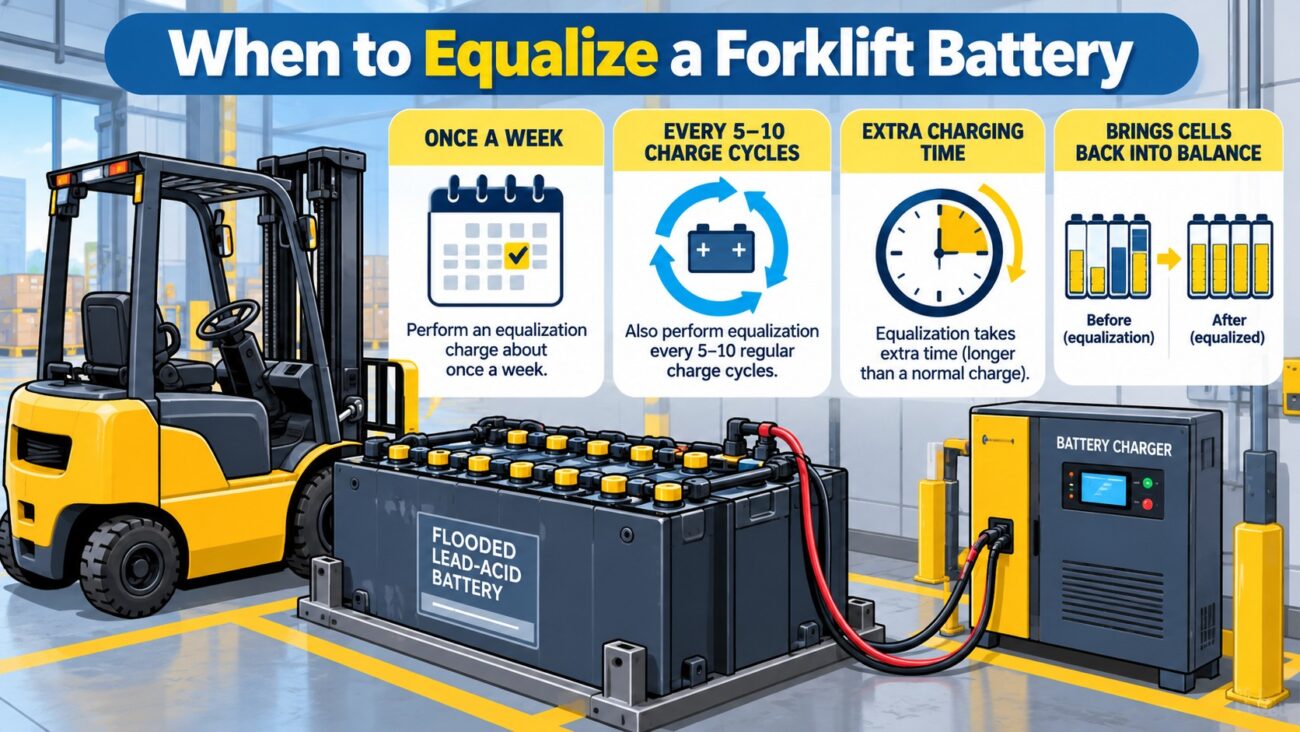
Electric forklifts have fewer moving parts, reducing mechanical wear. They require battery watering (for lead-acid types) and periodic charging. Gas engines need oil changes, spark plug replacements, air filter cleaning, and more frequent mechanical inspections. Lithium-ion batteries, used in the Liftron DL SERIES, eliminate the need for watering and offer opportunity charging.
Operational Costs Comparison
| Cost Factor | Gas Forklift | Electric Forklift (Lead-Acid) | Electric Forklift (Lithium-Ion) |
|---|---|---|---|
| Fuel/Energy per shift | $$$ | $ | $ |
| Maintenance costs | $$$ | $$ | $ |
| Battery replacement | N/A | $$$ (every 5-7 years) | $$ (longer lifespan) |
| Downtime for refueling/charging | 5 minutes | 8+ hours (or swap) | opportunity charging |
Lifespan and Resale Value
Gas forklifts typically last 10,000 to 15,000 hours before major overhauls are required. Electric forklifts can exceed 15,000 hours with proper battery care. Resale value for electric models is rising as demand for eco-friendly equipment grows. The Liftron Material Handling line includes both gas and electric options tailored to diverse applications.
Space and Facility Requirements
Gas forklifts require storage for fuel cylinders or tanks and ventilation systems for indoor use. Electric forklifts need charging stations and battery storage areas. Lithium-ion batteries, like those in the Liftron DL SERIES, have a compact footprint and do not require dedicated vented battery rooms, saving valuable floor space.
Which One is Right for You?
Evaluate your facility layout, shift length, emission regulations, and total cost of ownership. For indoor applications with limited ventilation and high duty cycles, electric forklifts—especially lithium-ion—are the optimal choice. For outdoor yards, uneven terrain, or operations requiring rapid refueling over long hours, gas forklifts may still be preferable. Consulting with experts at Liftron Material Handling can help match the right technology to your workflow.
Key Takeaways
- Gas forklifts: lower upfront cost, higher fuel and maintenance expense, suitable outdoors.
- Electric (lead-acid): zero emissions, moderate maintenance, need charging time.
- Electric (lithium-ion): zero emissions, low maintenance, opportunity charging, space-saving.
- The Liftron DL SERIES exemplifies modern electric efficiency with durable lithium-ion power.
Add a review
Your email address will not be published. Required fields are marked *