
What is the future of forklifts
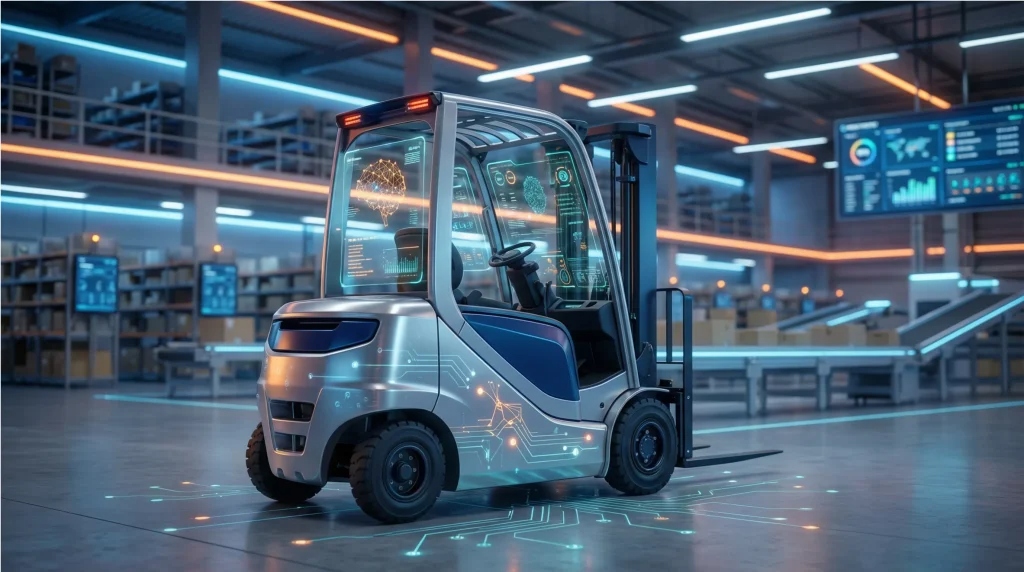
The future of forklifts is being reshaped by automation, sustainability, and intelligent design, promising safer, more efficient material handling across global industries. As warehouses expand and e-commerce demands rise, these vehicles are evolving from simple load movers into sophisticated data-driven assets.
How Automation is Redefining Forklift Operations
Automated guided vehicles (AGVs) and autonomous mobile robots (AMRs) are leading the charge, enabling forklifts to operate without human drivers. These systems use LiDAR, cameras, and advanced software to navigate dynamic warehouse environments, pick up loads, and deliver them precisely. The shift reduces labor costs and minimizes human error, especially in repetitive tasks. Companies like Liftron Material Handling are integrating automation-ready features into their modern forklifts, allowing businesses to scale automation gradually.
Key Automation Trends
- Collision avoidance systems: Real-time sensors prevent accidents near pedestrians and equipment.
- Fleet management software: Cloud-based platforms optimize routes, monitor battery health, and schedule maintenance.
- Remote operation: Operators can control forklifts from control rooms via 5G networks, improving safety in hazardous zones.
Lithium-Ion Batteries: The New Power Standard
Lead-acid batteries are being phased out in favor of lithium-ion technology, which offers faster charging, longer life, and zero maintenance. Lithium-ion forklifts can opportunity-charge during breaks, eliminating battery swapping and reducing downtime. The Liftron DL SERIES exemplifies this evolution, delivering high energy density and consistent performance even in cold storage environments. As battery costs continue to fall, electric forklifts will dominate, with hydrogen fuel cells also emerging for heavy-duty applications.
Internet of Things (IoT) and Predictive Analytics
IoT sensors embedded in forklifts monitor vibration, temperature, and usage patterns. Predictive analytics algorithms use this data to forecast component failures before they cause breakdowns. This shift from reactive to proactive maintenance saves companies thousands in repair costs and extends equipment lifespan. Modern forklifts from Liftron Material Handling come IoT-ready, providing real-time dashboards that show operator behavior, impact events, and energy consumption.
Ergonomics and Operator Safety Enhancements
Future forklifts are designed with advanced seats, intuitive controls, and 360-degree cameras. Assisted steering reduces operator fatigue, while augmented reality overlays guide drivers during pick-and-place tasks. Safety features like automatic speed reduction in narrow aisles and load stability alerts are becoming standard. These improvements not only prevent injuries but also boost productivity, as comfortable operators work faster and more accurately.
Top Safety Innovations
- Proximity warning systems that slow the forklift when workers are near
- Integrated fire suppression for lithium-ion battery packs
- Load hazard detection using weight sensors and image recognition
Environmental Sustainability and Green Logistics
Regulatory pressures and corporate ESG goals are pushing forklift manufacturers to minimize carbon footprints. Electric forklifts produce zero emissions during operation, and their batteries are increasingly recyclable. Some models now use regenerative braking to recapture energy, further improving efficiency. The Liftron DL SERIES contributes to green logistics by eliminating lead-acid recycling challenges and reducing overall energy consumption per pallet moved. Solar-powered charging stations are also being paired with forklift fleets to achieve net-zero operations.
The Rise of Collaborative Forklifts
Unlike fully autonomous systems, collaborative forklifts work alongside human workers, adapting to their pace and assisting with heavy lifting. These machines use smart sensors to detect human intent and adjust movements accordingly. In warehouses where complete automation is not feasible, collaborative forklifts bridge the gap, allowing humans and machines to coexist safely. Liftron Material Handling offers customizable options where manual and autonomous modes can be switched based on task requirements.
Data-Driven Decision Making
Modern forklifts generate terabytes of operational data daily. Fleet managers can analyze this data to identify bottlenecks, optimize warehouse layout, and reduce idle time. Machine learning models predict peak demand periods and pre-position forklifts accordingly. This level of intelligence transforms forklifts from simple tools into strategic assets that directly impact supply chain efficiency.
What to Expect in the Next Decade
The forklift industry is moving toward fully autonomous fleets managed by artificial intelligence. Key milestones include:
| Trend | Expected Timeline | Impact |
|---|---|---|
| Widespread lithium-ion adoption | 2024-2027 | 50% reduction in downtime |
| Autonomous navigation in dynamic environments | 2025-2028 | 30% labor cost savings |
| Full integration with warehouse management systems | 2026-2030 | Real-time inventory visibility |
As hardware costs drop and AI algorithms improve, forklifts will become smarter, cleaner, and more collaborative. Companies that invest now in modern solutions like the Liftron DL SERIES will gain a competitive edge in the rapidly evolving logistics landscape. The future is not just about moving goods—it’s about moving them intelligently.
Add a review
Your email address will not be published. Required fields are marked *