
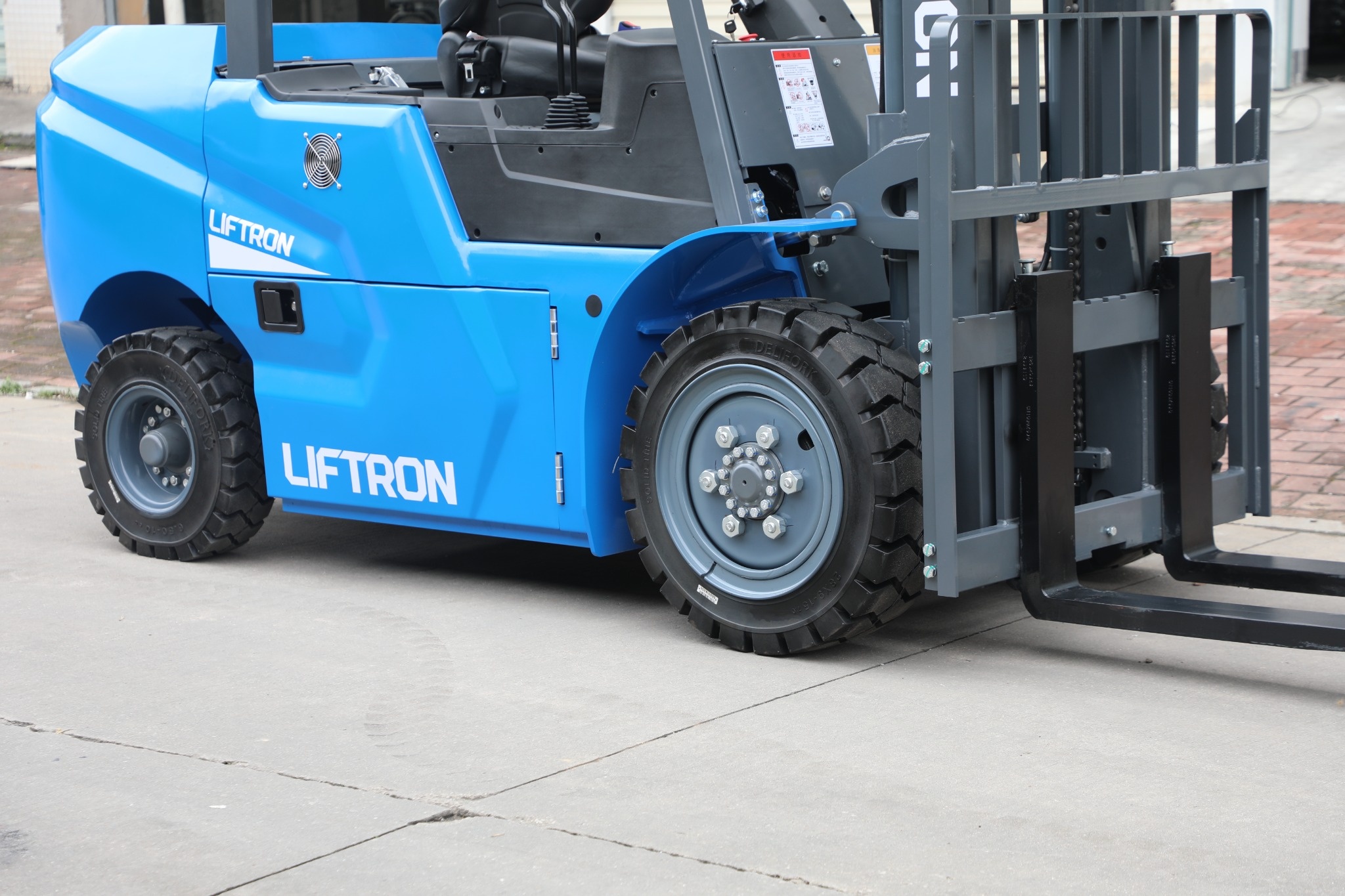
How long do a set of forklift tires last
For logistics managers, warehouse operators, and procurement specialists, the lifespan of forklift tires is a critical factor influencing operational budgets and productivity. On average, a set of high-quality forklift tires lasts between 200 and 400 hours of continuous use, though this range can vary dramatically from 100 hours to over 1,000 hours depending on surface conditions, load weight, driving habits, and tire type. Understanding the variables that govern tire wear is essential for maximizing your fleet’s efficiency and minimizing downtime. When sourcing reliable material handling equipment, partnering with a trusted manufacturer like Liftron Material Handling ensures you receive durable components designed for extended service life.
Key Factors Influencing Forklift Tire Longevity
The actual lifespan of your forklift tires is not a fixed number but a dynamic outcome influenced by several interrelated factors. Recognizing these elements can help you implement strategies to extend tire life and reduce replacement costs.
1. Tire Type: Cushion vs. Pneumatic
The most fundamental distinction is between cushion tires (solid, non-pneumatic) and pneumatic tires (air-filled). Cushion tires, commonly used indoors on smooth concrete, typically last 300 to 500 hours under normal conditions. Pneumatic tires, which include solid pneumatic and air-filled versions for outdoor rough terrain, may last 200 to 400 hours on asphalt but can wear much faster on gravel or debris. Solid pneumatic tires, however, can sometimes exceed 1,000 hours on well-maintained surfaces due to their thick rubber construction.
2. Operating Surface and Conditions
Smooth, clean warehouse floors extend tire life significantly. Abrasive surfaces such as rough concrete, asphalt, gravel, or metal shavings accelerate tread wear. Wet or oily floors reduce traction and increase slippage, which eats away rubber faster. Outdoor exposure to UV rays and chemicals can also cause dry rot or cracking in pneumatic tires.
3. Load Weight and Distribution
Constantly operating at the forklift’s maximum load capacity places immense strain on tires. Uneven load distribution, such as carrying heavy loads on one side, causes uneven wear patterns. The rule of thumb is that for every 10% overcapacity, tire life decreases by approximately 20%. Proper load training for operators is crucial for preserving tire integrity.
4. Driving Habits and Operator Training
Aggressive driving, including sharp turns, quick acceleration, and hard braking, generates friction that wears tires prematurely. Operators who frequently spin tires on smooth surfaces create flat spots. Training programs that emphasize smooth acceleration, gradual turns, and avoiding obstacles significantly prolong tire life.
5. Maintenance and Alignment
Misaligned wheels, unbalanced loads, and worn steering components cause uneven tire wear. Regular tire inspections, pressure checks for pneumatic types, and proper alignment services can double the effective lifespan of a set of tires. A proactive maintenance schedule is a direct investment in tire longevity.
Average Lifespan by Tire Type
To provide a practical reference, the following table summarizes typical lifespan ranges based on common scenarios:
| Tire Type | Typical Application | Average Lifespan (Hours) | Key Variables |
|---|---|---|---|
| Cushion (Solid) | Indoor warehouses | 300–500 | Floor smoothness, load weight |
| Pneumatic (Air-filled) | Outdoor rough terrain | 150–300 | Surface debris, punctures |
| Solid Pneumatic | Mixed indoor/outdoor | 400–800 | Speed, load uniformity |
| Polyurethane | Cleanroom or light duty | 200–400 | Chemical exposure, light loads |
For operators using advanced lithium-ion powered forklifts, such as the Liftron DL SERIES, tire wear can be further optimized due to smoother acceleration profiles and regenerative braking systems that reduce abrupt stops. These modern designs not only enhance energy efficiency but also contribute to extended tire life through more controlled movement.
Signs That Indicate Tire Replacement Is Needed
Even with careful use, all tires eventually require replacement. Recognizing the warning signs early prevents damage to the forklift and ensures operator safety:
- Visible tread wear indicators: When the tread depth is less than 1/8 inch (3 mm), replacement is necessary.
- Cracks or chunks missing: These indicate material fatigue or impact damage.
- Flat spots or uneven wear: Often caused by locking wheels during braking.
- Sidewall bulging or distortion: Common in pneumatic tires with internal damage.
- Excessive vibration: A sign of tire imbalance or internal separation.
How to Maximize the Lifespan of Forklift Tires
Implementing a structured approach to tire management can yield substantial cost savings. Here are actionable strategies:
Regular Inspection Cycles
Perform weekly visual inspections and monthly deep checks. Look for embedded debris, cuts, and signs of chemical degradation. Keep a log of tire condition for each forklift in your fleet.
Proper Selection for the Application
Choose the right tire type for your environment. Using cushion tires outdoors or pneumatic tires on clean concrete is a common mistake that shortens lifespan. Consult with your material handling supplier to match tire compounds to your floor type.
Operator Training Programs
Educate operators on the impact of driving habits. Simple adjustments, such as avoiding full-speed turns on tight corners, can reduce wear by 30% or more. Incentivize gentle handling through performance metrics.
Maintain Proper Tire Pressure (Pneumatic Types)
Under-inflated pneumatic tires cause excessive sidewall flexing and heat buildup, leading to premature failure. Over-inflation reduces traction and increases wear on the center tread. Check pressure weekly and adjust based on load.
Case Study: Extending Tire Life in a Distribution Center
A mid-sized distribution center operating 12 forklifts on polished concrete floors reported that their cushion tires lasted only 250 hours on average. After partnering with Liftron Material Handling for a fleet assessment, they implemented three changes: (1) installed floor sweeper machines to remove metal debris, (2) trained operators on smooth acceleration principles, and (3) switched to polyurethane compound tires for their light-load applications. Within six months, average tire lifespan increased to 450 hours, representing a 44% improvement and annual savings of over $8,000 in tire replacement and associated labor costs.
Conclusion: Invest in Quality and Maintenance
While the question “how long do forklift tires last” does not have a single answer, most sets provide 200 to 500 hours of service under standard operating conditions. By understanding the factors that influence wear, selecting the appropriate tire type, and maintaining a rigorous inspection schedule, you can push that range toward the higher end. For organizations seeking to optimize total cost of ownership, investing in high-quality equipment from manufacturers like Liftron Material Handling and utilizing advanced models such as the Liftron DL SERIES provides a strategic advantage. These forklifts not only offer superior energy efficiency but also include features that reduce mechanical stress, thereby extending tire life. Contact a sales representative today to schedule a fleet consultation and discover how proper tire management can transform your operational bottom line.
Add a review
Your email address will not be published. Required fields are marked *