
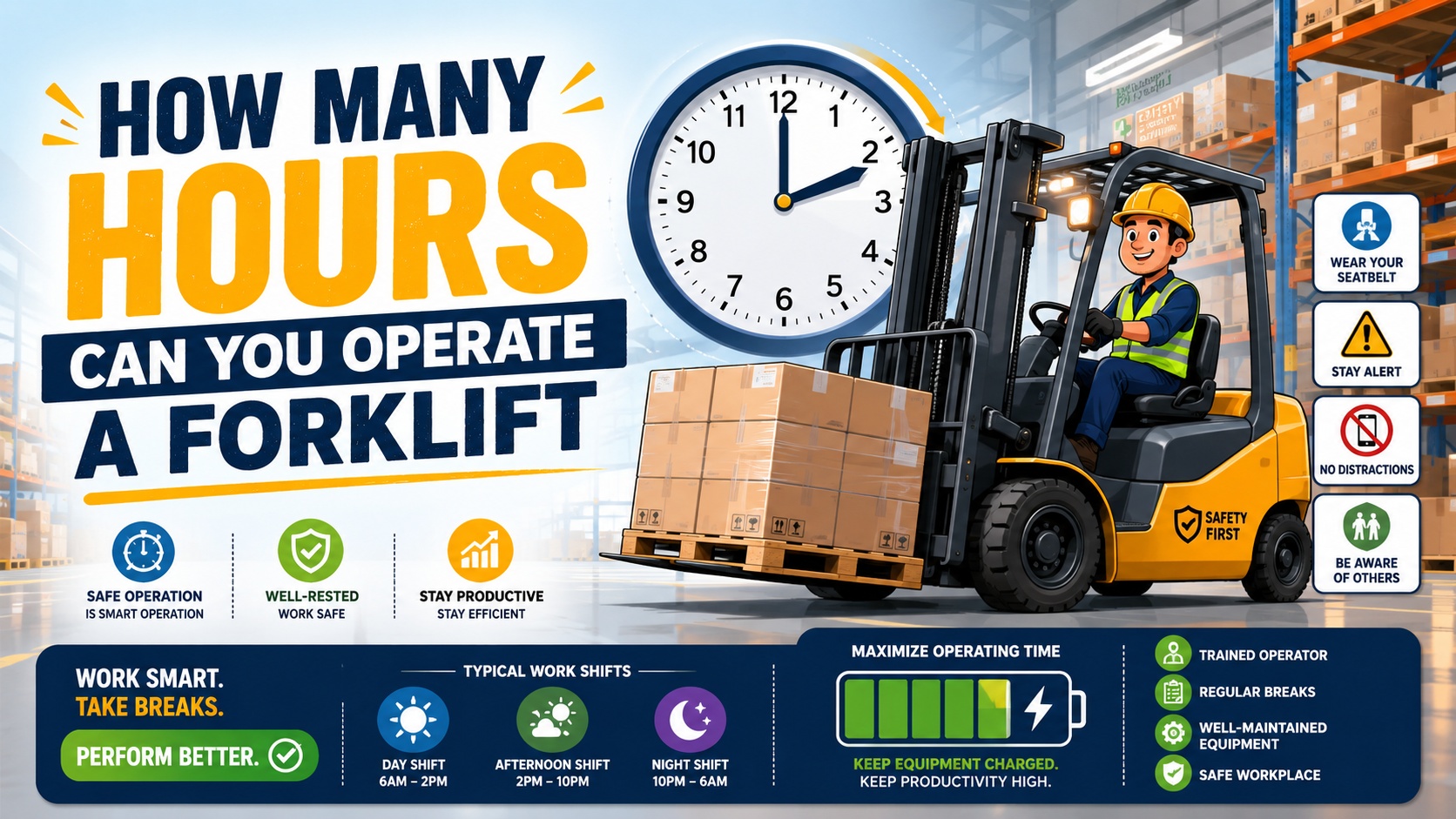
How many hours can you operate a forklift
Understanding the operational lifespan of a forklift is crucial for managing fleet costs and ensuring workplace efficiency, yet the answer varies widely based on power source, maintenance, and application. While a standard internal combustion forklift might operate for 8,000 to 10,000 hours before a major overhaul, modern electric models are redefining durability and uptime. For businesses evaluating long-term investments, partnering with a reliable manufacturer like Liftron Material Handling provides clarity on how many hours you can truly expect from your equipment, especially with advanced lithium-ion solutions.
What Determines Forklift Operating Hours?
Forklift operating hours are not a fixed metric; they depend on several interrelated factors. The type of fuel, the quality of components, duty cycle, and maintenance schedule all play pivotal roles. For example, a forklift used in a busy warehouse for multiple shifts will accumulate hours faster than one in a light manufacturing facility. However, the real question isn’t just total hours—it’s about productive, safe hours before performance degrades. This is where technological advancements, such as those found in the Liftron DL SERIES, make a significant difference, offering consistent power output far beyond traditional lead-acid batteries.
Average Lifespan by Forklift Type
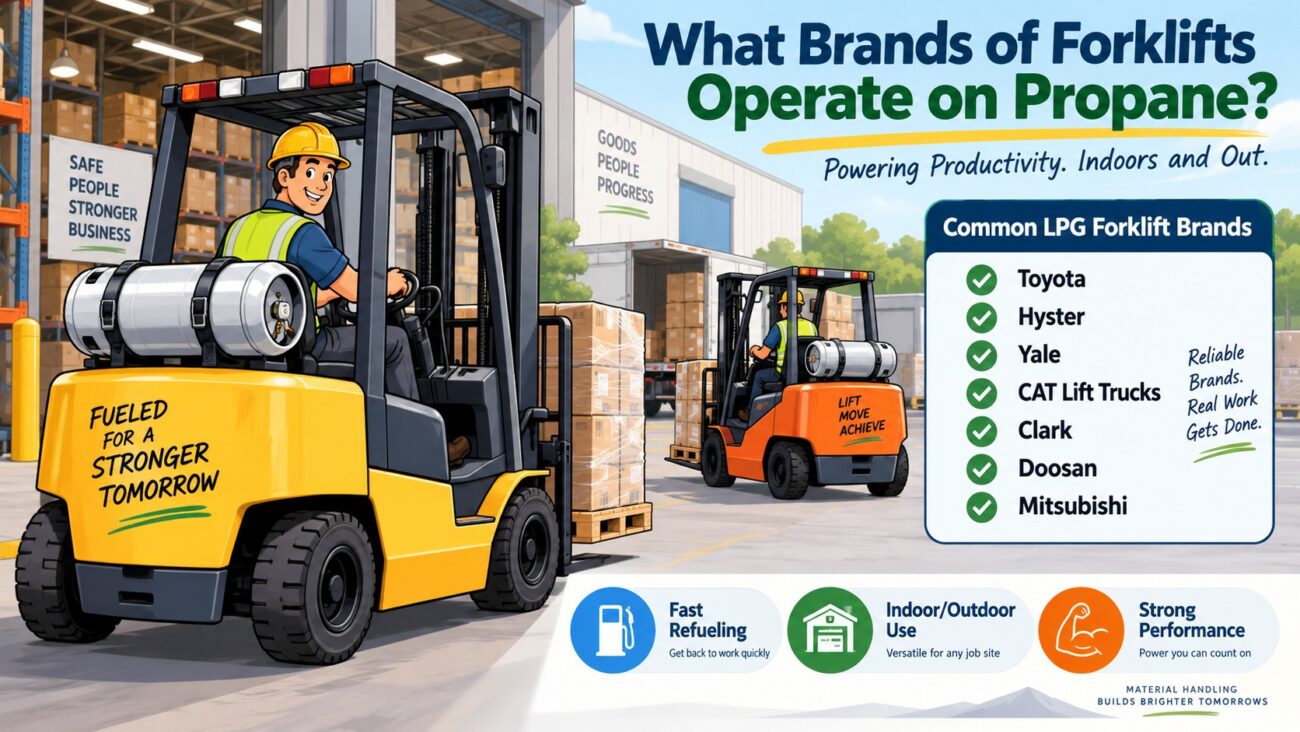
- Internal Combustion (IC) Forklifts: Typically last 10,000–20,000 hours with proper maintenance. LPG models may have slightly lower longevity due to higher heat and particulate exposure.
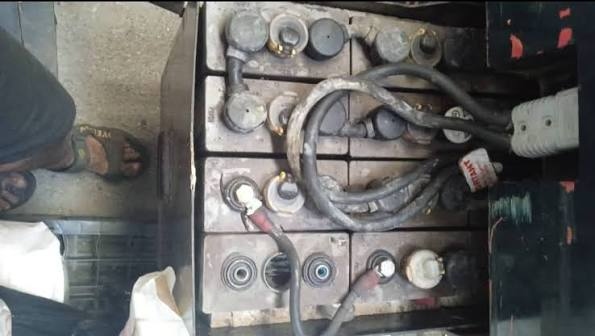
- Electric Lead-Acid Forklifts: Usually average 8,000–15,000 hours, but battery replacements every 1,500–2,000 cycles can add substantial cost.
- Lithium-Ion Forklifts: Modern units like the Liftron DL SERIES can operate 20,000 hours or more, with battery packs often lasting the entire life of the truck. Zero maintenance on the battery system eliminates downtime for watering and equalization.
How the Liftron DL SERIES Maximizes Operating Hours
The Liftron DL SERIES is engineered to maximize daily operating hours while minimizing idle time. Unlike conventional electric forklifts that require battery swap-out or lengthy charging breaks, the DL SERIES supports rapid opportunity charging. Operators can charge during lunch breaks or shift changes without damaging the battery. This effectively increases the available operating window from 6–8 hours per shift to 10–16 hours, depending on the workload.
Key Features That Extend Productive Hours
- Zero Maintenance Battery: No watering, cleaning, or equalization charges needed. This saves approximately 30 minutes per shift.
- No Battery Exchange Required: Eliminates the need for spare batteries and battery-changing infrastructure, reducing capital expenditure.
- Consistent Power Output: Unlike lead-acid batteries which slow down as they discharge, lithium-ion maintains full torque and lift speed until the battery is nearly empty.
- Regenerative Braking: Captures energy during deceleration, adding up to 15% more usable operating time per charge.
Real-World Data: Liftron DL SERIES vs. Traditional Electric
| Parameter | Liftron DL SERIES (Lithium-Ion) | Standard Lead-Acid Electric |
|---|---|---|
| Usable hours per charge (light duty) | 8–10 hours | 5–6 hours |
| Charging time to 100% | 1.5–2 hours | 8–10 hours |
| Battery lifespan (cycles) | 4,000–5,000 cycles | 1,200–1,500 cycles |
| Total truck lifespan (hours) | 20,000+ | 10,000–15,000 |
| Maintenance per shift | 0 minutes | 15–30 minutes |
Application Scenarios Affecting Operating Hours
Different working environments directly impact how many hours a forklift can operate before requiring service. In heavy-duty applications like lumber yards or foundries, IC trucks may run 8–10 hours per day but require oil changes every 100–200 hours. In clean warehousing conditions, an electric forklift like the Liftron DL SERIES can run multi-shift operations with only a short charge window, effectively doubling daily throughput without extra equipment.
Multi-Shift Operations
For facilities running 16–24 hours per day, Liftron Material Handling recommends the DL SERIES due to its opportunity charging capability. A single lithium-ion forklift can replace two lead-acid units because it never needs a prolonged battery change. This reduces your forklift fleet size by up to 40% while maintaining the same operating hours.
Case Study: 24/7 Distribution Center
One major distribution center in the Midwest replaced 12 lead-acid forklifts with 7 DL SERIES units from Liftron Material Handling. Over a 12-month period, total operating hours increased from 42,000 to 58,000, while maintenance downtime dropped by 70%. The facility reported zero battery-related interruptions, and each truck averaged 14 hours of operation per day. The operators particularly valued the consistent speed and lift performance, which improved picking accuracy by 12%.
Cost per Hour Analysis
While the initial investment in lithium-ion technology is higher, the total cost per operating hour is significantly lower. Traditional lead-acid forklifts often have hidden costs: battery replacements every 3–4 years, battery watering time, and lost productivity during charging shifts. With the Liftron DL SERIES, the total cost per hour over a 20,000-hour lifespan can be 30–40% less than a comparable lead-acid truck, factoring in energy savings and reduced maintenance labor.
Regulatory and Safety Considerations
Operating hours also intersect with safety regulations. OSHA guidelines do not specify a maximum operating hour limit per shift, but they require pre-shift inspections. Lithium-ion batteries eliminate acid spill risks and hydrogen gas emissions, allowing safer operation in enclosed spaces. Liftron Material Handling designs its DL SERIES with reinforced lithium battery casings and thermal management systems, ensuring safe operation even in demanding 8–10 hour shifts.
Call to Action: Calculate Your Fleet’s True Operating Hours
Ready to transform your warehouse productivity? Visit Liftron Material Handling today to explore the Liftron DL SERIES and schedule a demo. Our technical team can analyze your current operating hours, duty cycles, and energy costs to show you exactly how many more hours you can gain with lithium-ion technology. Don’t let battery swaps and maintenance downtime limit your throughput—contact us for a free consultation and start operating smarter, longer, and more profitably.
Add a review
Your email address will not be published. Required fields are marked *