
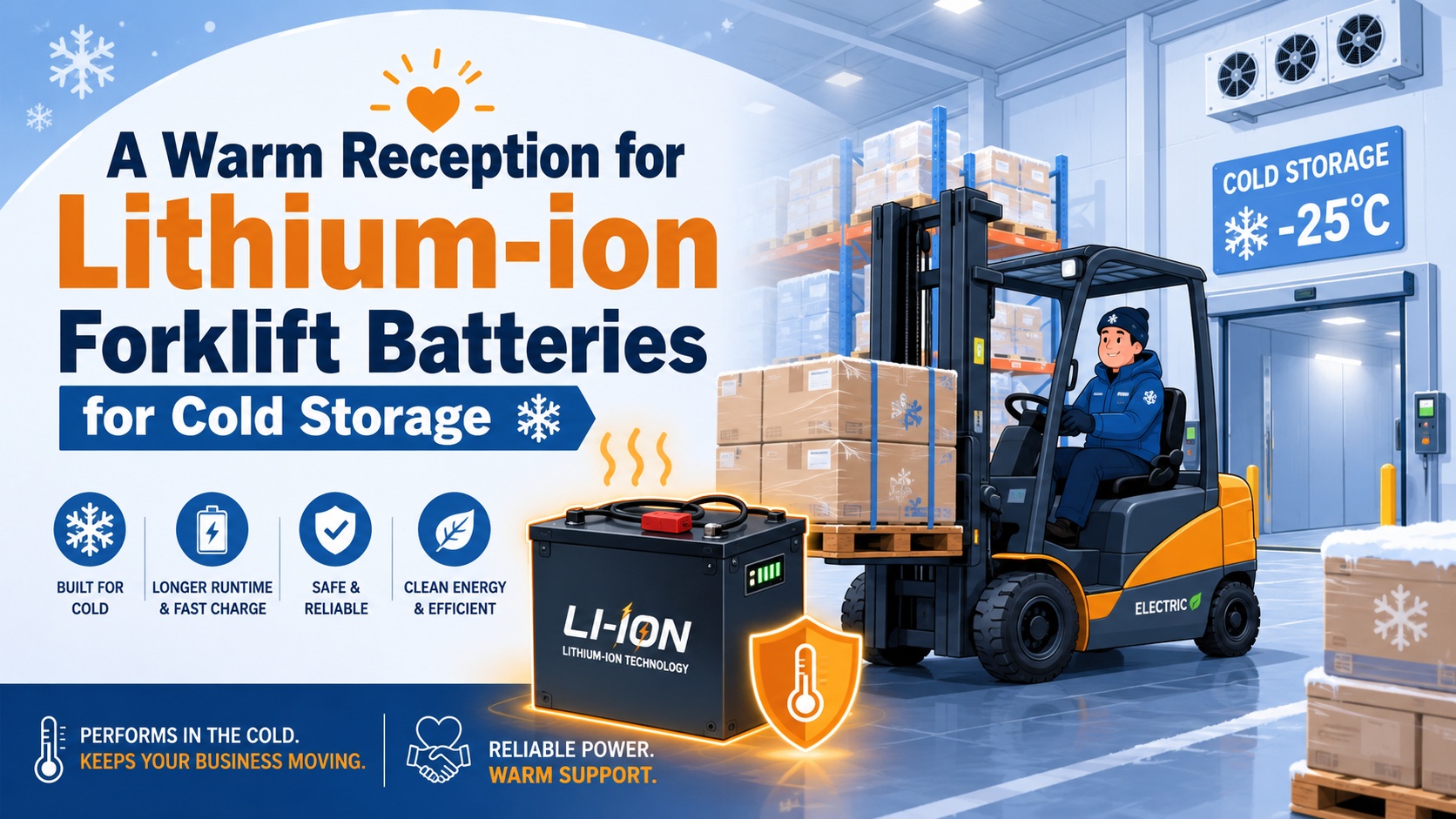
A Warm Reception for Lithium-Ion Forklift Batteries for Cold Storage
Quick Answer: Lithium-ion forklift batteries are transforming cold chain logistics by reducing the rapid power loss, long charging delays, and shortened service life often associated with traditional lead-acid batteries. With advanced Battery Management Systems, smart heating options, and sealed designs, lithium-ion batteries can support stronger performance in refrigerated and freezer warehouse environments.
Cold storage warehouses are among the most demanding environments for forklift fleets. Operators must move products quickly through refrigerated rooms, freezer zones, dock areas, and temperature-controlled aisles while maintaining food safety, inventory accuracy, and high throughput. In these environments, battery performance is not just a convenience. It directly affects productivity, shift planning, and operating cost.
Traditional lead-acid batteries often struggle in cold environments because low temperatures slow chemical reactions, reduce usable capacity, and increase charging challenges. For facilities that depend on fast pallet movement, this can lead to sluggish performance, shorter runtime, and more frequent battery changes. That is why many cold chain operations are taking a closer look at Lithium-ion forklift batteries as a practical upgrade.
For companies using a liftron forklift, lithium-ion power can support cleaner operation, reduced routine maintenance, and more efficient material handling in demanding warehouse conditions.
Why Cold Storage Is Hard on Forklift Batteries
Cold storage creates several battery-related problems. Low temperatures can reduce available power, slow charging, increase internal resistance, and shorten usable runtime. Moisture and condensation can also create corrosion risks, especially when equipment moves between warm dock areas and freezer zones.
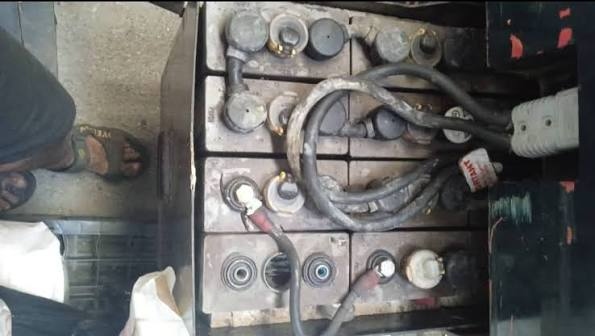
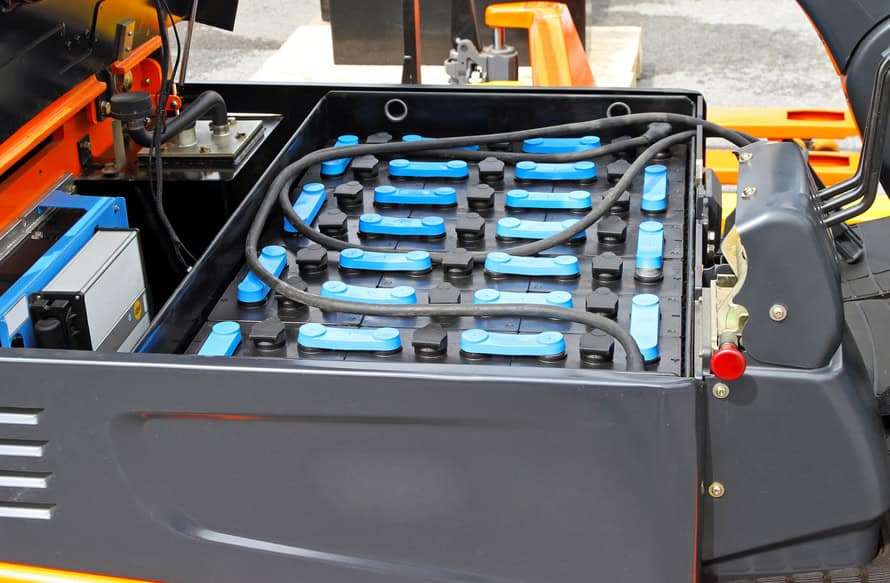
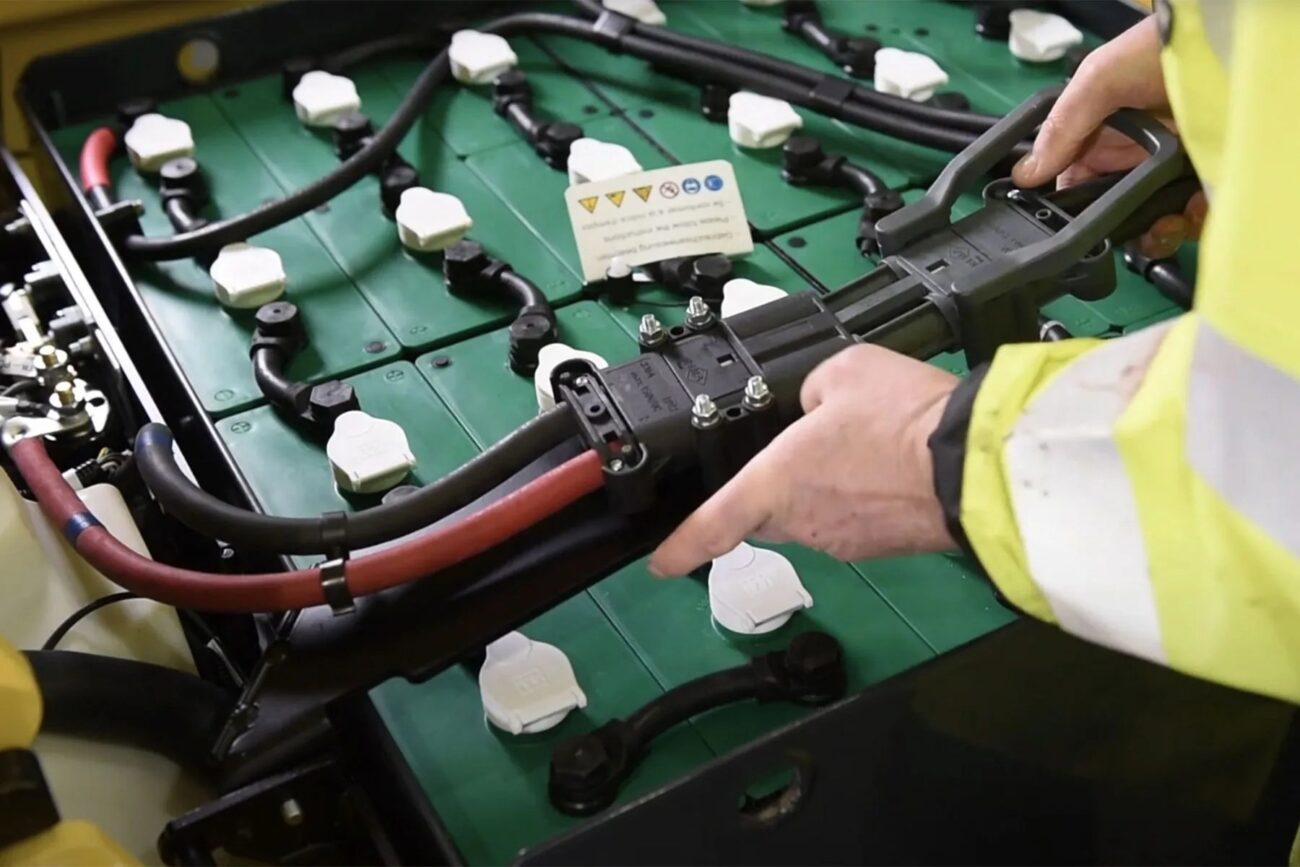
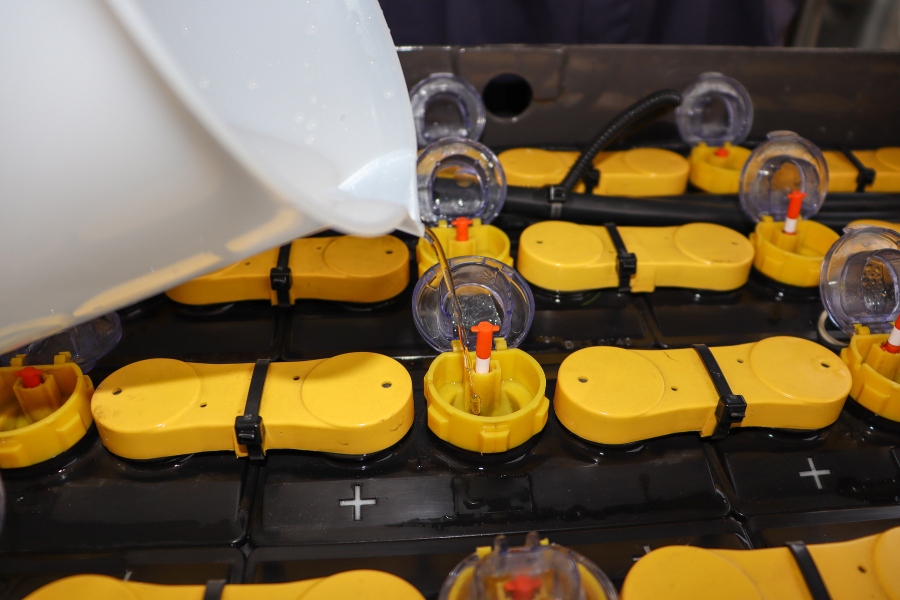
In traditional lead-acid systems, cold temperatures may reduce performance and make battery management more labor-intensive. Operators may need to swap batteries, maintain watering schedules, clean acid residue, and manage charging rooms. These tasks can consume labor and floor space that could otherwise support production or storage.
Key Takeaway: Cold storage operations need batteries that deliver reliable voltage, resist moisture-related issues, and support fast charging without constant battery swapping.
Key Advantages of Lithium-Ion Batteries in Cold Storage
Consistent Power Delivery
One of the biggest benefits of lithium-ion technology is consistent power delivery. Unlike lead-acid batteries, which may experience more noticeable voltage drop as they discharge, lithium-ion batteries are designed to maintain steadier output during operation. This helps forklift operators maintain better travel speed, lifting response, and productivity throughout the shift.
In cold storage, that consistency is especially valuable. A forklift that loses power too quickly can slow order picking, dock loading, replenishment, and pallet movement.
Opportunity Charging
Opportunity charging allows operators to plug in the battery during breaks, lunches, shift changes, or short downtime periods. This is a major advantage for cold storage facilities that operate long shifts or high-throughput schedules. Instead of removing and swapping heavy batteries, the forklift can be charged in shorter intervals.
For refrigerated warehouses, this can simplify fleet management and reduce the need for extra batteries, battery rooms, and battery handling equipment.
No Battery Swapping
Battery swapping is labor-intensive and can create safety risks. It requires dedicated equipment, space, trained employees, and careful handling. Lithium-ion systems can reduce or eliminate the need for regular battery changes, helping operators stay focused on moving products instead of managing batteries.
On-Board Climate Control
Some lithium-ion forklift battery systems may include integrated heating or temperature management features. These systems help keep the battery within a more suitable operating range in refrigerated or deep-freeze environments. In some specialized cold storage applications, smart heating systems can support battery performance even at very low temperatures.
Moisture Protection
Cold storage creates condensation when forklifts move between temperature zones. Lithium-ion battery packs are often designed as sealed systems with electronic protection through the Battery Management System. This can help reduce maintenance concerns related to moisture, corrosion, and acid residue.
Pro Tip: If your forklifts frequently move between freezer rooms and warmer dock areas, ask about battery sealing, connector protection, charging temperature limits, and condensation management.
What Temperature Is Too Cold for Lithium Batteries?
The answer depends on the specific battery design, chemistry, Battery Management System, and whether the battery includes heating or cold-weather protection. Many lithium-ion batteries should not be charged below freezing unless they are specifically designed with low-temperature charging protection or integrated heating.
Operating temperature and charging temperature are not always the same. A lithium battery may be able to discharge in cold conditions, but charging it in extreme cold without protection can damage the cells. In deep-freeze environments, facilities should choose a battery system specifically rated for cold storage use and follow the manufacturer’s temperature limits.
Some advanced lithium-ion forklift batteries are built for refrigerated and freezer applications and may include smart heaters and BMS controls to maintain safe operation in low temperatures. For demanding conditions such as deep-freeze temperatures down to around -30°C, always confirm that the exact battery model is rated for that environment.
Important Reminder: Never assume all lithium batteries are freezer-ready. Always check the manufacturer’s operating and charging temperature specifications before using lithium-ion power in cold storage.
Step-by-Step Guide for Using Lithium-Ion Forklifts in Cold Storage
- Check temperature ratings: Confirm the battery’s approved operating and charging temperature range before placing it in freezer service.
- Review BMS protections: Make sure the Battery Management System protects against low-temperature charging, over-discharge, overcurrent, and thermal issues.
- Plan charging locations: Set up safe charging points where temperature, ventilation, access, and workflow support efficient opportunity charging.
- Inspect connectors: Check cables, plugs, seals, and terminals regularly for moisture, corrosion, ice, or physical damage.
- Manage condensation: Reduce repeated temperature shock when possible and inspect equipment after moving between warm and cold zones.
- Train operators: Teach drivers how cold affects battery performance, charging rules, warning lights, and proper shutdown procedures.
Does the Liftron Forklift Use Lithium-Ion Batteries?
Yes. The liftron forklift product lineup uses lithium-ion batteries across its models. This makes Liftron Forklift a practical option for businesses seeking electric material handling equipment with simplified daily maintenance and efficient power delivery.
Lithium-ion power can reduce the routine maintenance associated with lead-acid batteries, such as watering, acid cleanup, and frequent battery swapping. For warehouses, logistics centers, and cold chain operations, this can help improve uptime and make fleet management easier.
Before choosing any liftron forklift for refrigerated or freezer applications, confirm the exact cold storage requirements, battery rating, charger setup, runtime needs, and service support. Proper equipment matching is essential for safe and reliable performance.
Conclusion
Lithium-ion forklift batteries are receiving a warm reception in cold storage because they help solve common battery challenges: power loss, long charging cycles, maintenance demands, battery swapping, and moisture-related concerns. With smart BMS protection, opportunity charging, and cold-weather design options, lithium-ion power can support better throughput in refrigerated warehouses.
For companies operating cold chain facilities, switching to Lithium-ion forklift batteries can improve productivity, reduce maintenance, and simplify daily operations. A liftron forklift using lithium-ion power can be a strong fit when the battery system is properly matched to the facility’s cold storage environment.
Add a review
Your email address will not be published. Required fields are marked *