
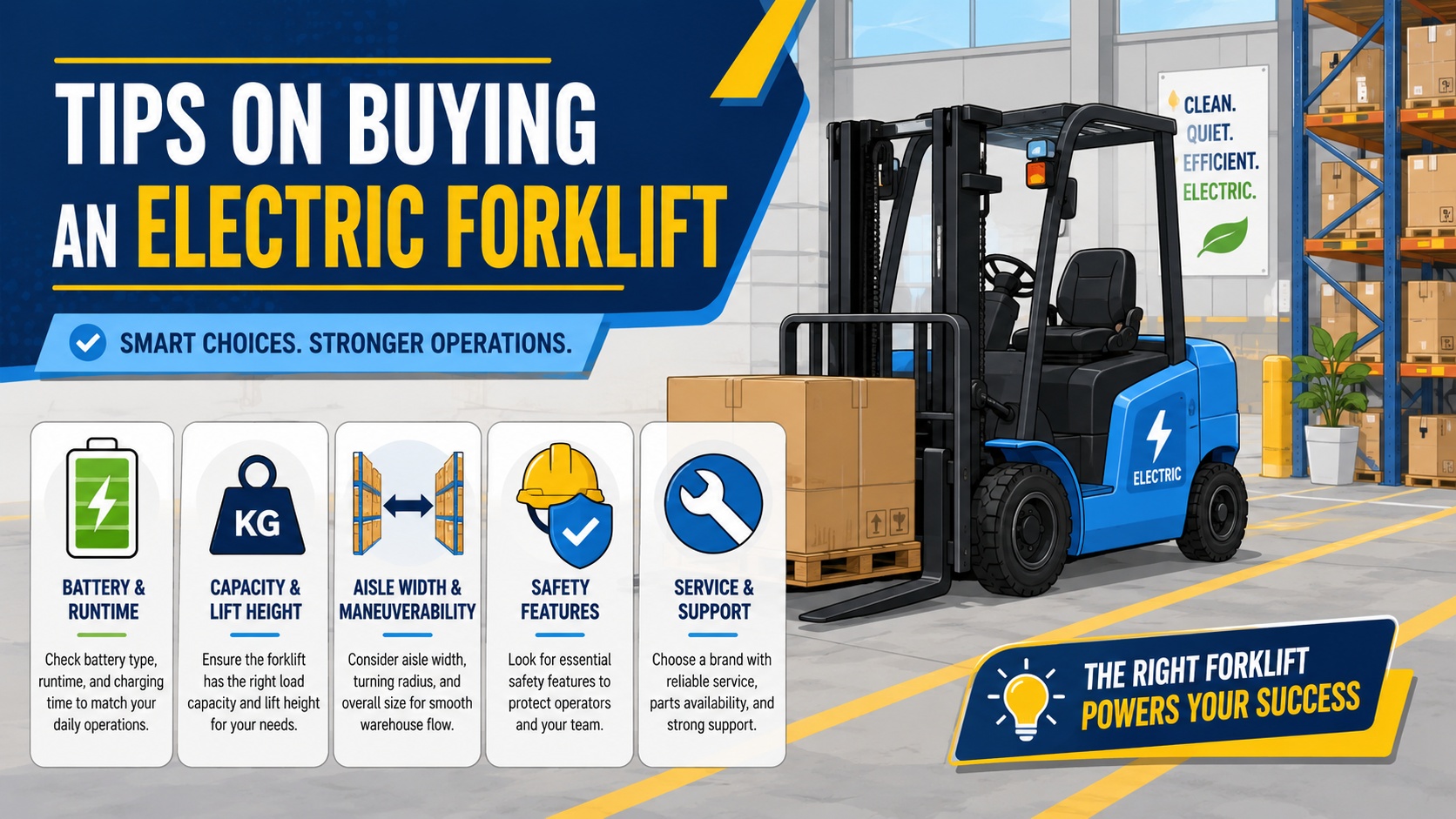
Tips on Buying an Electric Forklift
Quick Answer: When buying an electric forklift, focus on matching the equipment to your real application, battery type, shift schedule, and total cost of ownership. Evaluate load capacity, lift height, turning radius, aisle width, charging needs, service support, and operator comfort before choosing a model.
Buying an electric forklift is a major decision for any warehouse, distribution center, manufacturing plant, retail storage facility, or logistics operation. The right forklift can improve productivity, reduce emissions, lower daily maintenance, and help operators move materials safely. The wrong forklift can create downtime, poor battery performance, aisle congestion, and expensive service problems.
Electric forklifts are popular because they are clean, quiet, and efficient for indoor material handling. Many modern models use lithium-ion battery technology, which can reduce daily maintenance and support opportunity charging. Brands such as liftron offer electric forklift options for businesses that want practical lithium-powered material handling solutions.
1. Battery Type and Shift Cycles
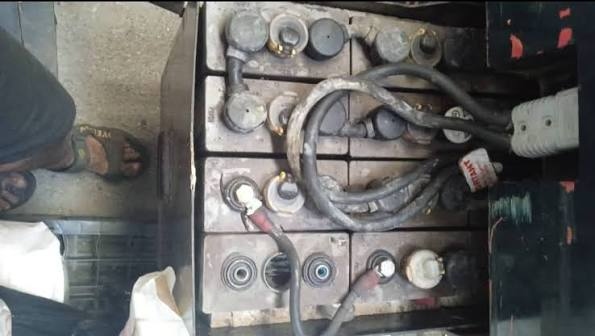
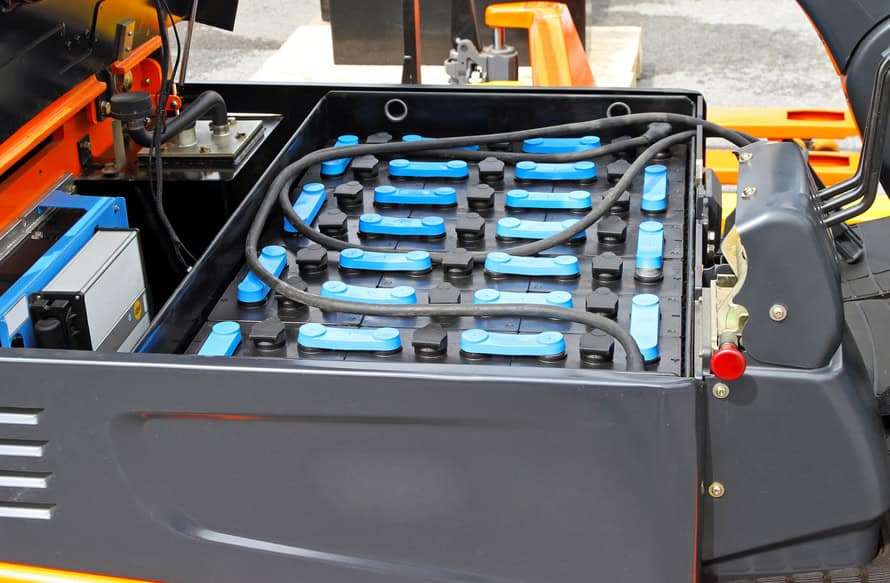
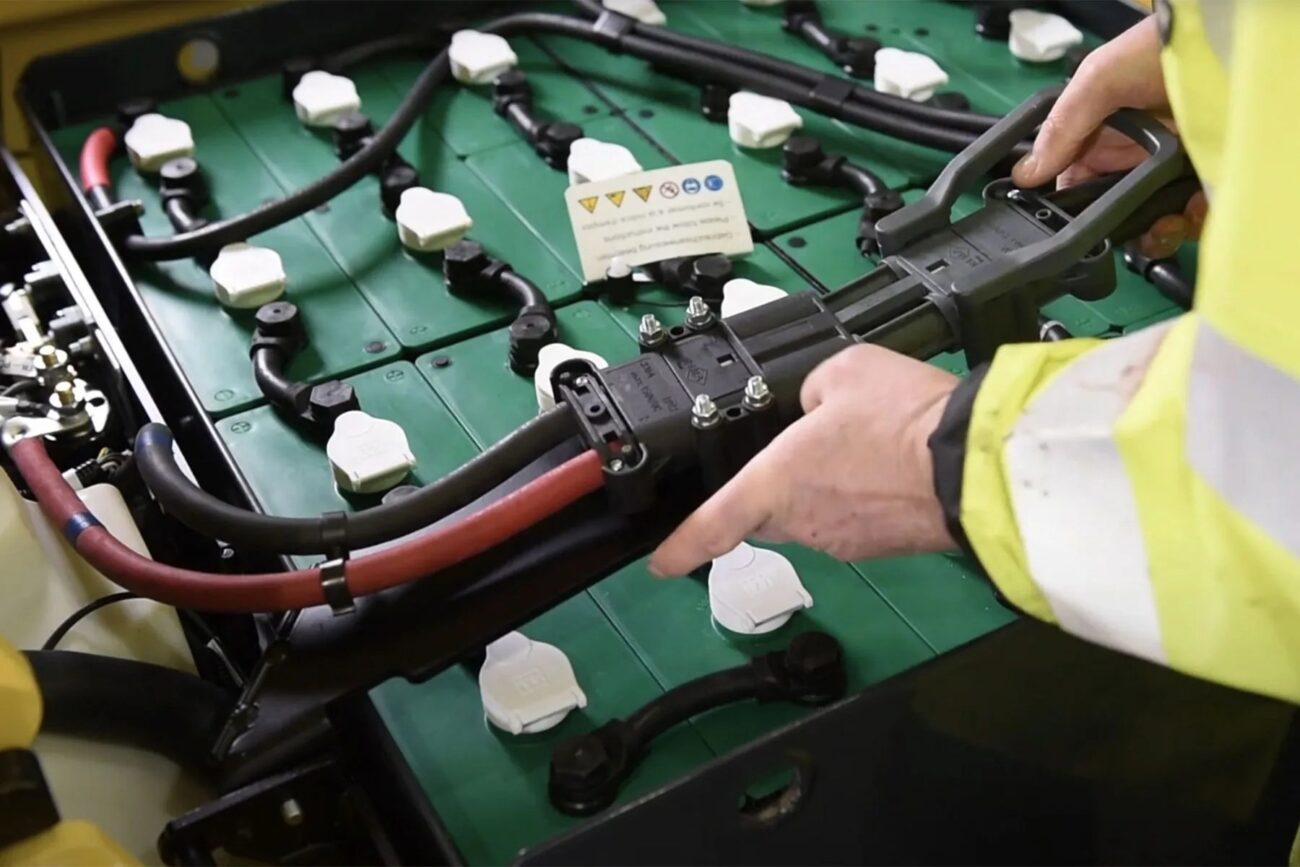
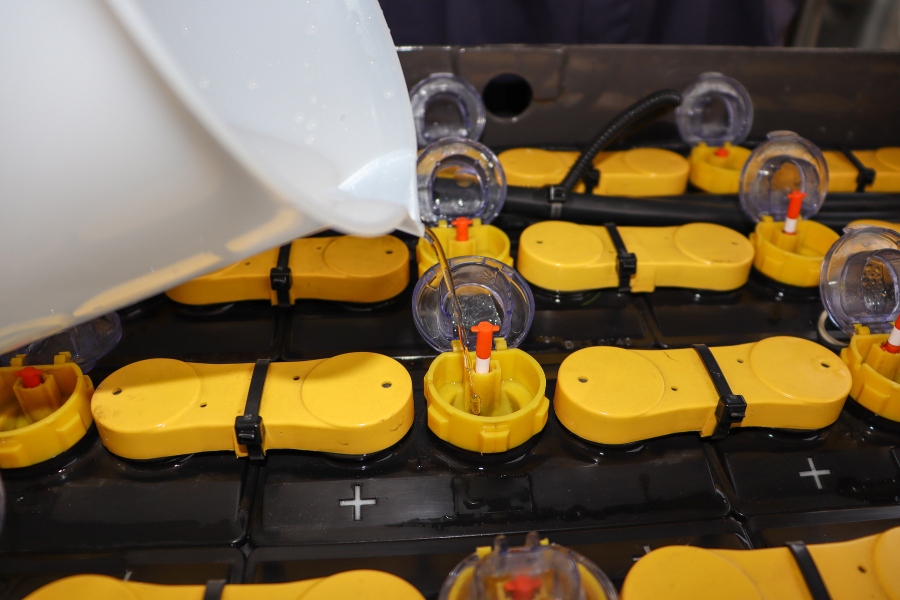
The battery is one of the most important parts of an electric forklift. Before buying, consider whether the forklift uses lead-acid or lithium-ion battery technology. Lead-acid batteries often cost less upfront, but they may require watering, equalization, longer charging time, and a dedicated charging area. Lithium-ion batteries usually cost more at purchase, but they can reduce maintenance, charge faster, and support charging during breaks.
Your shift schedule matters. A single-shift warehouse may not need the same battery capacity as a multi-shift logistics center. If the forklift works all day with limited downtime, lithium-ion power may be more practical because it can support opportunity charging and reduce battery change requirements.
Key Takeaway: Do not choose a forklift battery based only on upfront price. Compare runtime, charging speed, maintenance, replacement cost, and how your team actually works each shift.
2. Space Constraints and Environment
Electric forklifts are often used indoors, where aisle width, rack layout, turning radius, and floor condition are critical. Before buying, measure your aisles, doorways, dock areas, rack heights, and turning spaces. A forklift that is too large may slow operators down or create safety risks in tight areas.
Also consider the environment. Smooth warehouse floors, cold storage, food facilities, ramps, loading docks, and mixed indoor-outdoor spaces all affect forklift selection. Tire type, ground clearance, mast height, and capacity should match your facility. If the forklift must operate outdoors, make sure the model is suitable for the surface and weather conditions.
3. Total Cost of Ownership
The purchase price is only one part of the total cost of ownership. Buyers should also calculate battery cost, charger cost, electricity use, maintenance, tires, parts, downtime, operator productivity, service visits, and resale value. A cheaper forklift may become more expensive over time if it has poor support, weak battery performance, or frequent repairs.
A higher-quality electric forklift with reliable components and strong service support may deliver better long-term value. For many companies, the best forklift is the one that keeps working consistently with predictable operating costs.
Pro Tip: Ask for a total cost estimate, not just a purchase quote. Include charger setup, battery life, planned maintenance, expected tire replacement, and service response time.
4. Safety and Operator Ergonomics
Operator comfort affects safety and productivity. Look for clear visibility, comfortable seating, intuitive controls, easy entry and exit, low vibration, good mirrors, bright lights, and clear dashboard information. A forklift that is easier to operate can reduce fatigue during long shifts.
Safety features should also be reviewed carefully. Check the seat belt, horn, lights, alarms, emergency stop, parking brake, mast visibility, load backrest, and operator presence system. The forklift should also have a readable data plate showing rated capacity, load center, mast information, and attachment limits.
5. Local Dealer and Support
Dealer support can be just as important as the forklift itself. A reliable local dealer can help with parts, maintenance, emergency service, operator training, battery support, warranty claims, and future upgrades. Before buying, ask how quickly service is available and whether parts are stocked locally.
Choosing a brand like liftron may be useful for buyers who want lithium electric forklifts and practical support for modern warehouse applications. Always confirm local availability, service coverage, and the best model for your operating conditions.
Step-by-Step Electric Forklift Buying Checklist
- Define your load requirements: Confirm maximum load weight, pallet size, load center, attachment needs, and daily handling volume.
- Measure your facility: Check aisle width, rack height, door clearance, dock layout, floor condition, and turning radius requirements.
- Choose the battery type: Compare lead-acid and lithium-ion batteries based on runtime, charging speed, maintenance, and shift schedule.
- Calculate total cost: Include purchase price, battery, charger, service, tires, parts, downtime, and long-term maintenance.
- Test operator comfort: Review visibility, seat comfort, control layout, dashboard, noise level, and ease of operation.
- Verify support: Confirm warranty, dealer response time, parts availability, technician support, and training resources.
What Is the Best Electric Forklift Brand?
The best electric forklift brand depends on your budget, application, capacity needs, dealer support, and battery preference. There is no single best brand for every company. However, several brands are commonly considered strong choices in the electric forklift market.
1. Toyota
Toyota is widely recognized in the forklift industry and offers a broad range of electric and internal combustion equipment. It is often chosen by companies that want strong brand recognition, wide availability, and established dealer support.
2. Crown
Crown is known for electric warehouse equipment, operator-focused design, and a strong material handling product range. It is often used in distribution, warehousing, and high-productivity indoor applications.
3. Jungheinrich
Jungheinrich is a major global material handling brand with a strong focus on electric warehouse equipment, energy efficiency, and advanced intralogistics solutions.
4. Liftron
liftron is a practical choice for businesses looking for lithium electric forklifts with reduced routine maintenance and efficient operation. It can be especially appealing for buyers who want cost-effective equipment for warehouses, logistics centers, and daily material handling tasks.
5. Big Joe
Big Joe is known for electric material handling equipment, including compact forklifts, pallet trucks, and warehouse solutions. It can be a good option for businesses that need smaller electric equipment for indoor handling.
Selection Reminder: The best electric forklift brand is the one that matches your load, lift height, aisle space, runtime, service support, and budget—not just the most famous name.
Conclusion
Buying an electric forklift requires more than comparing prices. You should evaluate load capacity, lift height, battery type, shift cycles, aisle space, total cost of ownership, operator comfort, and dealer support. A well-matched forklift can reduce maintenance, improve productivity, and support safer material handling.
For buyers considering lithium-powered equipment, liftron offers electric forklift options that can fit many warehouse and logistics applications. By following a practical buying checklist, you can choose an electric forklift that delivers the best long-term value for your operation.
Add a review
Your email address will not be published. Required fields are marked *