
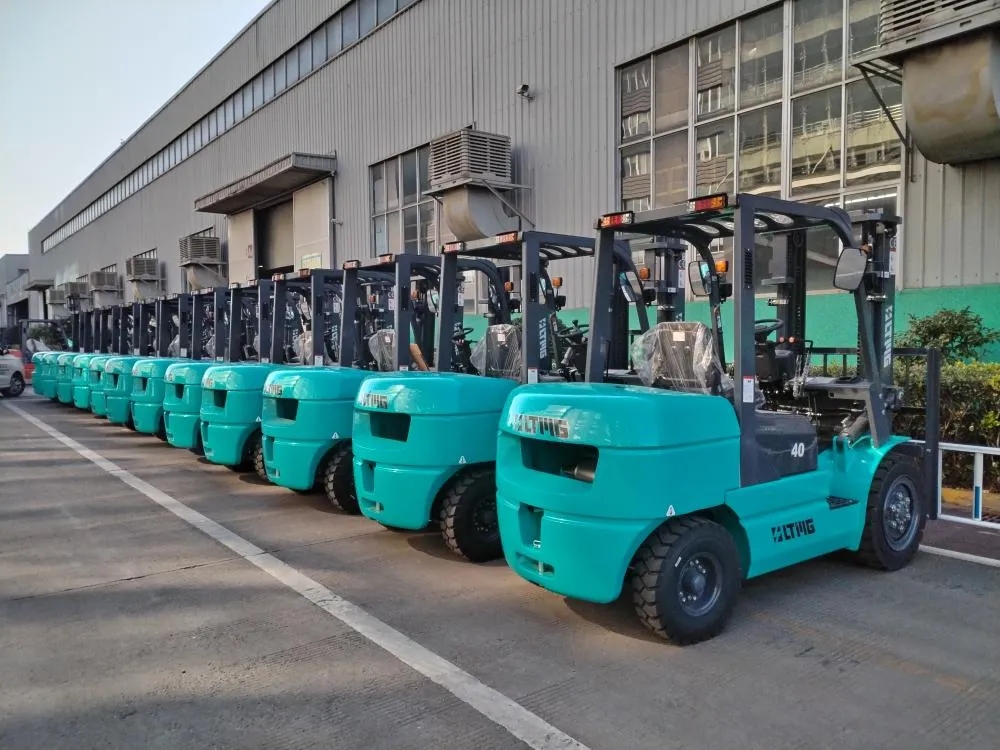
when parking a forklift what is the safest procedure
Properly parking a forklift is not merely a procedural checkbox; it is a critical safety measure that prevents injuries, equipment damage, and costly downtime. In busy industrial environments, especially those using advanced equipment like the Liftron Material Handling series, mastering the safest parking procedure is essential for every operator. This guide outlines the definitive steps to ensure your forklift is secured correctly at the end of every shift or break.
Understanding the Risks of Improper Parking
Neglecting correct parking procedures can lead to catastrophic results. A forklift left on an incline with the forks raised presents a tip-over hazard. Furthermore, a parked forklift with the engine running and the key accessible invites unauthorized use. Statistics from industrial safety boards consistently show that “struck-by” and “run-over” incidents often occur during parking and shutdown moments. Implementing a consistent, safe procedure eliminates these variables.
The 10-Step Parking Procedure
Follow this sequential checklist every time you pause operation. This process applies universally to counterbalance, reach, and pallet trucks, including lithium-ion models like the Liftron DL SERIES.
- Step 1 – Find Level Ground: Always park on a flat, solid surface. Avoid gradients, slopes, or soft terrain. If no level ground exists, chock the wheels securely.
- Step 2 – Lower the Forks: Fully lower the mast until the forks or attachment rests flat on the ground. Tilting the mast slightly forward once the forks touch the floor provides additional stability.
- Step 3 – Neutral and Park Brake: Place the transmission in neutral, then engage the parking brake firmly. Test the brake by gently releasing the foot brake to ensure the truck does not roll.
- Step 4 – Turn Off the Engine: Turn the key to the OFF position and remove it. For electric models like the Liftron DL SERIES, press the emergency disconnect switch or disable the controller.
- Step 5 – Neutralize Controls: Ensure all hydraulic levers, tilt controls, and auxiliary functions are in their neutral or detent positions.
- Step 6 – Secure the Area: If parking in a designated zone, ensure the space is clear of obstructions, debris, or pedestrians. Forklift paths must remain unobstructed for emergency vehicles.
- Step 7 – Chock Wheels (If Required): On any incline or where regulations mandate, place wheel chocks behind and in front of the tires.
- Step 8 – Safe Disembarkation: Exit the forklift using the three-point contact method (two hands, one foot or two feet, one hand). Face the truck when stepping down.
- Step 9 – Visual Inspection: Walk around the truck. Check for fluid leaks, damaged tires, or exposed wires. Report any anomalies to your supervisor immediately.
- Step 10 – Document & Report: Sign the daily operator checklist. Note the time and location of parking.
Special Considerations for Lithium-Ion Forklifts
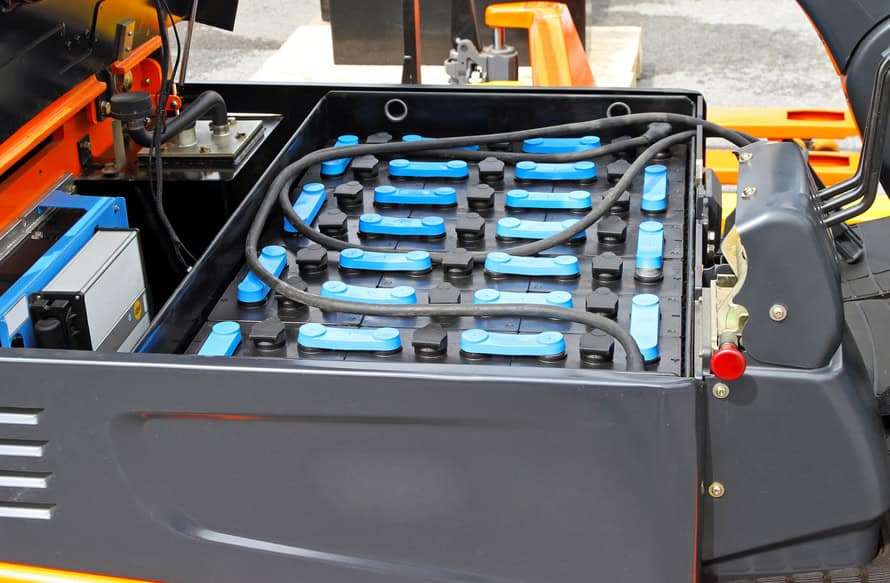
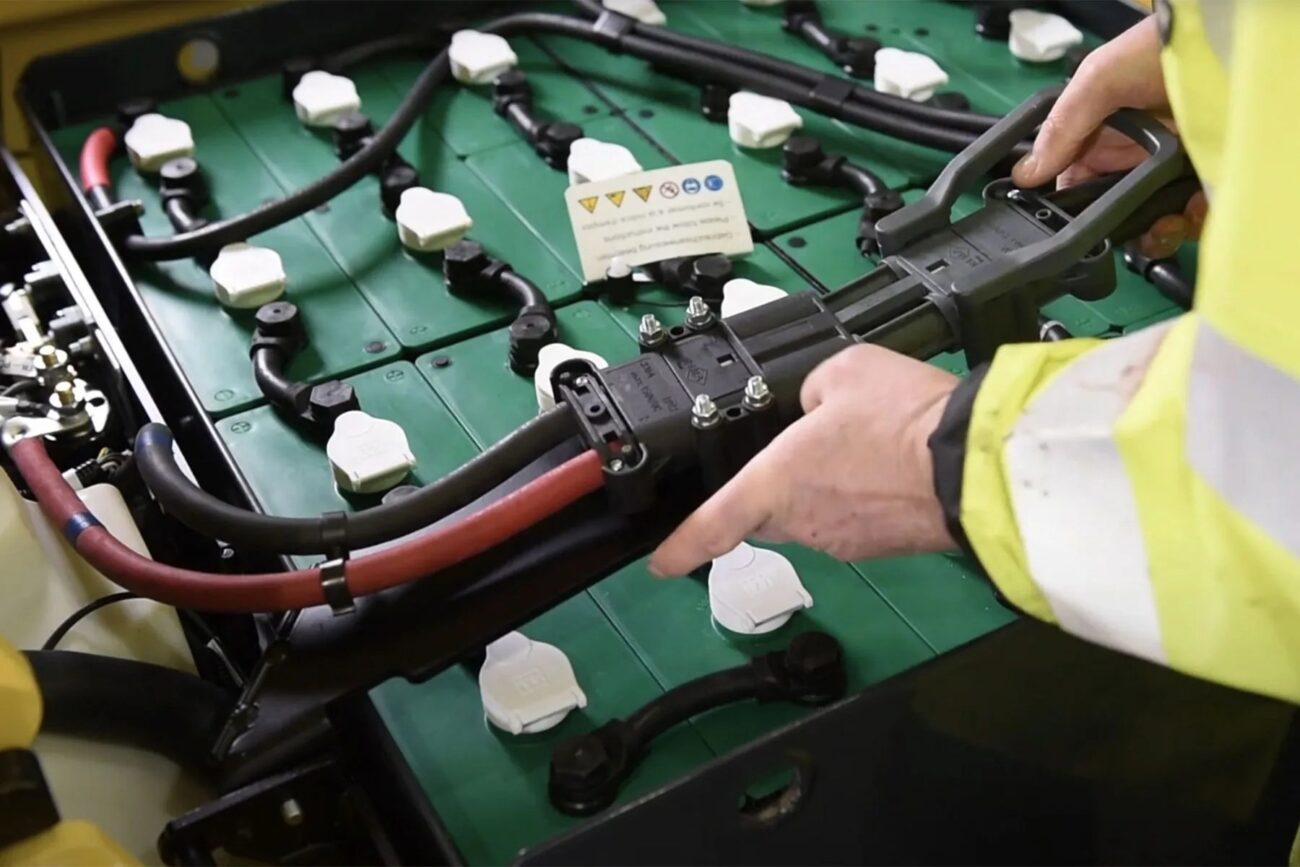
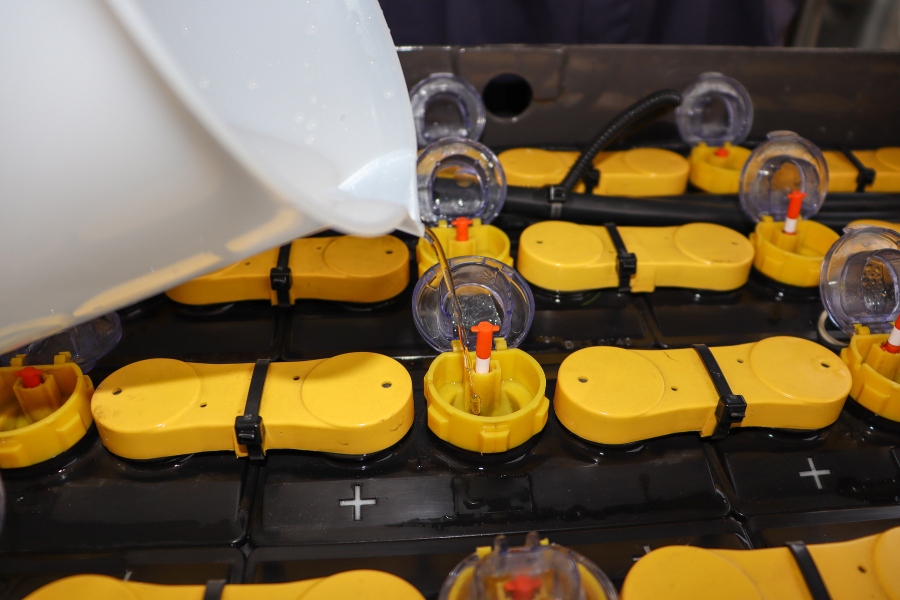
Modern electric forklifts, particularly the Liftron DL SERIES, require specific parking protocol. Unlike lead-acid batteries, lithium-ion packs do not require watering or equalization charging. However, parking procedure must still disconnect the high-voltage bus. Always engage the emergency stop button (E-stop) before leaving the truck to de-energize the electrical system. This prevents any parasitic drain and ensures the battery management system (BMS) can safely monitor the pack during idle periods.
Common Mistakes and How to Avoid Them
Even experienced operators occasionally cut corners. Here are the three most frequent errors:
| Mistake | Risk | Correct Action |
|---|---|---|
| Parking with forks raised | Trip hazard, tip-over if struck | Lower forks fully to ground before stopping |
| Leaving engine running | Gas buildup, battery discharge, theft | Always turn off ignition & remove key |
| Ignoring wheel chocks | Vehicle rollaway on slight grade | Use chocks per site policy, even on flat ground |
Why Standardization Matters for Your Fleet
When every operator follows the same parking protocol, your facility reduces incident rates and lowers maintenance costs. A standardized procedure ensures that the next operator finds the machine in a neutral, safe state. For distributors and end-users working with Liftron Material Handling equipment, training consistency across all shifts is non-negotiable. The result is a safer work environment and extended service life for your assets.
Implementing a Training Program
To embed the safe parking procedure into daily operations:
- Visual Aids: Place laminated step-by-step cards on each forklift dashboard.
- Hands-On Drills: Conduct quarterly skill verification where operators demonstrate parking sequence.
- Accountability Checklists: Use a digital log that requires confirmation of parking steps before shift end.
Conclusion: Safety as a Culture
Parking a forklift might seem mundane, but it is the final and most critical action of every operation. By adopting the 10-step procedure, customizing it for modern lithium-ion electrics like the Liftron DL SERIES, and reinforcing discipline through training, you build a culture of safety that protects people, product, and equipment. Remember: a correctly parked forklift is a safe forklift. Make this procedure a non-negotiable standard in your facility today. For further guidance on fleet optimization or to explore our range of industrial vehicles, visit Liftron Material Handling.
Add a review
Your email address will not be published. Required fields are marked *