
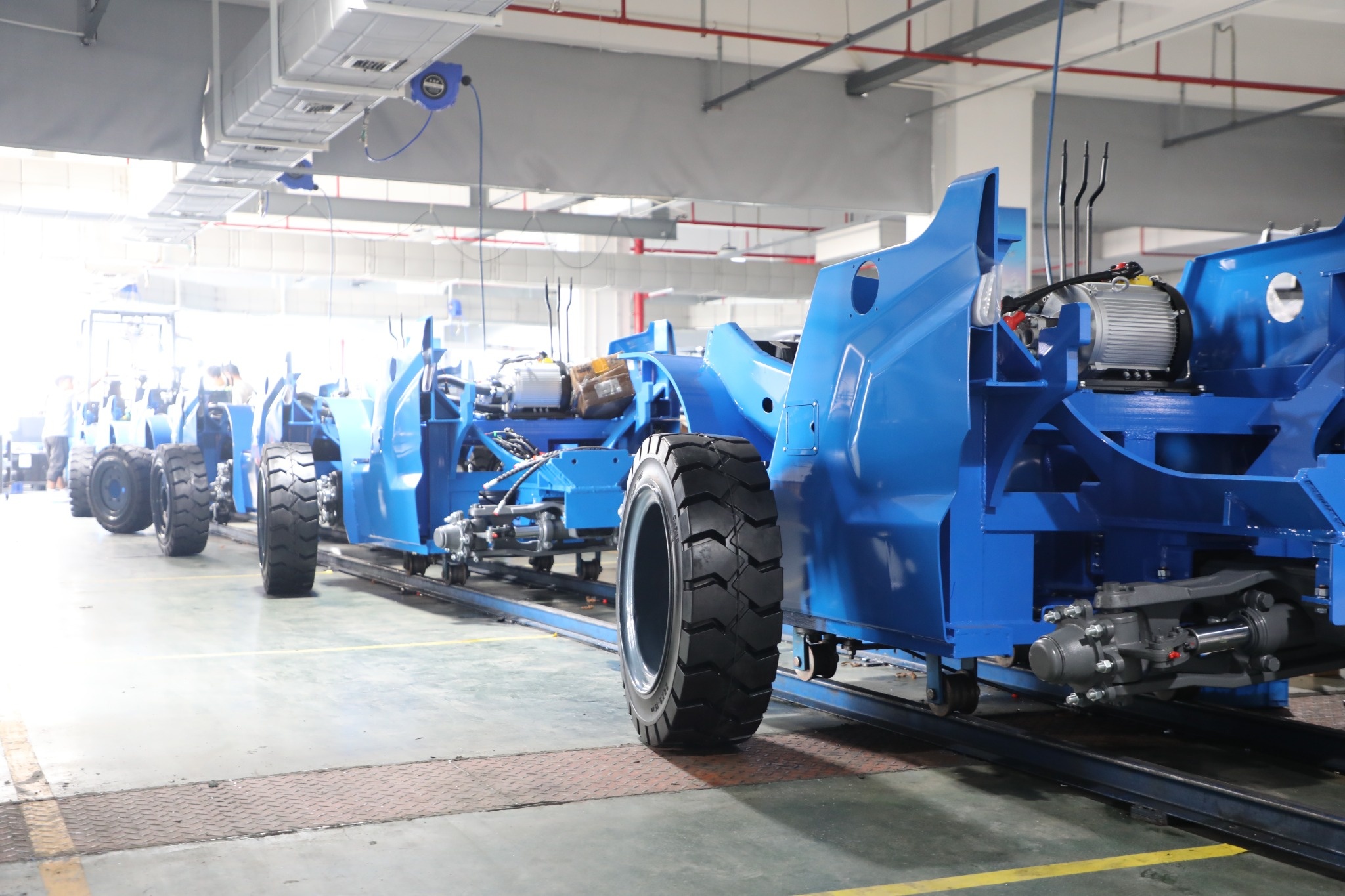
Where are liftron forklifts made
Liftron forklifts are manufactured in Xiamen, China, while maintaining strong distribution and support operations throughout the United States. With warehouses located in California, Texas, and Florida, Liftron provides fast delivery, localized service, and reliable parts support for customers across North America.
Where Are Liftron Forklifts Manufactured?
One of the most common questions buyers ask is: “Where are Liftron forklifts made?” The answer is straightforward. Liftron forklifts are produced in Xiamen, China, a city recognized as one of the country’s leading manufacturing and export hubs.
Xiamen has developed a strong reputation for industrial equipment manufacturing, advanced production facilities, and global logistics capabilities. Many internationally recognized material handling products are manufactured in this region due to its skilled workforce, mature supply chain, and commitment to quality control.
Although production takes place overseas, Liftron has established a significant presence in the United States. This allows the company to provide customers with the advantages of global manufacturing while maintaining local inventory, support, and service.
Liftron’s U.S. Distribution Network
To better serve customers across North America, Liftron Material Handling operates multiple distribution and logistics warehouses in strategic locations throughout the United States.
- California Warehouse – Supports customers throughout the West Coast.
- Texas Warehouse – Provides efficient access to central and southern markets.
- Florida Warehouse – Serves customers throughout the Southeast and East Coast.
This nationwide distribution strategy helps reduce shipping times, improve equipment availability, and ensure faster access to replacement parts when needed.
For businesses that rely heavily on forklifts for daily operations, having local inventory and support can significantly reduce downtime and improve productivity.
Why Manufacturing Location Matters
When evaluating forklift brands, many buyers consider where the equipment is manufactured. Manufacturing location can affect pricing, supply chain efficiency, parts availability, and overall value.
Modern forklift manufacturers often utilize global production networks to balance quality and cost-effectiveness. Chinese manufacturing facilities have made substantial investments in automation, engineering, and quality assurance systems over the past decade.
As a result, many businesses find that forklifts manufactured in China can provide competitive performance and reliability while maintaining attractive pricing compared to some traditional brands.
Liftron’s Focus on Quality and Innovation
Liftron continues to invest in modern forklift technology designed to meet the evolving needs of warehouses, manufacturing facilities, distribution centers, and retail operations.
One example is the Liftron DL SERIES, which features advanced lithium-ion battery technology. Compared with traditional internal combustion forklifts, lithium-powered equipment offers several benefits:
- Reduced maintenance requirements
- Zero emissions during operation
- Faster charging capabilities
- Lower operating costs
- Improved energy efficiency
- Quieter workplace environments
These advantages have contributed to the growing popularity of electric forklifts across multiple industries.
Industries That Use Liftron Forklifts
Liftron forklifts are suitable for a wide range of applications. Businesses in various industries use forklifts daily to improve material handling efficiency.
Common industries include:
- Warehousing and logistics
- Manufacturing facilities
- Retail distribution centers
- Construction material suppliers
- Food and beverage operations
- E-commerce fulfillment centers
- Agricultural businesses
The versatility of modern forklift designs allows businesses to select equipment that matches their specific operational requirements.
How to Choose the Right Forklift
Selecting the right forklift is just as important as choosing the right brand. Businesses should evaluate several factors before making a purchasing decision.
1. Choose a Forklift Based on the Working Environment
The operating environment is often the most important consideration.
For indoor warehouses, electric forklifts are usually the preferred option because they produce no emissions and operate quietly. For outdoor applications involving rough surfaces or heavy-duty lifting, internal combustion models may still be suitable.
Factors to evaluate include:
- Indoor or outdoor operation
- Aisle width
- Load weight requirements
- Lift height requirements
- Operating hours per day
- Floor conditions
Matching the forklift to the work environment helps maximize productivity and reduce operating costs.
2. Compare Brands and Overall Value
Forklift pricing varies significantly between brands. While established global manufacturers often command premium pricing, newer and emerging brands may offer competitive alternatives with strong value propositions.
For example, Liftron Material Handling provides modern material handling solutions designed to balance performance, reliability, and affordability.
The company’s Liftron DL SERIES is designed for a wide variety of applications and offers the benefits of advanced lithium-ion technology. This makes it suitable for warehouses, logistics centers, manufacturing facilities, and many other working environments.
When comparing forklift brands, buyers should consider:
- Purchase price
- Warranty coverage
- Parts availability
- Dealer support
- Operating costs
- Battery technology
- Long-term reliability
3. Rent for Short-Term Needs, Buy for Long-Term Use
The length of equipment usage should influence whether a business rents or purchases a forklift.
If a forklift is needed only for a temporary project, seasonal demand, or short-term operational increase, renting can be a cost-effective solution.
However, businesses that require forklifts regularly often benefit more from purchasing equipment. Ownership provides long-term cost savings, greater operational flexibility, and eliminates ongoing rental expenses.
Many companies calculate their expected usage over several years before deciding which option delivers the best return on investment.
The Growing Demand for Lithium-Ion Forklifts
The forklift industry is experiencing a significant shift toward lithium-ion technology. Businesses are increasingly looking for equipment that reduces maintenance, improves uptime, and supports sustainability initiatives.
Lithium-ion forklifts can often be opportunity charged during breaks, eliminating the need for battery swapping in many applications. This helps improve operational efficiency while reducing labor costs associated with battery management.
As more companies modernize their fleets, lithium-powered models such as the Liftron DL SERIES continue to gain attention from warehouse operators and logistics professionals.
Conclusion
Liftron forklifts are manufactured in Xiamen, China, while benefiting from a robust U.S. distribution and support network that includes warehouses in California, Texas, and Florida. This combination enables customers to access competitively priced equipment backed by localized service and parts availability.
When selecting a forklift, businesses should carefully evaluate their operating environment, compare brands based on total value rather than purchase price alone, and determine whether renting or buying best fits their operational needs. By considering these factors, companies can choose a forklift solution that improves productivity, reduces costs, and supports long-term growth.
Add a review
Your email address will not be published. Required fields are marked *