
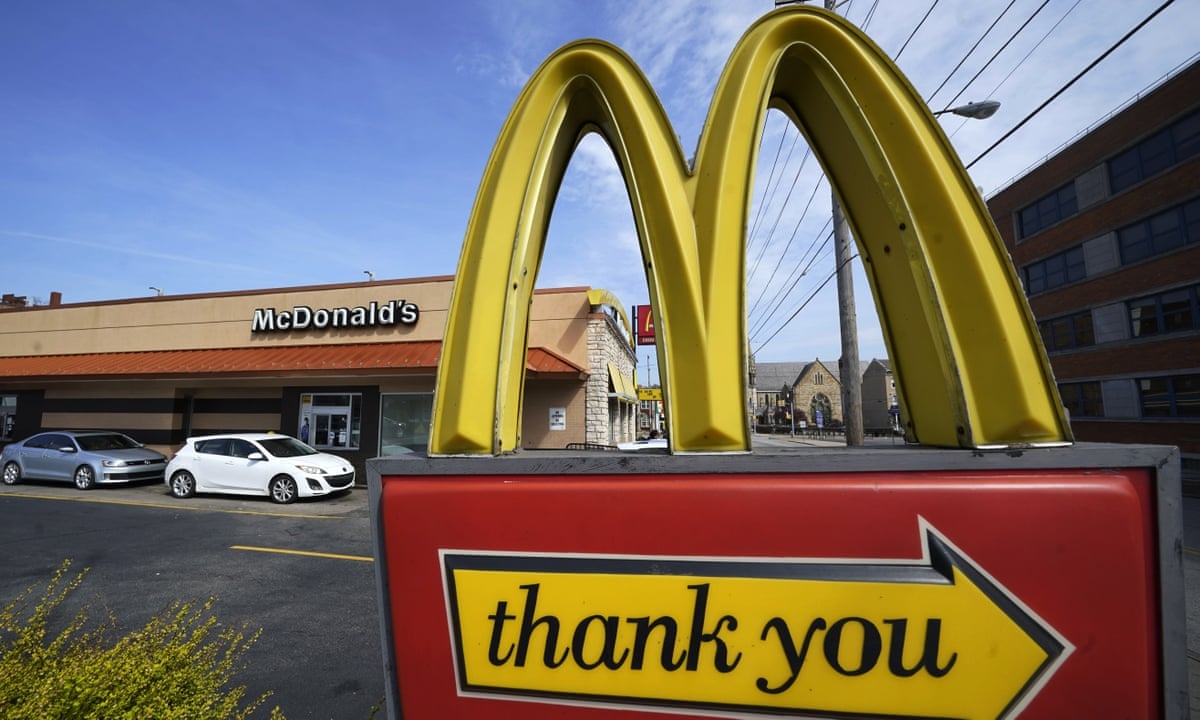
Are Golf Carts Allowed in the Drive-Thru at McDonald’s?
Golf carts are usually not allowed in McDonald’s drive-thru lanes because of safety, liability, and vehicle detection concerns.
Many people who live in golf cart-friendly communities wonder whether they can take a golf cart through the McDonald’s drive-thru. It may seem convenient, especially in resort areas, retirement communities, beach towns, or neighborhoods where golf carts are commonly used for short trips. However, in most cases, McDonald’s drive-thru lanes are intended for fully enclosed, road-legal motor vehicles such as cars, SUVs, vans, and trucks. Golf carts are generally not considered appropriate vehicles for drive-thru service because they create safety, liability, and operational issues.
The simple answer is that McDonald’s locations typically do not allow golf carts in their drive-thru lanes. While exact enforcement can vary by location, franchise policy, local law, and employee judgment, the safest assumption is that a golf cart should not be used in the drive-thru. The drive-thru area is designed around standard passenger vehicles, not open-air carts or small low-speed vehicles.
What Is the McDonald’s Drive-Thru Rule?
The general McDonald’s drive-thru rule is that service windows are reserved for motor vehicles that can safely move through the drive-thru lane and interact with employees at the service window. In practical terms, this usually means cars, trucks, vans, and other enclosed road vehicles. McDonald’s generally does not serve pedestrians, bicycles, scooters, or open-vehicle riders through the drive-thru window.
This rule exists for safety and liability reasons. A drive-thru lane is an active traffic area. Vehicles enter, stop, move forward, turn, and exit in a narrow space. Employees are trained to serve customers through windows at a certain vehicle height and distance. A golf cart does not always match that design. It may sit lower, be more exposed, and be harder for employees to serve safely.
Because many McDonald’s restaurants are independently owned and operated by franchisees, local policies may differ slightly. Some locations in golf cart-heavy areas may have special parking, curbside pickup, or community-specific practices. However, customers should not assume that golf carts are allowed in the drive-thru unless the restaurant clearly permits it.
Why Golf Carts Aren’t Allowed in McDonald’s Drive-Thrus
1. Safety and Liability Concerns
The biggest reason golf carts are not usually allowed in drive-thru lanes is safety. Drive-thrus are designed for larger, enclosed vehicles. Cars and trucks provide a protective structure around the driver and passengers. Golf carts are open-air vehicles, which means riders are more exposed to moving traffic, sudden stops, bumps, and close contact with other vehicles.
If a car behind a golf cart rolls forward unexpectedly, even at low speed, the risk of injury may be greater than it would be in a standard enclosed vehicle. A golf cart also may not have the same braking power, lighting, mirrors, seat belts, or safety equipment required for road use in every area. For a restaurant operator, serving golf carts at the drive-thru could create unnecessary liability if an accident occurs.
2. Drive-Thru Lanes Are High-Traffic Zones
McDonald’s drive-thru lanes can become busy, especially during breakfast, lunch, dinner, and late-night hours. Vehicles move through the lane in a controlled sequence, and employees expect customers to follow the flow of traffic. Golf carts may move more slowly, accelerate differently, or create confusion for other drivers.
In addition, many drive-thru lanes have tight turns, curbs, menu boards, bollards, and narrow spaces. These areas are built for standard vehicles, not necessarily for golf carts. A cart may fit physically, but that does not mean it is safe or permitted.
3. Vehicle Sensors May Not Detect Golf Carts
Another practical issue is the drive-thru detection system. Many McDonald’s drive-thru lanes use hidden sensors in the pavement to detect when a vehicle arrives at the order speaker. These sensors may be magnetic, pressure-based, or loop-style detection systems. They help alert employees that a customer is waiting to place an order.
Because golf carts are lighter and smaller than cars, they may not always trigger the sensor properly. If the system does not detect the cart, employees may not know someone is waiting. This can delay service, disrupt the ordering process, or create confusion in the lane. Even if a golf cart can physically enter the drive-thru, the technology may not be designed to recognize it reliably.
4. Pedestrian and Open-Vehicle Policies
McDonald’s generally avoids serving pedestrians or open-vehicle riders at drive-thru windows. This is not just a convenience issue; it is a safety rule. A person standing or sitting exposed in a drive-thru lane is more vulnerable than someone inside a car. Even bicycles and scooters are often refused for similar reasons.
Golf carts fall into a gray area because they are motorized vehicles, but they are still open and may not be street legal in every location. In some areas, driving a golf cart on public roads, entering commercial traffic areas, or operating it under the influence of alcohol can result in traffic violations or DUI charges. Local laws matter, and customers should always follow them.
The Best Alternative: Park and Pick Up Your Food
If you are visiting McDonald’s in a community where golf carts are common, the best approach is simple: park the cart in a designated parking space and go inside the restaurant. This avoids the safety risks of the drive-thru and makes it easier for employees to serve you properly.
Another good option is to use the McDonald’s App. Many locations offer mobile ordering, curbside pickup, or in-store pickup. With curbside pickup, you can place your order on the app, park in a marked pickup space, and wait for an employee to bring the order to you. This is often the most convenient solution for golf cart users because it avoids the drive-thru lane while still allowing quick service.
Can Local Rules Make a Difference?
Yes, local rules can make a difference. Some cities and communities allow street-legal golf carts or low-speed vehicles on certain roads. These carts may have headlights, brake lights, turn signals, mirrors, seat belts, license plates, and insurance. However, even if a golf cart is street legal, that does not automatically mean McDonald’s must allow it in the drive-thru.
Private businesses can set safety rules for their own property. A McDonald’s location may still choose to restrict drive-thru access to enclosed vehicles only. When in doubt, call the restaurant or check posted signs before entering the drive-thru lane.
Conclusion
So, are golf carts allowed in the drive-thru at McDonald’s? In most cases, no. McDonald’s drive-thru lanes are generally reserved for fully enclosed, road-legal motor vehicles. Golf carts create concerns related to safety, liability, vehicle sensors, and open-vehicle service policies. The better option is to park your cart in a designated space and either walk inside or use the McDonald’s App for curbside or pickup service.
For golf cart owners, the key is to prioritize safety and follow both local laws and restaurant rules. While golf carts are convenient for short-distance travel, they are not usually the right choice for drive-thru lanes designed for standard automobiles.
Add a review
Your email address will not be published. Required fields are marked *