what is the average price of a forklift​

what is the average price of a forklift​

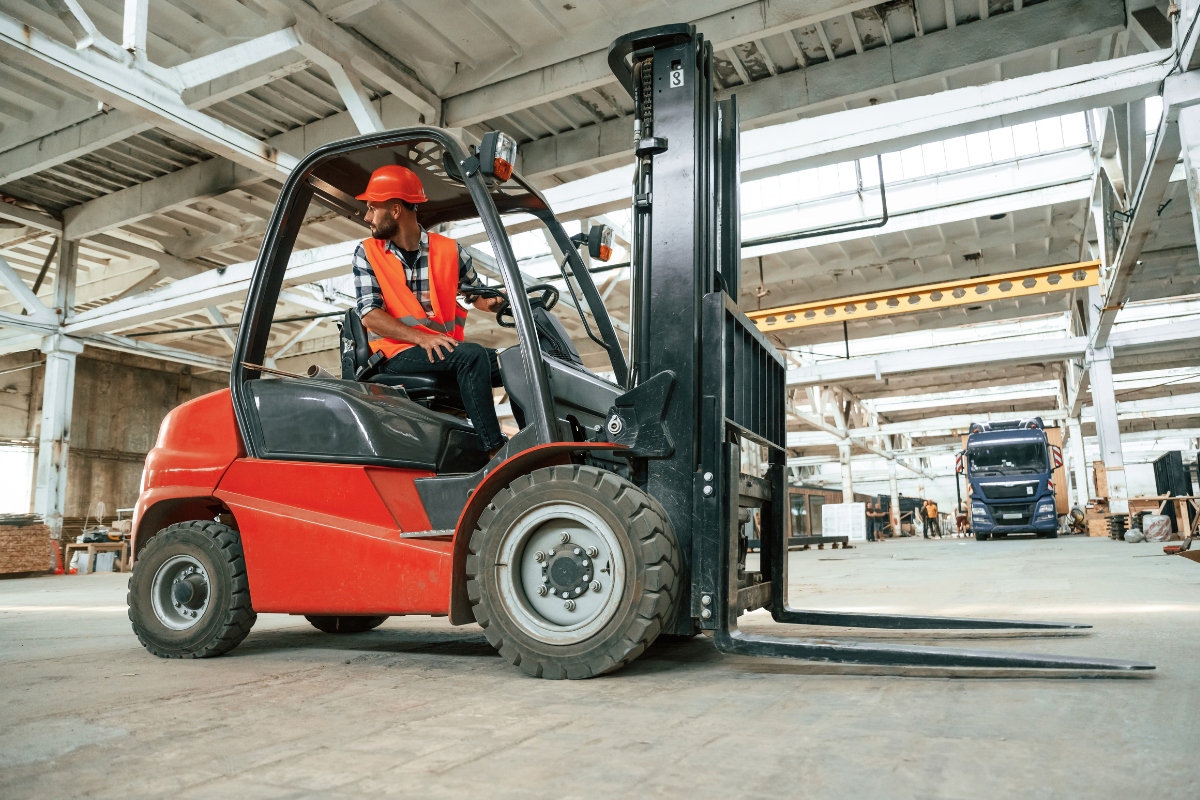
New forklift prices range from $15,000 to over $100,000, while used units typically cost between $5,000 and $30,000, depending on type, capacity, and power source. Electric and lithium-ion models offer higher upfront costs but lower long-term operating expenses, making them ideal for indoor warehouses and distribution centers. Internal combustion forklifts remain popular for outdoor and heavy-duty use. Key factors influencing pricing include lift capacity, mast height, attachments, and brand reputation. Leasing options provide monthly payments from $300 to $1,500, helping businesses preserve capital. Total cost of ownership should be evaluated beyond the purchase price, considering fuel, maintenance, and battery replacement. Regional variations and dealer quotes also affect final pricing. For modern, cost-efficient solutions, brands like Liftron Material Handling offer competitive electric and lithium-ion models that reduce ownership costs by up to 30% over five years.
How to Prevent Forklift Accidents in the Workplace

How to Prevent Forklift Accidents in the Workplace

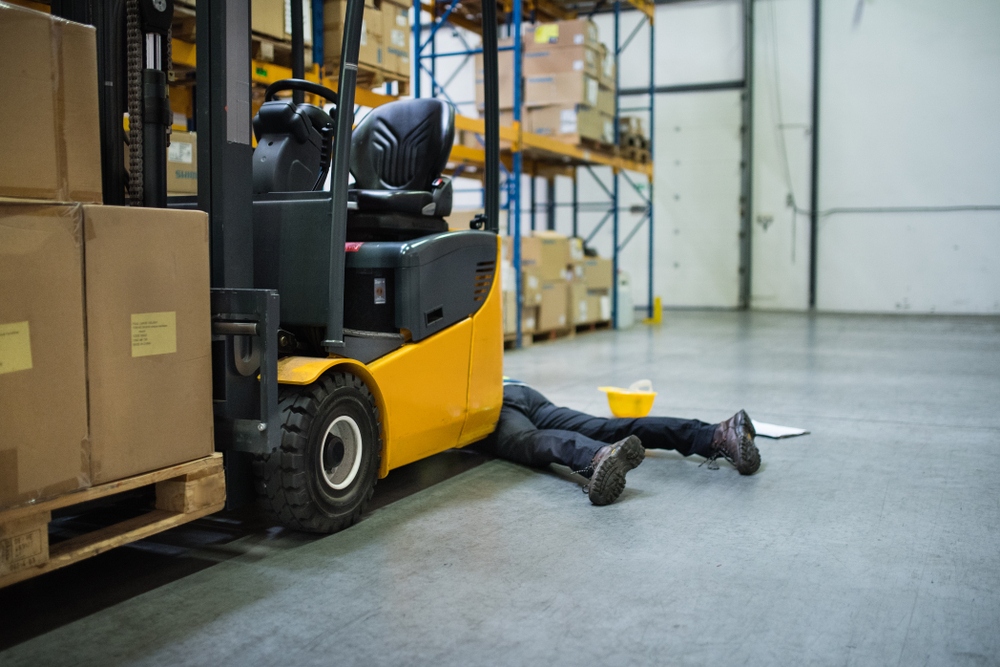
Preventing forklift accidents requires a multi-layered approach focused on comprehensive operator training, clear traffic management, and routine equipment maintenance. Establish certified training programs covering load stability, pedestrian awareness, and speed control while using floor markings, mirrors, and safety lights to separate vehicle and pedestrian traffic. Daily inspections of brakes, tires, and hydraulic systems are essential, alongside enforcing safe practices like no cell phone use and proper load positioning. Advanced technologies such as anti-tip systems, collision avoidance sensors, and lithium-ion models with regenerative braking further reduce risks. Fostering a safety culture through regular meetings, spot inspections, and incident reporting helps sustain long-term safety improvements. Regularly updating protocols and investing in modern, safety-enhanced equipment can protect workers and improve operational efficiency.

How Do I Know If My Forklift Forks Are Bent

How Do I Know If My Forklift Forks Are Bent

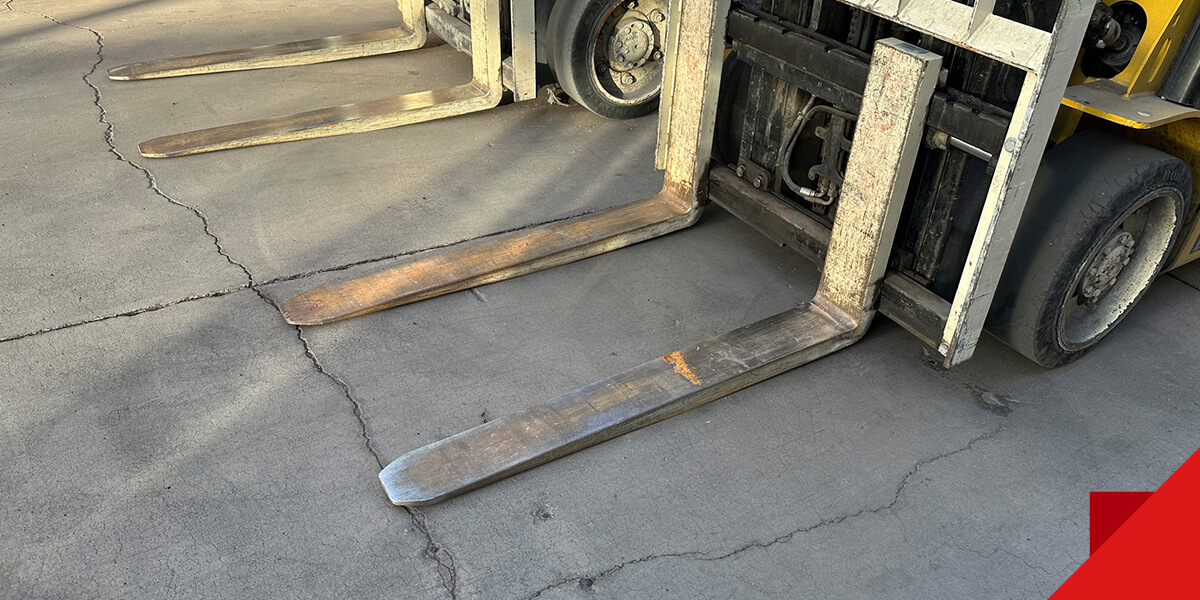
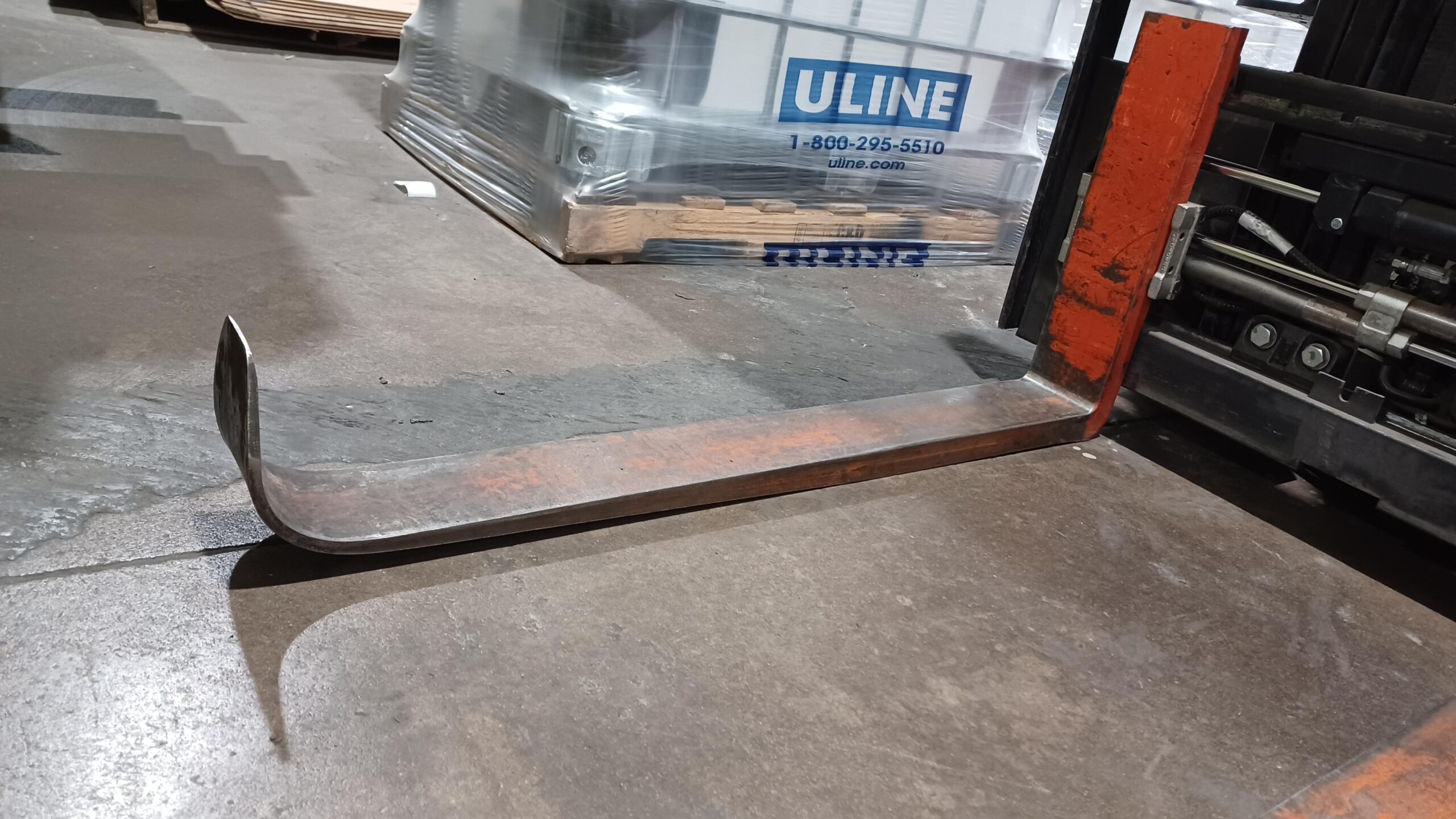
Regular inspection of forklift forks is critical for workplace safety, as even minor bends can cause load instability, accidents, and equipment damage. This guide outlines key signs of bent forks, including uneven tip alignment, gaps when inserting into pallets, unusual wear marks, and visible twists or bows. For precision, use a straightedge or level to measure deviation—typically no more than 0.5% of fork length—and check for twist by comparing side-to-side tip distances. Common causes include overloading, uneven loads, collisions, and improper storage. Never attempt to straighten bent forks; always replace them with certified components from a trusted supplier like Liftron Material Handling. Follow a recommended inspection schedule: daily visual checks, weekly measurements, monthly detailed inspections, and annual professional testing. Warning signs like excessive vibration, load shifting, or unusual noises warrant immediate inspection. Investing in quality replacements and modern equipment helps prevent accidents and maintain regulatory compliance.

Proper Training Can Prevent Common Forklift Accidents

Proper Training Can Prevent Common Forklift Accidents

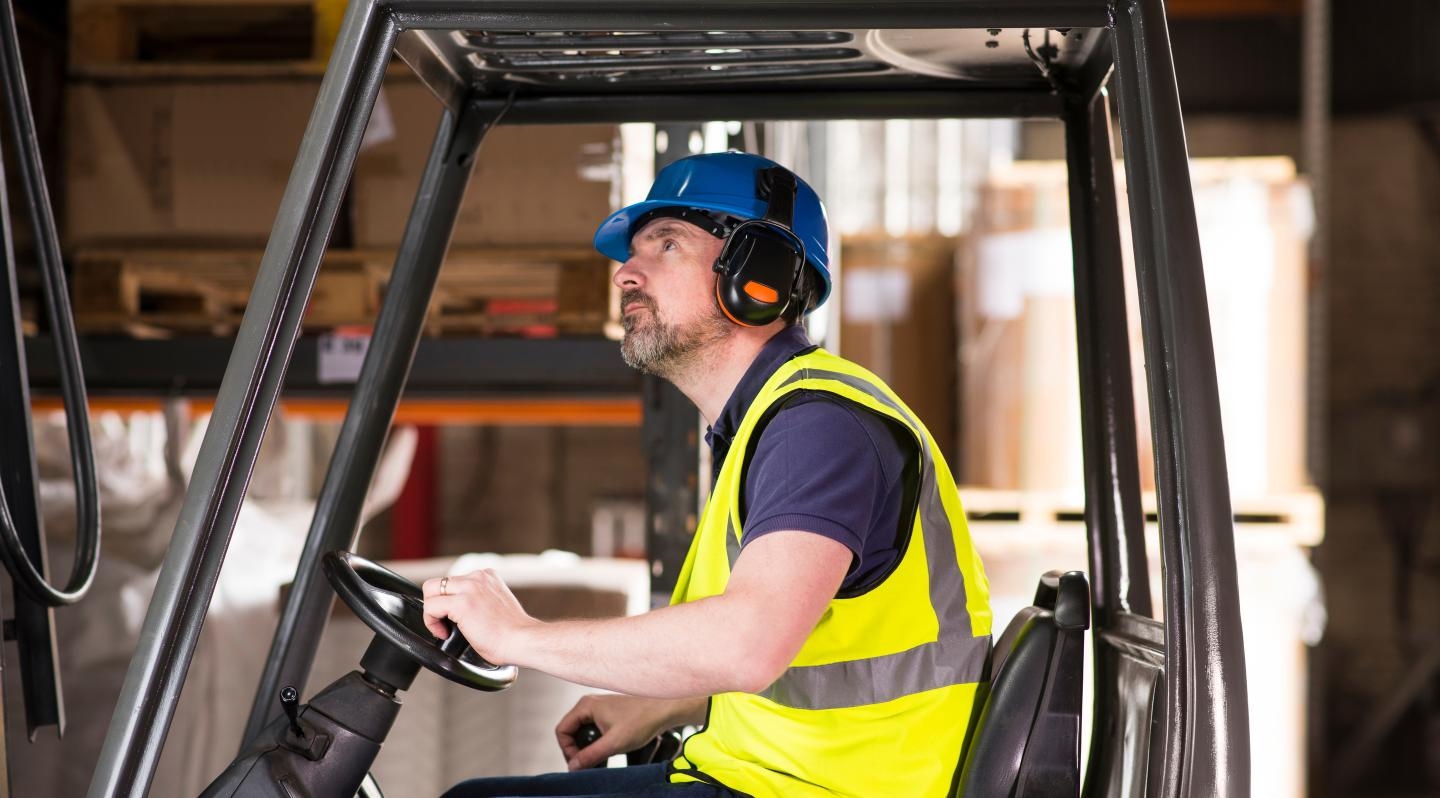
Proper forklift training is the most effective way to prevent costly accidents that lead to downtime, injuries, and liability. Every year, thousands of incidents like tip-overs, pedestrian collisions, and falling loads occur due to human error. Comprehensive programs covering pre-shift inspections, load handling, speed management, and pedestrian safety can reduce accidents by up to 50%. Companies that combine ongoing operator training with modern equipment, such as the Liftron DL SERIES featuring lithium-ion batteries, stability control, 360-degree cameras, and automatic braking, see dramatic improvements in safety and productivity. A case study shows a 62% drop in incidents and an 18% productivity increase after upgrading both training and machinery. Creating a culture of safety through quarterly drills, telematics data, and operator rewards ensures long-term success. Investing in both skilled operators and advanced equipment protects people, reduces repair costs, and strengthens operational efficiency.

How Much Does It Cost To Rent a Forklift in Indiana

How Much Does It Cost To Rent a Forklift in Indiana

Explore forklift rental costs in Indiana with average daily, weekly, and monthly rates for electric, LPG, and diesel models. Prices range from $125 to $400 per day depending on type, capacity, and duration. Understand key factors like rental length, fuel options, and additional fees such as delivery and insurance. Compare electric lithium-ion models for lower operating costs versus traditional propane forklifts for short-term outdoor use. Indiana cities like Indianapolis and Fort Wayne may have higher rates; rural areas offer savings. Get the best rates by comparing multiple quotes, negotiating long-term agreements, and checking for hidden fees. For indoor warehouses, electric models reduce emissions and maintenance. Learn where to rent, including options from Liftron Material Handling, and review a comparison of electric vs. LPG forklifts to find the best fit for your needs.

how many forklift accidents happen in the workplace each year

how many forklift accidents happen in the workplace each year

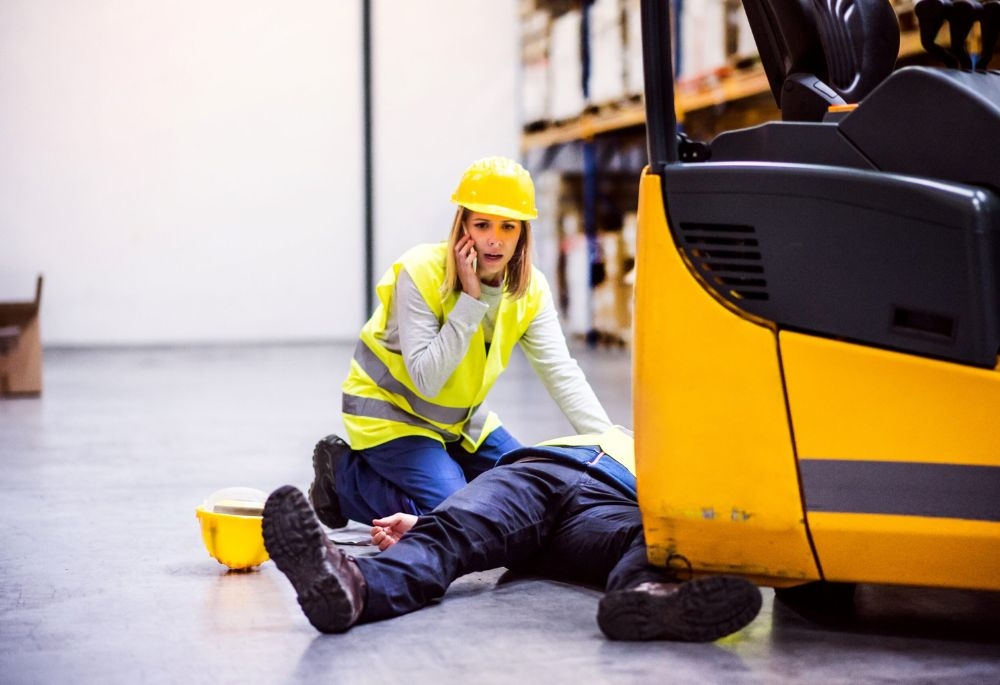
Forklift accidents remain a critical workplace safety issue, with roughly 85-100 fatalities and thousands of non-fatal injuries reported annually in the U.S. alone. Common causes include operator error, poor maintenance, unsafe environments, and pedestrian interactions. Warehousing and manufacturing industries see the highest incident rates. Preventing these accidents requires comprehensive training, daily equipment inspections, clear traffic management, and modern safety technology. Upgrading to advanced forklifts, such as the lithium-ion powered Liftron DL SERIES, enhances stability and includes automatic braking, speed limiting, and operator presence detection to reduce rollovers and collisions. Prioritizing safety protocols, employee engagement, and investment in reliable equipment can significantly lower injury rates and create a safer workplace.

Back to Top
Product has been added to your cart