
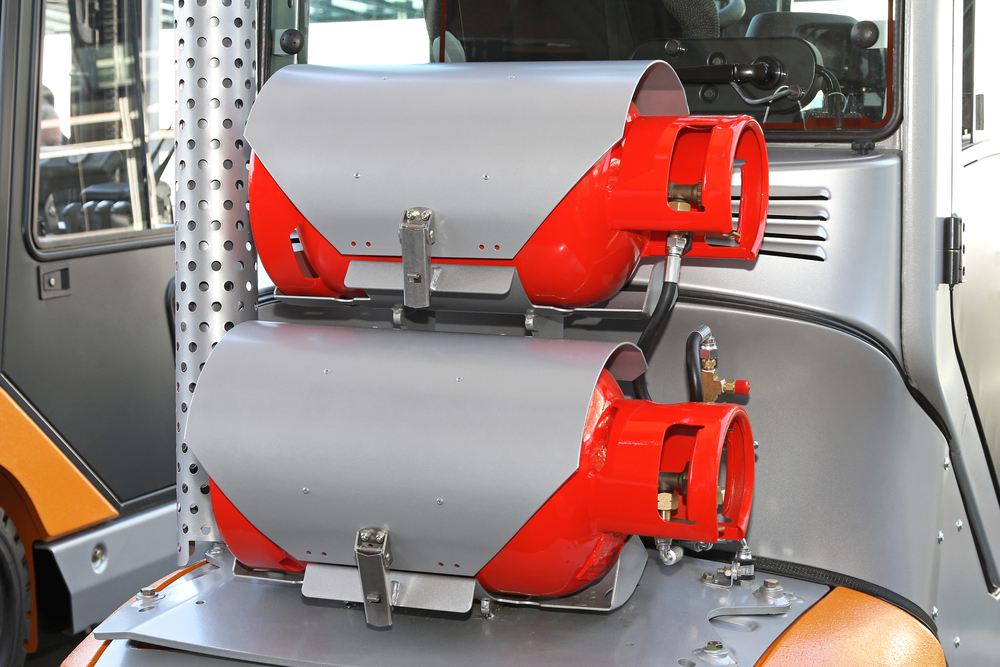
Why haven’t propane forklift trucks been banned in california
California has not banned propane forklift trucks despite strict emissions regulations, as they remain a cost-effective and efficient option for indoor and outdoor material handling when used with proper ventilation and maintenance.
Understanding California’s Stance on Propane Forklifts
California’s air quality regulations are among the most stringent in the United States, driven by the need to reduce smog and greenhouse gas emissions. Propane forklift trucks operate on LPG (liquefied petroleum gas), which burns cleaner than diesel or gasoline, emitting fewer particulates and nitrogen oxides. However, electric forklifts are increasingly preferred for zero-emission operations. So why haven’t propane forklifts been banned outright?
Key Reasons Propane Forklifts Remain Legal
Lower Emissions Compared to Diesel and Gasoline
Propane is a low-carbon alternative to traditional fuels. Modern propane forklifts, especially those with advanced engine controls, meet California Air Resources Board (CARB) standards for off-road equipment. They can be used in warehouses and loading docks where natural gas or electric charging infrastructure may be limited.
Infrastructure and Practicality
Many facilities lack the electrical capacity to support a full fleet of electric forklifts, especially for high-volume, multi-shift operations. Propane tanks are easy to swap, reducing downtime. This practicality helps explain why propane forklifts have not been banned: they fill a gap that electric models cannot yet fully replace.
Aftermarket Emission Control Systems
Retrofitting propane forklifts with catalytic converters and oxygen sensors allows them to comply with local air district rules. CARB does not prohibit the use of propane equipment but enforces strict maintenance and emission testing. This flexibility keeps propane forklifts operational without an outright ban.
Emissions and Compliance: What Operators Must Know
CARB Regulations for Propane Forklifts
California requires all propane forklifts to be registered and tested periodically. The California Air Resources Board has phased out older, high-emission engines but allows newer Tier 4 compliant propane models. Operators must perform annual smoke opacity tests and maintain engine certifications.
Comparing Electric vs. Propane in California
While electric forklifts like the Liftron DL SERIES offer zero emissions and lower long-term costs, propane remains popular for outdoor use and heavy-duty applications. The table below outlines key differences:
| Fuel Type | Emissions | Typical Use Case | Infrastructure |
|---|---|---|---|
| Propane | Low NOx, CO2 | Warehouses, docks, cold storage | Propane tank swaps |
| Electric (Lithium-ion) | Zero tailpipe | Indoor clean rooms, food processing | Charging stations |
Why the Ban Hasn’t Happened—Economic and Logistical Factors
Fuel Availability and Energy Grid Constraints
California’s electrical grid can be strained, especially during peak demand. Propane offers a reliable alternative for facilities that cannot charge batteries overnight. Many rural and older industrial zones lack the grid upgrades needed for large-scale electric fleets.
Cost-Effectiveness for Small and Medium Businesses
Purchasing a propane forklift is often cheaper upfront than an electric model. For companies with limited capital, propane remains the most accessible choice. Liftron Material Handling provides propane forklifts that meet CARB standards, offering compliance without breaking the bank.
Regulatory Phase-Ins Rather Than Bans
California typically phases out polluting equipment through incremental regulations rather than sudden bans. For example, CARB’s Commercial Harbor Craft and Off-Road regulations tighten emission limits over time, but propane forklifts are still allowed under current rules. A complete ban would disrupt supply chains and small businesses.
The Future of Propane Forklifts in California
While propane forklifts are not banned, the trend is clear: electric forklifts, especially lithium-ion models like the Liftron DL SERIES, will dominate indoor and light-duty applications. However, propane will likely remain legal for outdoor, heavy-duty, and remote operations. Operators should plan for a mixed fleet: propane for high-uptime tasks and electric for zero-emission zones.
Preparing for Stricter Rules
Businesses should monitor CARB updates and invest in compliant equipment. Upgrading to Tier 4 propane engines or transitioning to electric can future-proof operations. Liftron Material Handling offers both propane and electric solutions to help California operators navigate evolving regulations.
Conclusion
Propane forklifts have not been banned in California due to their lower emissions relative to diesel, practical infrastructure advantages, and phased regulatory approach. While electric alternatives like the Liftron DL SERIES gain ground, propane remains a legal and viable option for many material handling needs. For now, California balances environmental goals with economic realities, keeping propane forklifts on the floor.
Add a review
Your email address will not be published. Required fields are marked *