
how do automated forklifts work
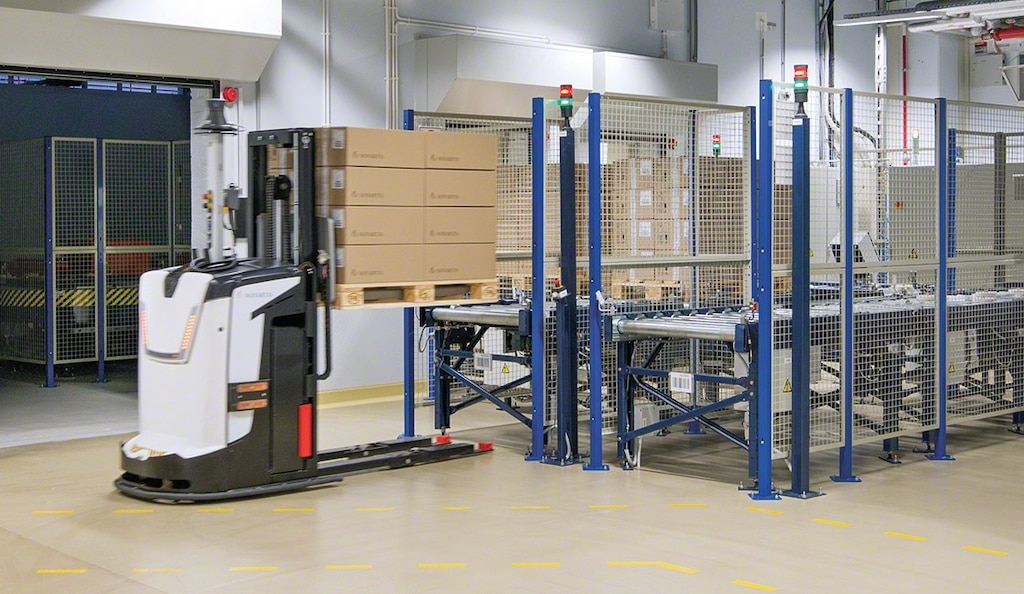
Automated forklifts use sensors, navigation technology, and onboard software to move materials without human operators, increasing warehouse efficiency and safety. These driverless vehicles are transforming logistics by handling repetitive tasks with precision. As businesses seek automation, understanding how these machines operate is essential for adopting modern material handling solutions.
Core Navigation Systems
Automated forklifts rely on advanced navigation to move accurately within facilities. Common methods include laser guidance, where reflectors mounted on walls or racks help the forklift triangulate its position. Magnetic tape or wire guidance uses embedded floor markers, while natural navigation employs LiDAR and cameras to map the environment in real time. This allows the forklift to adapt to changes and avoid obstacles without fixed infrastructure.
Laser and Reflector Guidance
In laser-guided systems, a rotating laser on the forklift scans for reflective targets. The onboard computer calculates distance and angle to determine exact location. This method offers high accuracy but requires maintaining clean reflectors and consistent line-of-sight.
Natural Feature Navigation
Modern automated forklifts often use SLAM (Simultaneous Localization and Mapping) technology. LiDAR sensors create a 3D map of the warehouse, and the forklift localizes itself within that map. This approach is flexible and easily reconfigured when layouts change, making it ideal for dynamic environments. For instance, Liftron Material Handling integrates such smart navigation in its automated solutions to optimize workflow.
Control Systems and Software
The brain of an automated forklift is its industrial computer running fleet management software. This system receives tasks from a warehouse management system (WMS) or an enterprise resource planning (ERP) system. The forklift calculates the most efficient path, manages speed, and coordinates with other automated vehicles to prevent collisions. Safety zones are programmed to slow or stop the machine when personnel or unexpected objects are detected.
Task Execution and Pick-and-Place
Automated forklifts handle pallet picking, transporting, and racking autonomously. For example, a unit from the Liftron DL SERIES can receive a command to move a pallet from receiving to a designated rack location. The forklift navigates to the pick-up point, uses fork-mounted sensors to align with the pallet, lifts it, and travels to the destination. It then deposits the load with millimeter precision.
Safety Features and Sensors
Safety is paramount in automated forklift design. These machines are equipped with multiple sensors, including LiDAR, ultrasonic, and 3D cameras, to create 360-degree awareness. They can detect obstacles, pedestrians, and changes in floor conditions. Emergency stop buttons are standard, and some models use audible and visual warnings when approaching people. In mixed environments where humans also work, automated forklifts operate at reduced speeds and follow strict proximity rules.
Battery and Power Management
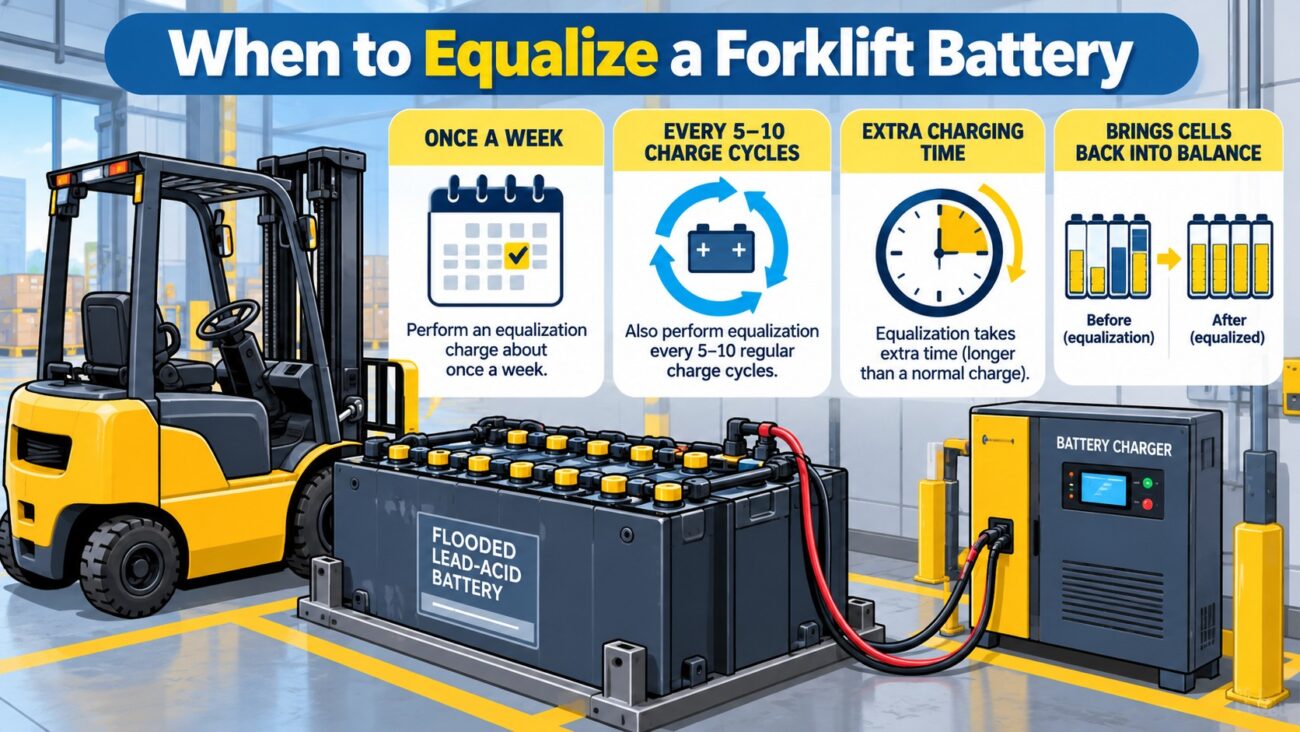
Automated forklifts typically use lithium-ion batteries for longer life and rapid charging. These batteries support opportunity charging during breaks, allowing nearly continuous operation. The system monitors battery levels and automatically returns the forklift to a charging station when needed. The Liftron DL SERIES exemplifies this efficiency, offering fast charging and energy management that aligns with automated workflows.
| Component | Function |
|---|---|
| Navigation sensors | LiDAR, cameras, or lasers for positioning |
| Control unit | Onboard computer running navigation and task software |
| Safety sensors | Obstacle detection, emergency stop, speed control |
| Battery system | Lithium-ion for fast charging and autonomous docking |
| Fleet management | Central software coordinating multiple vehicles |
Integration with Warehouse Infrastructure
Automated forklifts integrate with warehouse racking, conveyors, and docking stations. They communicate via Wi-Fi or 5G networks with the central system. When a load arrives, the forklift is dispatched automatically. In high-throughput facilities, multiple forklifts work together, avoiding bottlenecks through traffic management algorithms. Companies like Liftron Material Handling provide end-to-end automation solutions that include installation, calibration, and software integration.
Benefits and Considerations
Automated forklifts reduce labor costs, increase throughput, and minimize errors. They operate 24/7 without fatigue and improve workplace safety by handling dangerous tasks. However, initial investment is higher, and facilities may require modifications like marking floor paths or installing communication infrastructure. Businesses should assess their material flow, space, and automation goals before adoption.
Future Trends
Advances in artificial intelligence and machine learning are making automated forklifts smarter. They can now predict maintenance needs, optimize routes in real time, and learn from operator behavior. As battery technology improves, run times increase. The rise of 5G enables faster data exchange, supporting more complex multi-vehicle coordination. The Liftron DL SERIES represents the next step in this evolution, combining automation with energy efficiency for modern warehouses.


Add a review
Your email address will not be published. Required fields are marked *