
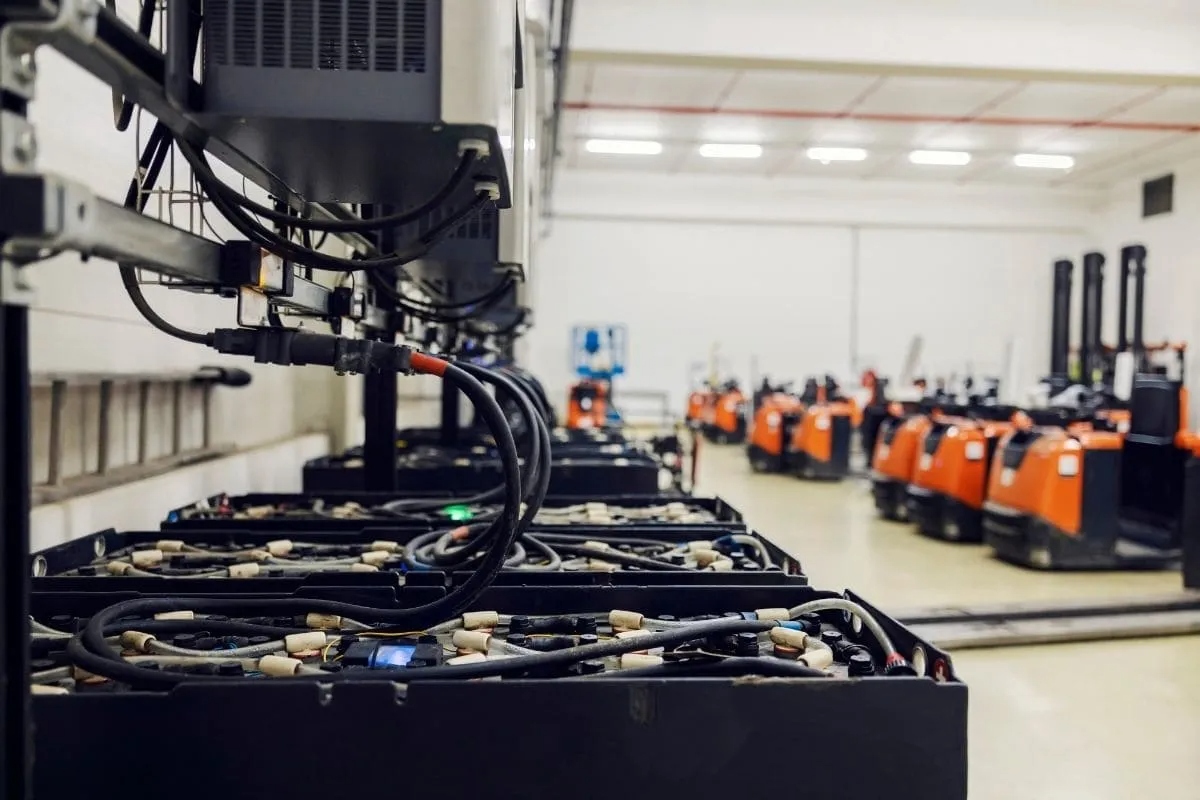
How to find how much sulfuric acid in forklift battery
Knowing the exact sulfuric acid concentration in your forklift battery is crucial for safety, performance, and longevity. This guide provides step-by-step methods to measure acid levels, interpret readings, and maintain optimal battery health for lead-acid units.
Why Sulfuric Acid Measurement Matters
Sulfuric acid (H₂SO₄) in a forklift battery acts as the electrolyte that facilitates the chemical reaction between lead plates. Over time, water evaporates and acid concentration changes, affecting the battery’s charge capacity and overall lifespan. Measuring the specific gravity of the electrolyte tells you the state of charge and health of your battery. Incorrect levels can lead to sulfation, overheating, or even battery failure.
Tools You Need
- Hydrometer – The most common tool for measuring specific gravity. Digital or analog versions work.
- Refractometer – A more precise optical instrument that measures the refractive index of the acid.
- Safety gear – Rubber gloves, safety goggles, and acid-resistant apron. Sulfuric acid is highly corrosive.
- Distilled water – For topping up after measurement if needed.
Step-by-Step Method Using a Hydrometer
1. Prepare the Battery
Park the forklift on a level surface, turn off the engine, and engage the parking brake. Allow the battery to rest for at least 15 minutes after charging or discharging to get a stable reading. Clean the top of the battery to prevent dirt from entering the cells.
2. Remove Vent Caps
Unscrew or pry open each cell cap. Work in a well-ventilated area to avoid inhaling hydrogen gas that may be present.
3. Take the Measurement
Squeeze the hydrometer bulb, insert the tip into the electrolyte, and slowly release the bulb to draw a sample. The float inside the hydrometer will rise. Read the specific gravity at the meniscus (the curved surface of the liquid). Repeat for each cell and record the values.
4. Interpret the Readings
A fully charged lead-acid battery typically shows a specific gravity between 1.265 and 1.300 at 25°C (77°F). Values below 1.200 indicate a discharged or sulfated battery. If there is a wide variation (more than 0.050) between cells, the battery may be damaged or require equalization.
Using a Refractometer for Higher Accuracy
For more precise results, especially in fleet maintenance, a refractometer is recommended. Place a few drops of electrolyte on the prism, close the cover, and look through the eyepiece. The scale shows both specific gravity and percentage of sulfuric acid. This method eliminates the need for temperature corrections.
Temperature Correction
Specific gravity readings are temperature-dependent. For every 10°F above 80°F, add 0.004 to the reading. For every 10°F below, subtract 0.004. Most hydrometers include a temperature correction chart.
| Temperature (°F) | Correction Factor |
|---|---|
| 60 | -0.008 |
| 70 | -0.004 |
| 80 | 0 |
| 90 | +0.004 |
| 100 | +0.008 |
What to Do After Measurement
If specific gravity is low across all cells, recharge the battery fully and re-check. If only one cell is low, the battery may have a shorted plate or internal damage. Top up with distilled water only after charging, never before, to avoid acid overflow. Never add sulfuric acid unless directed by a battery specialist.
Maintenance Tips for Forklift Batteries
- Check electrolyte levels weekly and top up with distilled water.
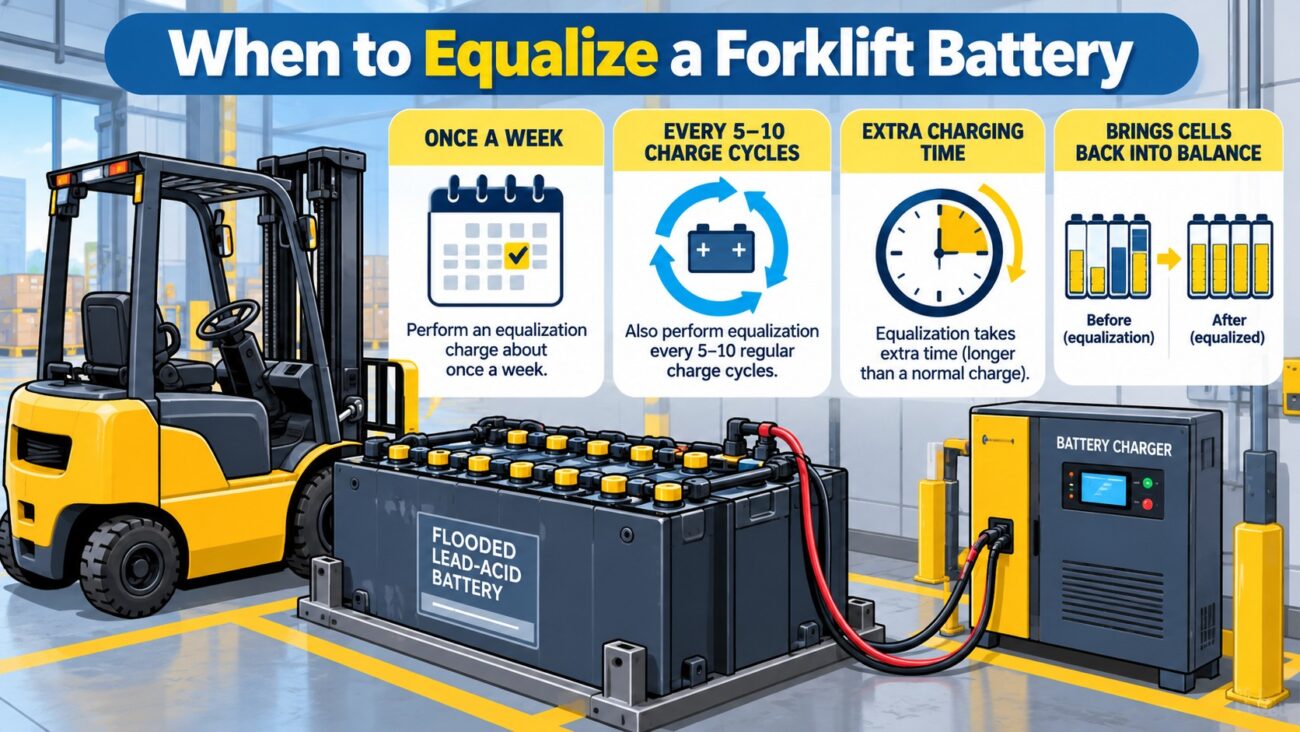
- Equalize the battery periodically (typically every 10 cycles) to prevent sulfation.
- Keep the battery clean and terminals free of corrosion.
- Use a battery management system to track charge cycles and health.
When to Consider Upgrading to Lithium-Ion
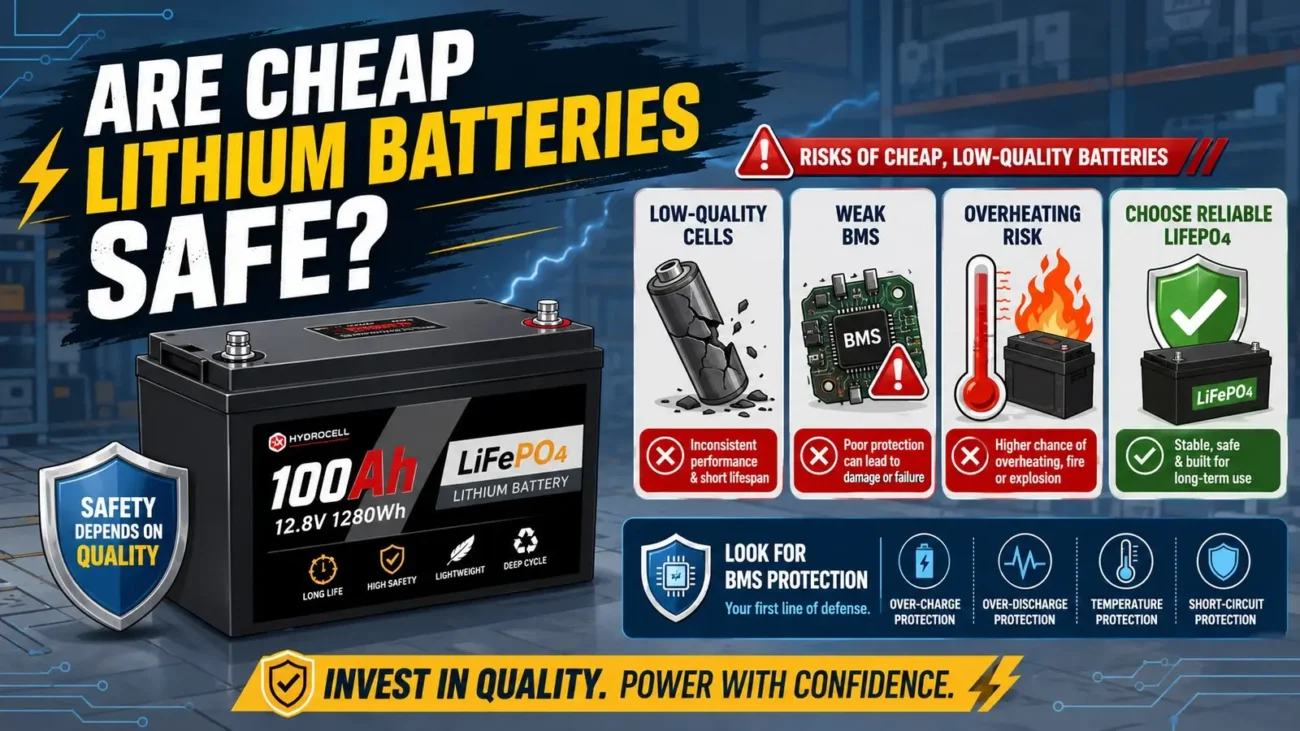
If your lead-acid battery frequently requires acid measurement and maintenance, it may be time to upgrade. Lithium-ion forklift batteries, such as the Liftron DL SERIES, eliminate the need for electrolyte checks entirely. They offer longer life, faster charging, zero water maintenance, and consistent voltage output. For businesses looking to reduce downtime and labor costs, Liftron Material Handling provides cutting-edge lithium-ion solutions designed for industrial environments. Visit their website to explore how these batteries can transform your operations.
Safety Precautions
Always work with sulfuric acid in a well-ventilated space. Wear full protective gear. If acid contacts skin, flush immediately with plenty of water for 15 minutes and seek medical help. Neutralize spills with baking soda or a commercial acid neutralizer.
Conclusion
Measuring sulfuric acid in a forklift battery is straightforward with the right tools and procedures. Regular monitoring ensures peak performance and extends battery life. However, consider transitioning to modern lithium-ion alternatives like the Liftron DL SERIES from Liftron Material Handling for a maintenance-free experience.


Add a review
Your email address will not be published. Required fields are marked *