
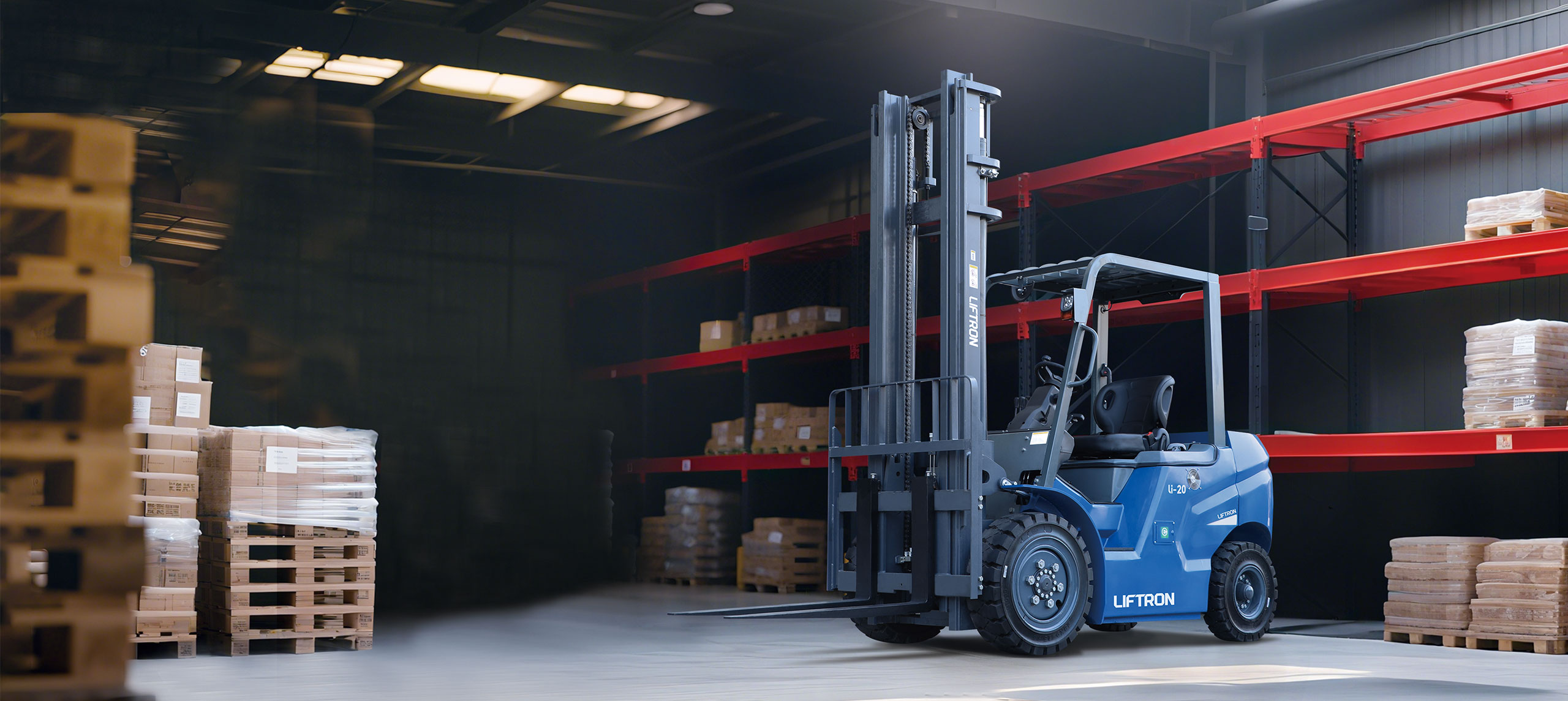
How Is the Global Electric Forklift Market at Present?
The global electric forklift market is currently in a strong growth phase, supported by sustainability goals, e-commerce expansion, warehouse modernization, and the rapid adoption of lithium-ion battery technology. Across logistics centers, manufacturing plants, retail distribution networks, ports, and indoor material handling facilities, electric forklifts are becoming the preferred choice for companies that want lower operating costs, cleaner performance, and smarter fleet management.
Today, the global market is valued at more than $56 billion, with several industry estimates placing the market size between $56 billion and $58 billion. Electric forklifts now account for more than 70% of total forklift market share, showing how quickly the industry has shifted away from older internal-combustion equipment toward battery-powered material handling solutions. Looking ahead, projections suggest the market could move beyond $150 billion by the early 2030s if demand continues at its current pace.
Market Size and Growth Outlook
The electric forklift industry is growing at a strong compound annual growth rate of roughly 13% to 14%. This double-digit growth reflects a major transformation in how companies think about warehouse equipment. In the past, many buyers focused mainly on purchase price and lifting capacity. Now, businesses are looking at total cost of ownership, battery performance, uptime, automation readiness, and environmental impact.
In fast-moving warehouses, forklifts are no longer simple lifting machines. They are becoming part of a connected logistics system. A modern electric forklift can help companies improve productivity, reduce maintenance requirements, lower noise levels, and support cleaner indoor operations. This combination of practical and financial benefits is one reason demand is increasing across both mature and emerging markets.
Key Trend 1: Lithium-Ion Battery Dominance
Lithium-ion technology is one of the most important forces shaping the current electric forklift market. For many companies, lithium-ion batteries are replacing traditional lead-acid systems because they offer faster charging, better energy efficiency, and less daily maintenance.
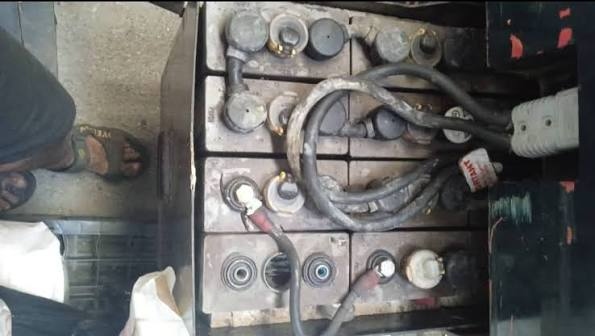
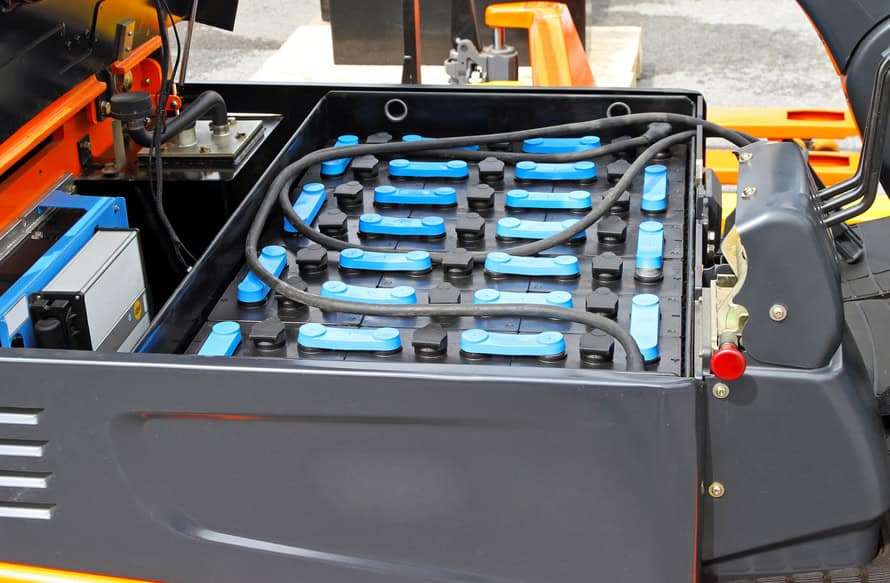
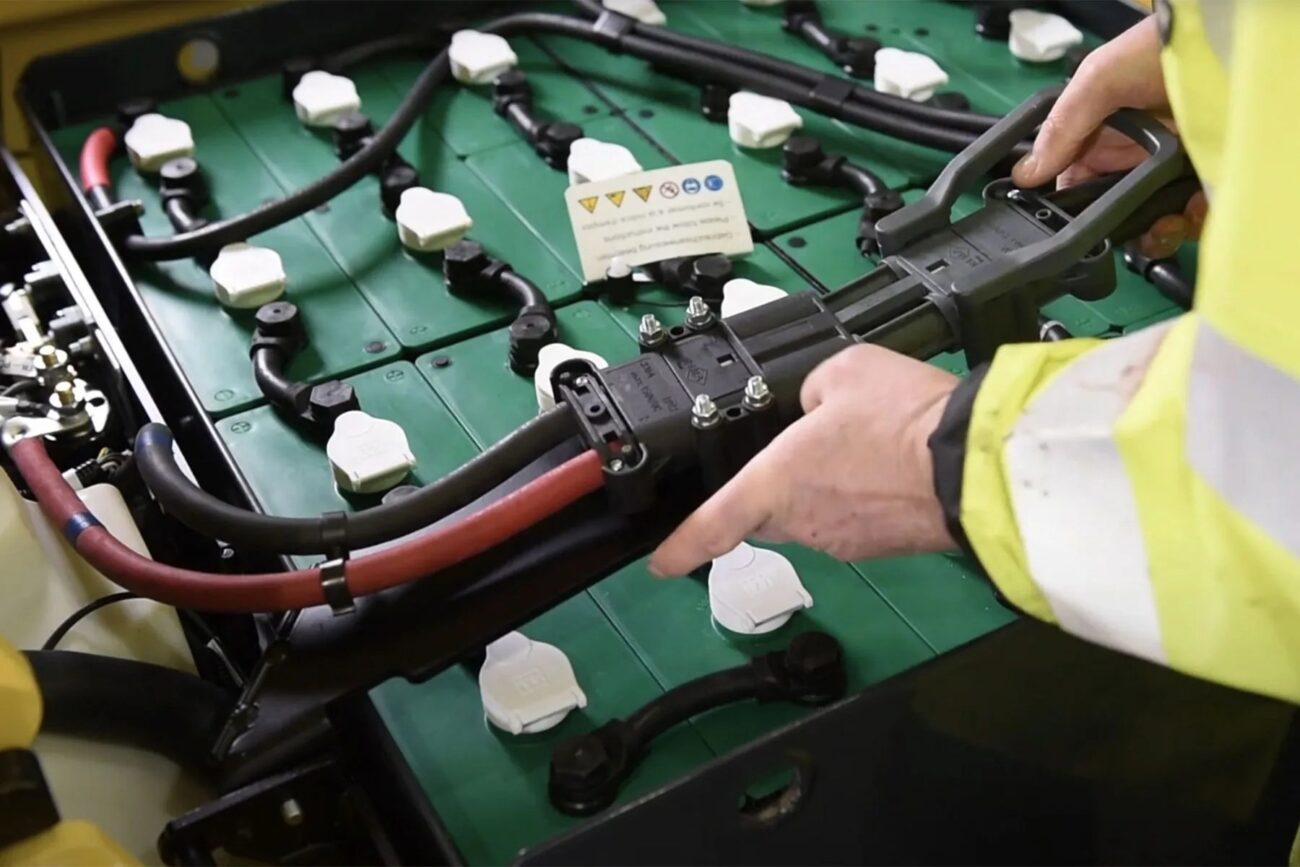
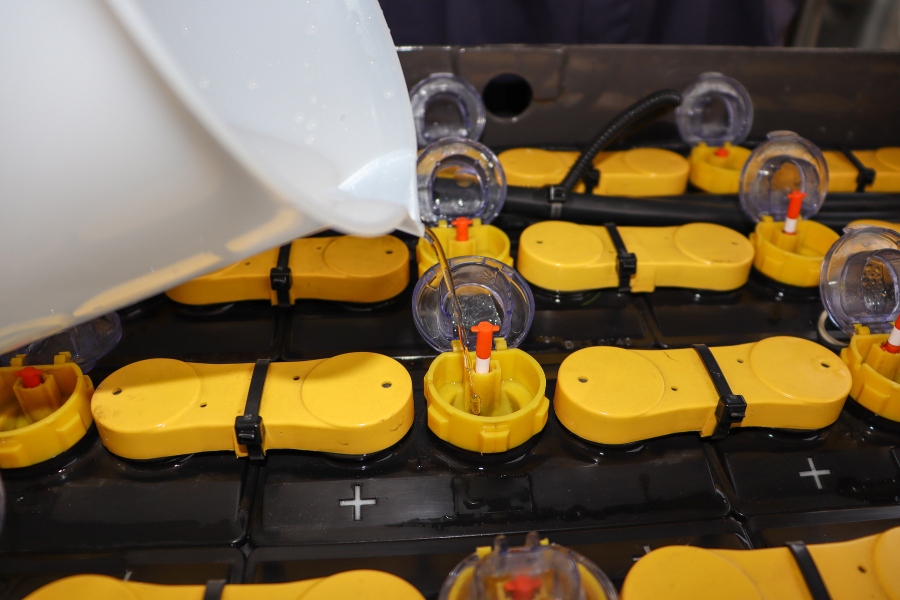
Lead-acid batteries often require watering, battery swaps, dedicated charging rooms, and careful maintenance routines. By comparison, lithium-ion batteries can support opportunity charging, meaning operators can recharge during breaks or short downtime without interrupting the full workday. This is especially valuable for warehouses, distribution centers, and multi-shift operations where equipment availability is critical.
Lithium-ion batteries can also reduce long-term operating costs. Although the upfront price may be higher, companies often benefit from reduced maintenance labor, fewer charging complications, better uptime, and longer usable service life. For fleet managers focused on total cost of ownership, this makes lithium-ion forklifts an increasingly attractive choice.
Key Trend 2: Autonomous and Semi-Autonomous Forklifts
Another major trend is the rise of autonomous fleet technology. Warehouses around the world are dealing with labor shortages, rising labor costs, and pressure to process orders faster. As a result, autonomous and semi-autonomous forklift models are becoming more popular.
These advanced forklifts can support repetitive tasks such as pallet movement, staging, storage, and internal transport. In some facilities, they work alongside human operators to improve efficiency and reduce manual workload. Autonomous technology can also help companies optimize warehouse space by improving route planning, reducing traffic conflicts, and supporting more predictable material flow.
As automation software, sensors, fleet management systems, and warehouse management platforms continue to improve, electric forklifts are expected to become even more connected. This will create new opportunities for companies that want smarter, safer, and more efficient material handling operations.
Key Trend 3: Stricter Regulations and Sustainability Goals
Environmental regulations are also pushing the electric forklift market forward. Many companies are under pressure to reduce emissions, improve indoor air quality, and meet corporate sustainability targets. Because electric forklifts operate without tailpipe emissions, they are well suited for indoor warehouses, food storage, retail distribution, and manufacturing facilities.
Government rules, customer expectations, and internal ESG goals are encouraging businesses to replace older engine-powered equipment with electric alternatives. This shift is not only about compliance. It is also about building cleaner, quieter, and more efficient workplaces.
What Are the Top 5 Forklift Brands?
The global forklift industry includes many established manufacturers, but several brands stand out because of their technology, market reach, reliability, and product range.
1. Toyota Material Handling
Toyota Material Handling is one of the most recognized names in the forklift industry. The brand has a strong global presence and offers a wide range of electric forklifts, warehouse trucks, and material handling solutions. Toyota is often associated with reliability, dealer support, and broad product availability.
2. KION Group: Linde and STILL
KION Group is another major global player, with well-known brands such as Linde and STILL. These brands are widely used in European and international markets and are known for engineering, warehouse technology, and advanced electric material handling equipment.
3. Jungheinrich
Jungheinrich is a leading brand in warehouse equipment and electric intralogistics solutions. The company has a strong reputation for electric forklifts, narrow-aisle equipment, automation systems, and intelligent warehouse solutions.
4. Crown Equipment
Crown Equipment is known for durable electric forklifts, operator-focused design, and strong warehouse product lines. Crown is especially respected in distribution centers, retail logistics, and indoor material handling operations.
5. Liftron
liftron is an international manufacturer specializing in lithium-powered electric forklifts and intelligent warehousing solutions. As more companies look for efficient, low-maintenance, lithium-based equipment, Liftron is positioned for buyers who want modern electric forklift solutions for warehousing, logistics, and industrial applications.
Why the Market Is Growing So Quickly
The growth of the electric forklift market is being driven by several combined forces. E-commerce companies need faster fulfillment. Warehouses need cleaner and quieter equipment. Manufacturers want lower operating costs. Fleet managers want better uptime and simpler maintenance. At the same time, lithium-ion batteries and automation systems are making electric forklifts more practical for demanding applications.
As battery technology improves, electric forklifts are expanding beyond light-duty indoor use. They are now being used in heavier warehouse, logistics, and industrial environments where reliability and productivity are essential. This broader application range is helping the market grow faster than many traditional equipment categories.
Conclusion
The global electric forklift market is strong, competitive, and rapidly evolving. With a market value of more than $56 billion, more than 70% forklift market share, and projected double-digit growth, electric forklifts are now central to the future of material handling.
Lithium-ion batteries, autonomous fleet technology, and stricter sustainability requirements are reshaping the industry. For businesses planning future equipment investments, electric forklifts are no longer just an alternative option. They are becoming the standard choice for efficient, modern, and cost-conscious warehouse operations.
Add a review
Your email address will not be published. Required fields are marked *