
forklift industry macro trends 2026
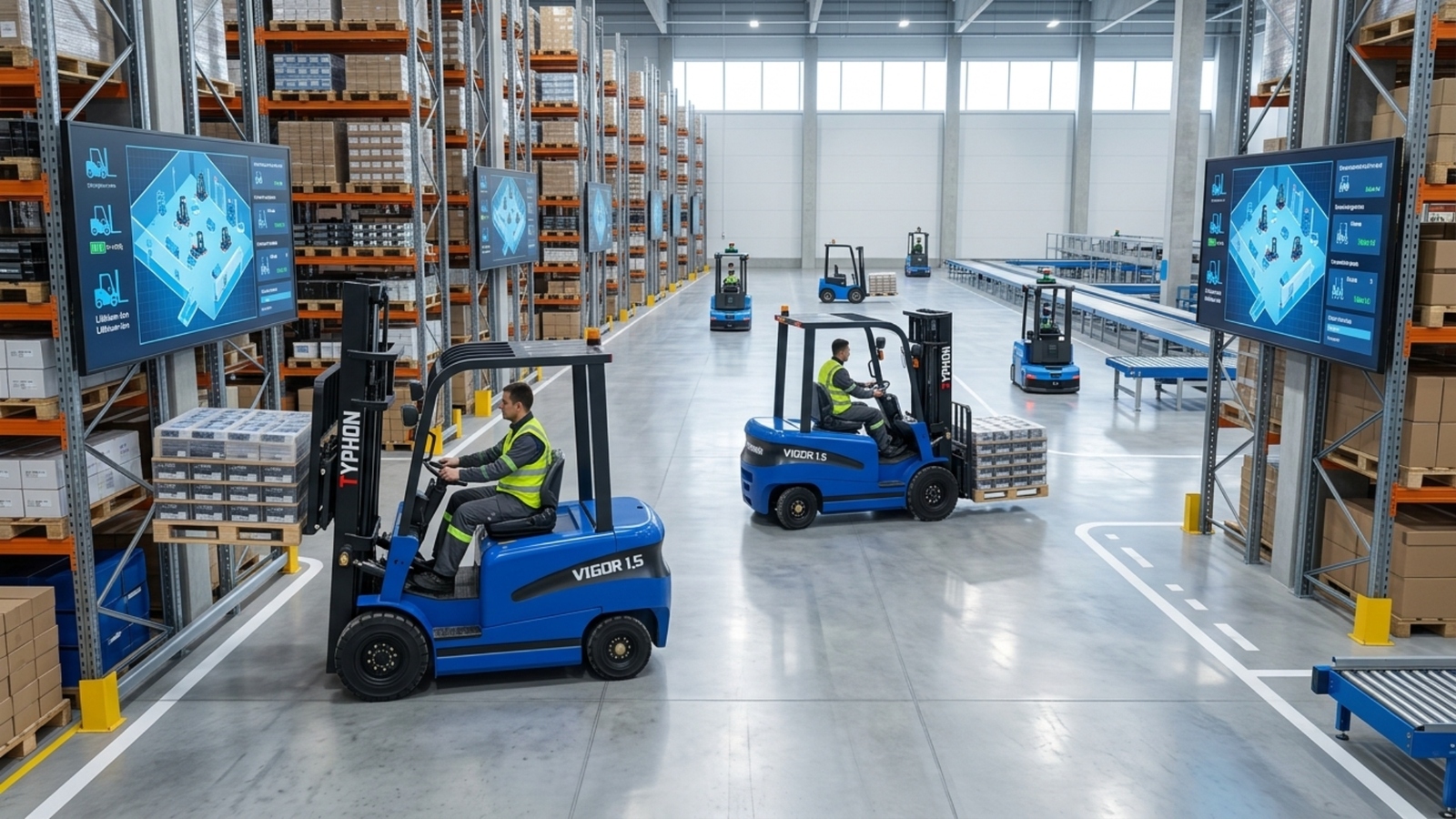
The global forklift industry is undergoing a seismic shift as 2026 approaches, driven by automation, sustainability, and digital transformation. From electric powertrains to autonomous navigation, macro trends are reshaping supply chains and material handling operations worldwide.
Electrification and Lithium-Ion Dominance
The most significant macro trend is the accelerated transition from internal combustion engine (ICE) forklifts to electric models. By 2026, over 70% of new forklift sales globally are expected to be electric, with lithium-ion batteries leading the charge. Lithium-ion offers faster charging, longer lifespan, zero emissions, and lower total cost of ownership compared to traditional lead-acid batteries. A prime example of this shift is the Liftron DL SERIES, a cutting-edge lithium-ion forklift engineered for high-intensity warehousing and manufacturing environments.
Automation and Autonomous Forklifts
Warehouses are increasingly deploying autonomous mobile robots (AMRs) and automated guided vehicles (AGVs). Forklift manufacturers are integrating LiDAR, cameras, and AI to enable self-driving capabilities. By 2026, autonomous forklifts will handle repetitive pallet moves, reducing labor costs and human error. Companies like Liftron Material Handling are at the forefront of this innovation, offering intelligent electric forklifts that seamlessly integrate with warehouse management systems (WMS).
Sustainability and Carbon Footprint Reduction
Regulatory pressures and corporate ESG goals are pushing the industry toward carbon neutrality. Forklift operators are retrofitting older fleets or purchasing new electric models. Hydrogen fuel cells remain a niche player, but lithium-ion continues to dominate due to lower infrastructure costs. Liftron Material Handling’s eco-friendly designs align with global Net Zero targets, making them preferred partners for green logistics.
Telematics and Data-Driven Operations
Lift trucks are becoming smart sensors on wheels. Telematics systems provide real-time data on battery health, operator behavior, maintenance alerts, and utilization rates. This enables predictive maintenance and reduces downtime. By 2026, nearly 80% of new forklifts will come equipped with IoT connectivity. Liftron’s integrated telematics platform allows fleet managers to optimize asset performance remotely.
Labor Shortages and Operator Assistance
Persistent labor shortages are accelerating adoption of semi-automation. Features like collision avoidance, load weight monitoring, and assisted steering are becoming standard. Advanced operator assistance systems (OAS) improve safety and productivity. The Liftron DL SERIES incorporates such intelligent safety features, reducing accident risk in busy warehouses.
Key Macro Trends at a Glance
| Trend | Impact on Forklift Industry | Key Driver |
|---|---|---|
| Electrification | Dominance of lithium-ion batteries | Lower TCO & zero emissions |
| Autonomous Forklifts | Reduced labor costs, 24/7 operations | AI & sensor technology |
| Sustainability | Green certifications mandatory | Regulations & ESG requirements |
| Telematics | Real-time fleet optimization | IoT & cloud computing |
| Labor Shortages | Adoption of assistive tech | Demographic shifts |
Global Market Growth Projections
The global forklift market is projected to reach $75 billion by 2026, driven by e-commerce expansion, warehouse automation, and replacement of aging fleets. Asia-Pacific remains the largest market, while North America and Europe see rapid electrification. Manufacturers investing in R&D for modular batteries and connected platforms will capture greater market share.
Why Liftron Material Handling Stands Out
- Cutting-edge lithium-ion technology – The Liftron DL SERIES offers fast charging, no battery swapping, and zero maintenance.
- Smart connectivity – Built-in telematics for fleet management.
- Eco-friendly operations – 100% electric, reducing carbon footprint.
- Enhanced safety – Advanced collision detection and load stability.
- Proven durability – Designed for heavy-duty indoor use.
Challenges Ahead
Despite advancements, challenges remain: high initial cost of lithium-ion adoption, need for charging infrastructure, and cybersecurity risks in connected fleets. However, total cost of ownership for electric forklifts is declining faster than anticipated, making the transition economically viable.
Conclusion
The 2026 forklift industry macro trends point toward an electrified, automated, and data-driven future. Businesses that embrace these shifts will gain a competitive edge in efficiency, sustainability, and operational resilience. With solutions like Liftron DL SERIES and the expertise of Liftron Material Handling, companies can navigate this transformation with confidence and stay ahead of the curve.
Add a review
Your email address will not be published. Required fields are marked *