What Class of Forklift Is Liftron’s Large Electric Forklift?
Liftron’s large electric forklifts are generally Class 1 electric motor rider trucks designed for clean, powerful material handling.

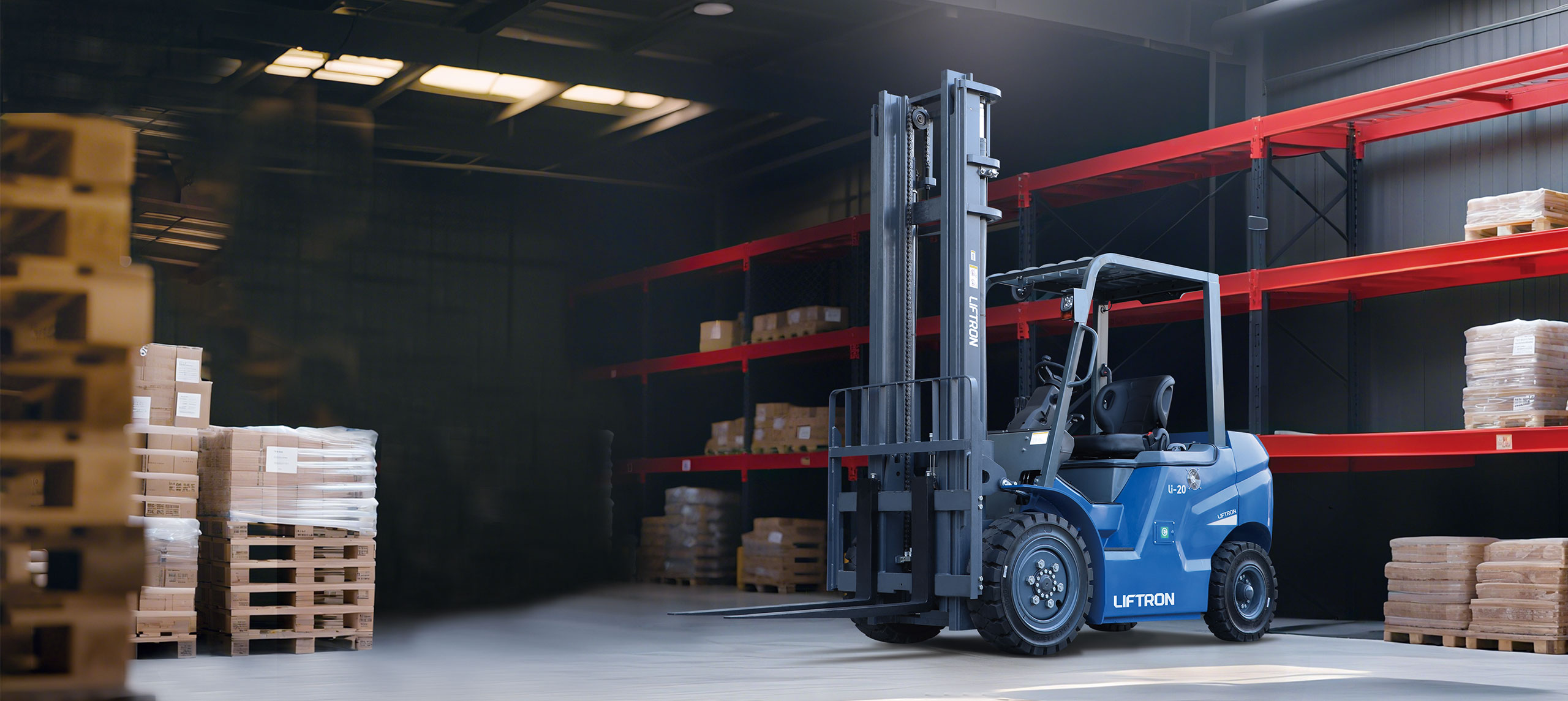
Liftron’s large electric forklifts are generally Class 1 electric motor rider trucks designed for clean, powerful material handling.
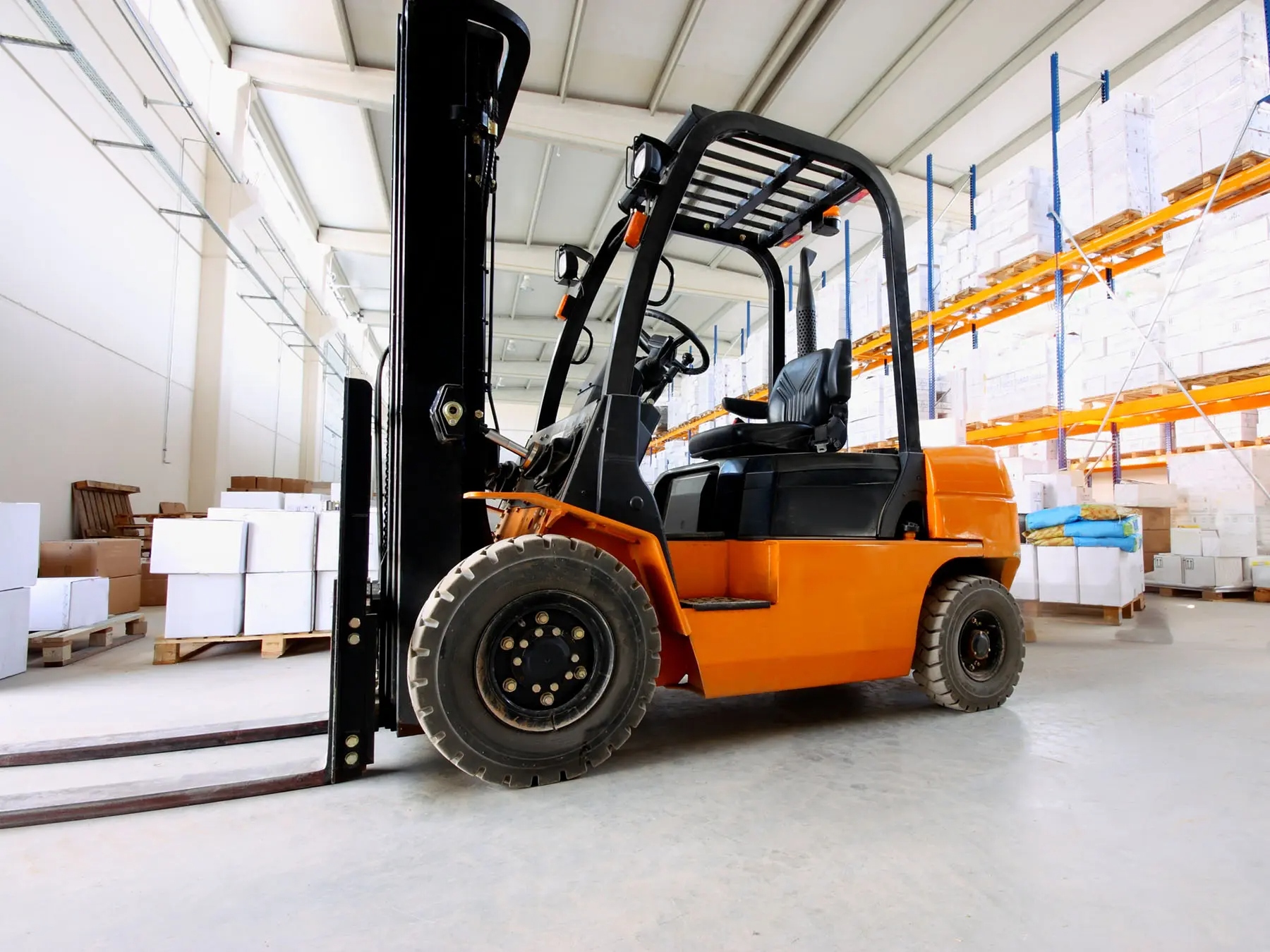
Choosing the right electric sit-down forklift improves safety, lowers operating costs, and keeps warehouse handling efficient.
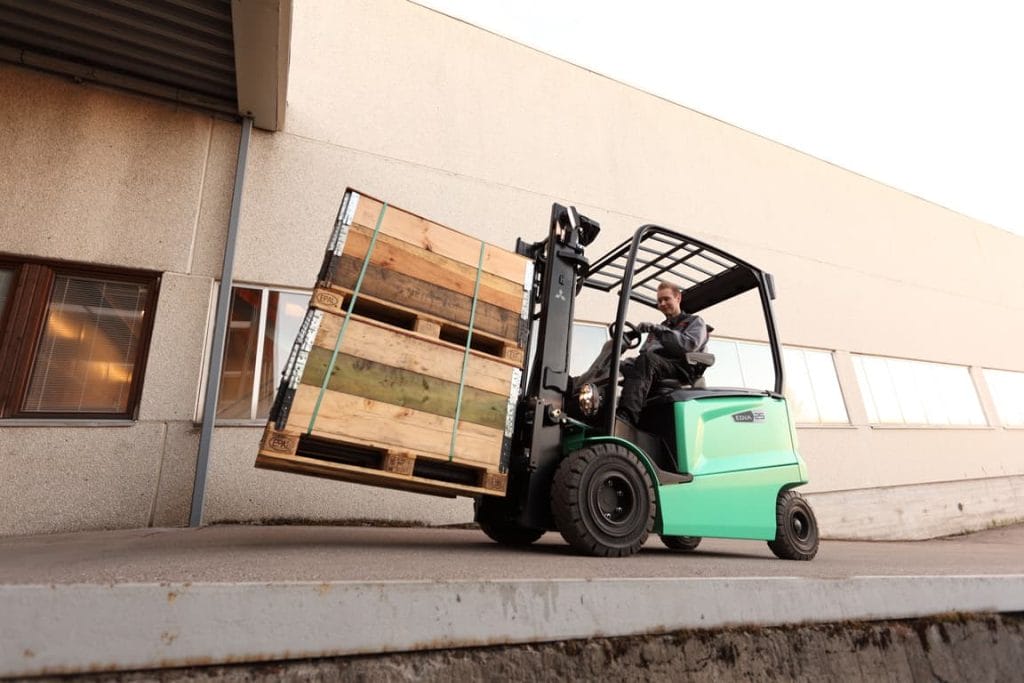
Indoor electric forklifts are ideal for warehouses, retail logistics, food storage, and manufacturing facilities because they produce no tailpipe emissions and operate much more quietly than combustion forklifts.
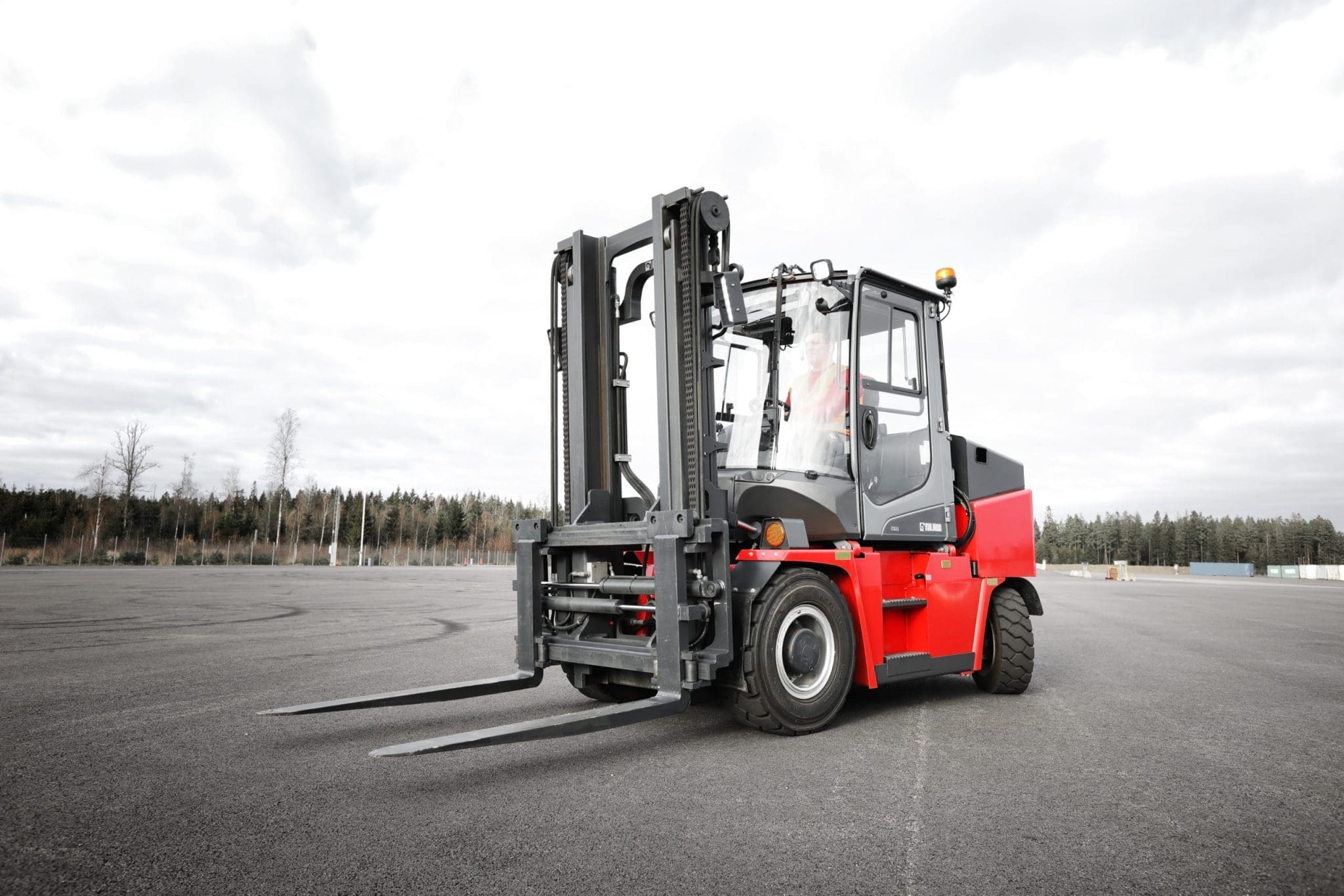
Compared to gas, diesel, or propane forklifts, electric models provide a combination of environmental benefits, operational efficiency, and reduced maintenance requirements. These advantages make them a strong investment for businesses looking to improve productivity and sustainability.
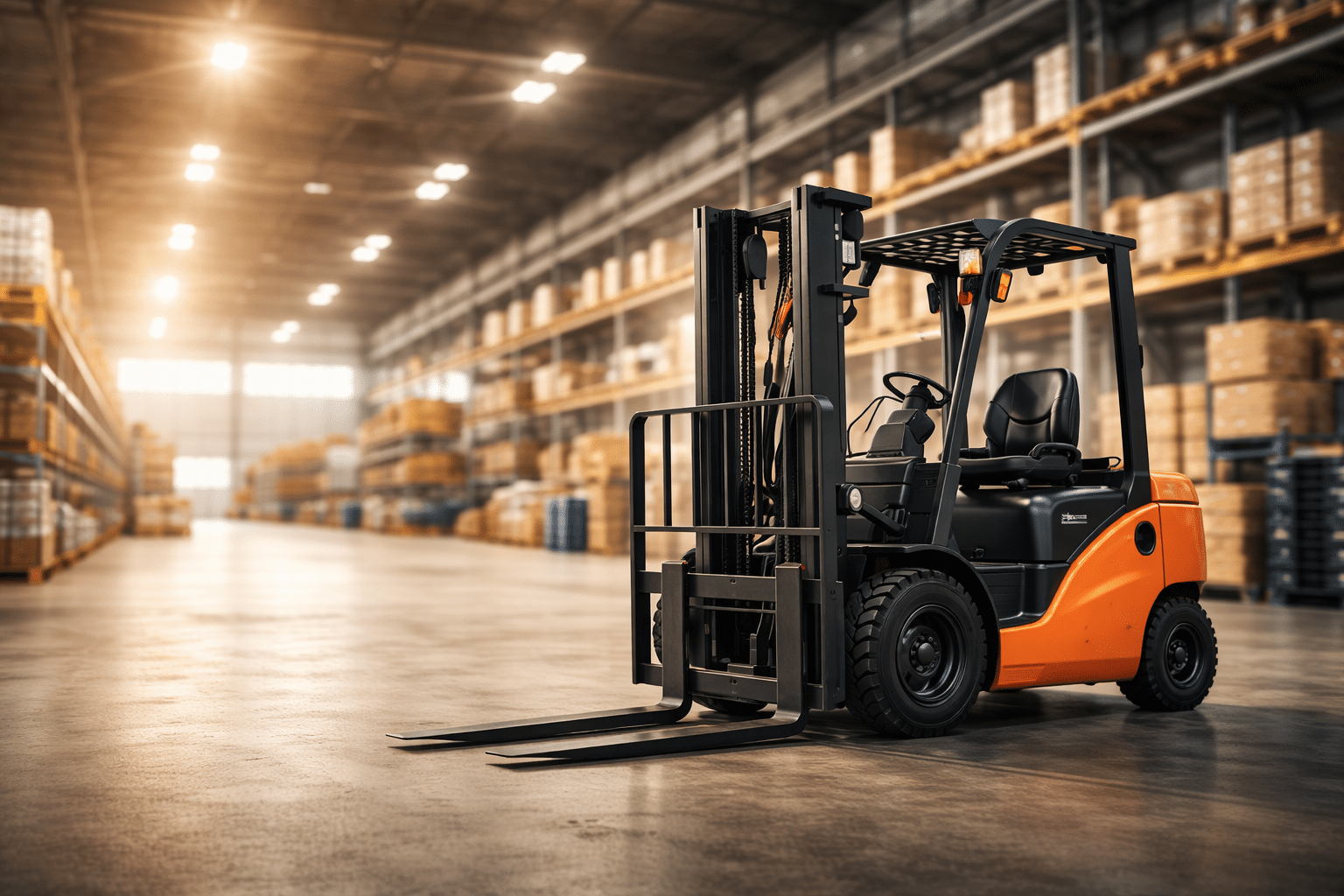
Moving a dead electric forklift requires brake release, towing control, proper equipment, and strict safety procedures to avoid damage or injury.

A forklift is a heavy-duty ride-on vehicle designed to transport large loads over long distances or rough terrain. A stacker, on the other hand, is a compact machine designed for lifting lighter loads in narrow indoor spaces.
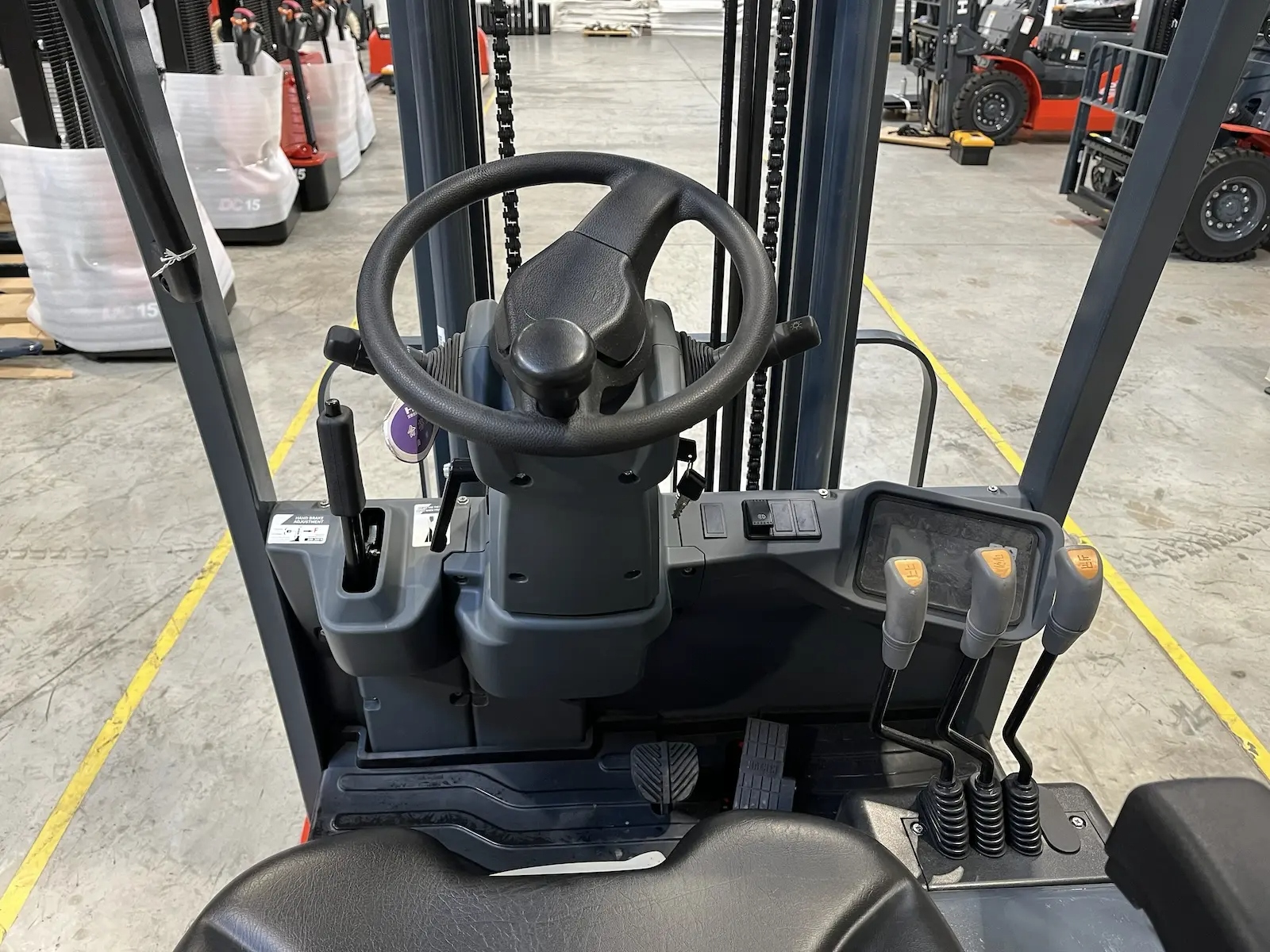
Although the general layout is similar across most forklifts, some variations exist depending on machine type, manufacturer design, and specialized attachments. Understanding these differences helps operators transition safely between different forklift models.
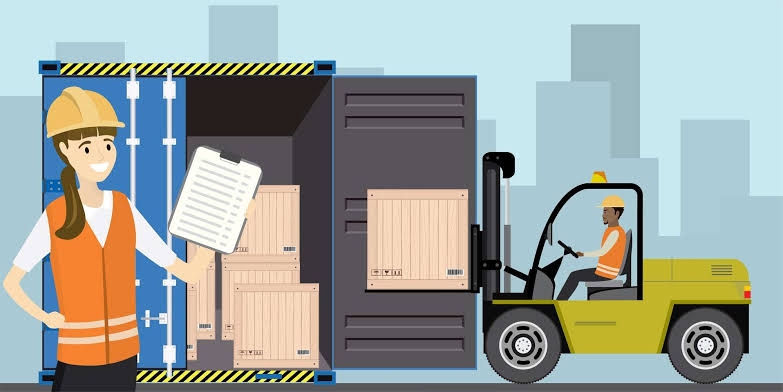
Each forklift license corresponds to a specific class of powered industrial truck. Operators must complete formal training, hands-on practice, and a performance evaluation for each category they intend to operate.
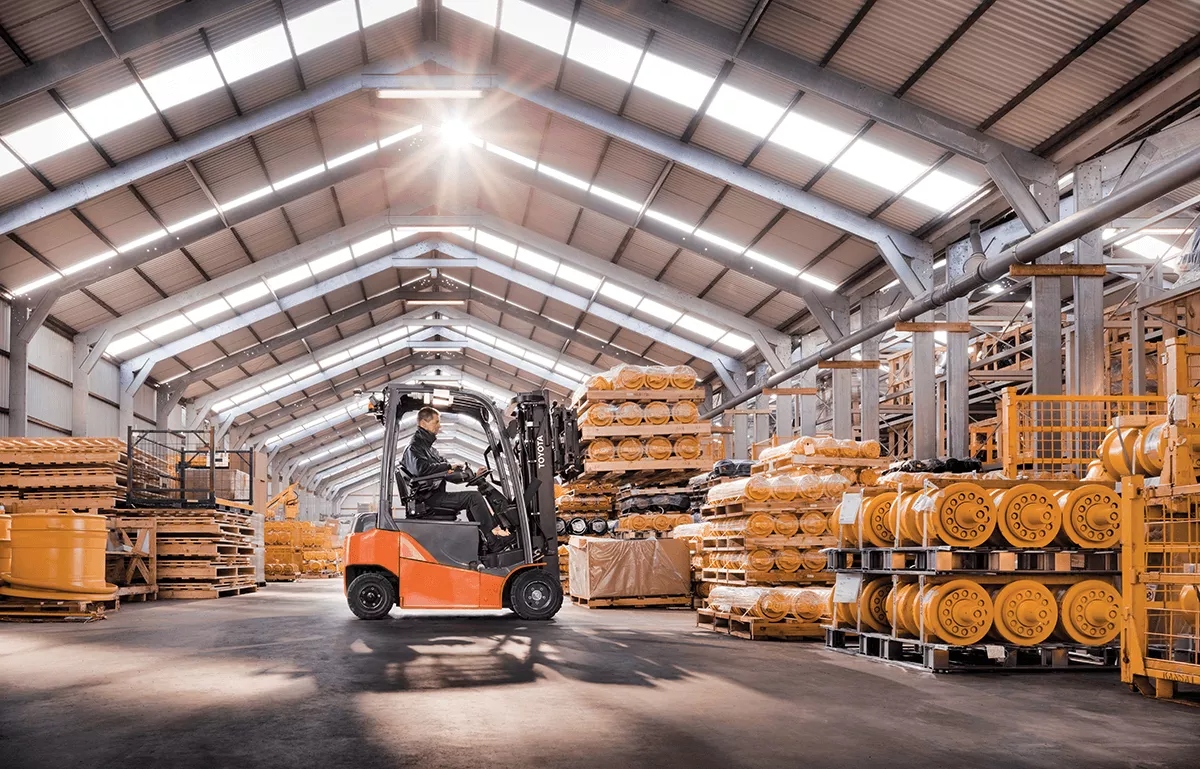
Each forklift class is designed for different applications such as indoor warehousing, outdoor construction, heavy-duty lifting, or narrow aisle operations. Choosing the correct class ensures efficiency, safety, and long-term performance.
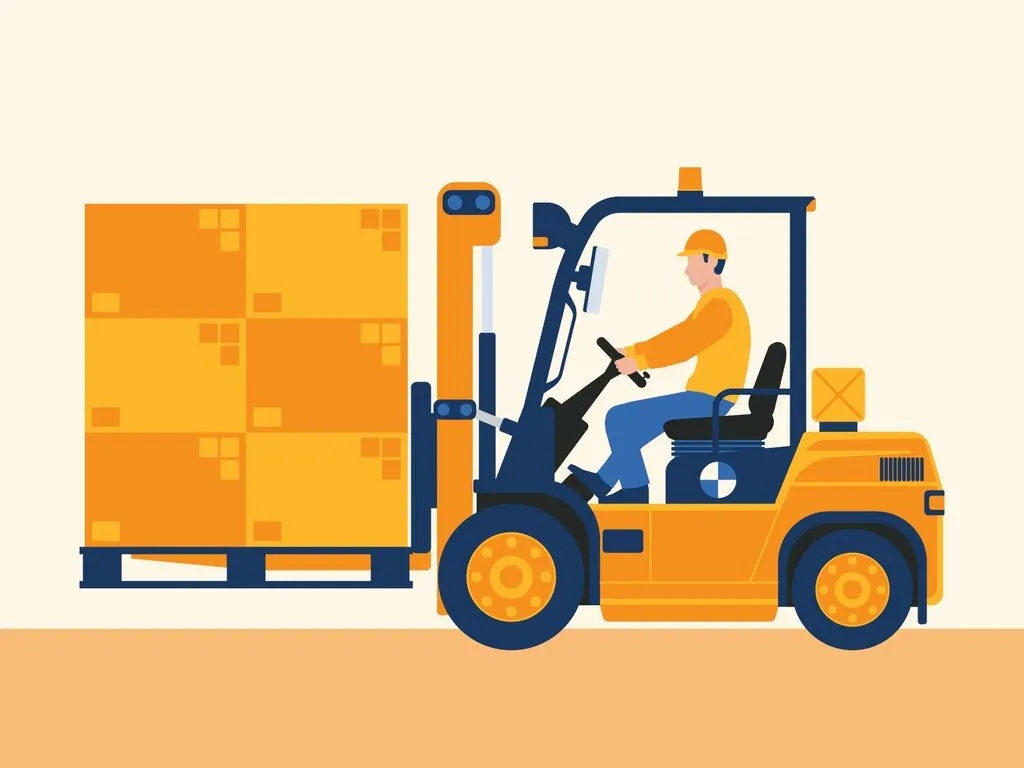
Understanding where a forklift’s center of gravity must remain is essential for safe industrial operation, OSHA compliance, and preventing serious workplace accidents. The stability of any forklift depends entirely on whether its combined center of gravity stays within the defined stability triangle during operation.
The stability triangle is an invisible geometric area that determines forklift balance. All safe forklift operation depends on keeping the center of gravity within this triangle while moving, lifting, or turning.
Modern industrial forklift systems are engineered to maintain stability, but operator behavior plays the most important role in preventing accidents.
When a load is lifted, the center of gravity moves upward, reducing stability and increasing the risk of tipping.
Sharp turns or sudden braking shift the center of gravity sideways or forward due to inertia.
Slopes, ramps, and rough terrain shift the balance point toward the edges of the stability triangle.
If a forklift’s center of gravity moves outside the stability triangle, the machine will tip over. This is one of the most common and dangerous causes of forklift accidents in warehouses and construction sites.
To reduce risk, operators must follow strict safety procedures when using equipment such as modern forklift systems.
| Factor | Effect on Center of Gravity | Risk Level |
|---|---|---|
| Load Height | Raises center of gravity | High |
| Turning Speed | Shifts balance sideways | High |
| Uneven Ground | Tilts stability triangle | Medium–High |
| Sudden Stops | Moves weight forward | High |
OSHA regulations require that forklift operators maintain full control of the machine and ensure that the combined center of gravity remains within the stability triangle at all times.
Proper training on modern forklift equipment helps operators understand how balance shifts during real-world operations.
Forklift stability is not just a design feature—it is a safety system. Even small changes in load position, speed, or terrain can drastically affect balance and increase accident risk.
A forklift’s center of gravity must always remain within the stability triangle to ensure safe operation. Understanding how loads, movement, and terrain affect stability is essential for preventing accidents.
With proper training and safe operation of industrial forklift systems, operators can maintain full control and reduce workplace risks significantly.