
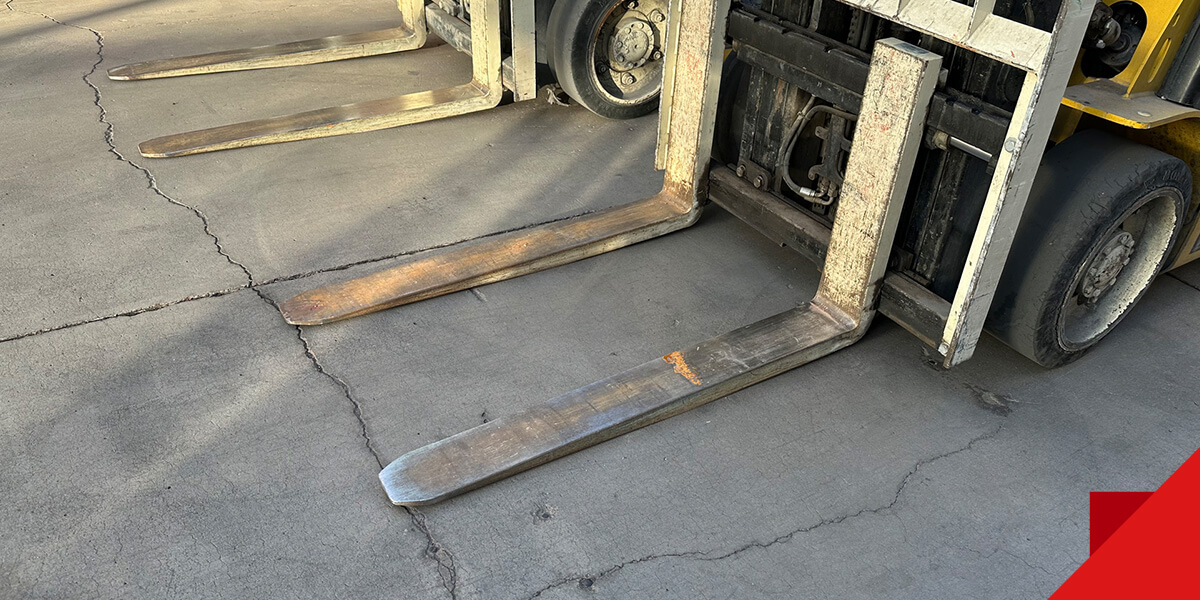
How to Cover Up Dents and Scratches on a Forklift
Clean and degrease the damaged area, remove rust, straighten shallow dents where appropriate, sand the surface, apply body filler if needed, use compatible primer, and finish with manufacturer-matched industrial enamel. Never hide cracks, bent forks, damaged welds, or structural deformation with filler or paint.
Forklifts regularly work near pallets, racks, trailers, walls, steel posts, and other equipment. As a result, cosmetic damage is common even when the truck remains mechanically sound. Surface scratches may expose bare metal to moisture, while dents can make a relatively new forklift appear poorly maintained.
The correct repair method depends on where the damage is located and whether it is purely cosmetic. Scratches on body panels, battery covers, counterweight covers, and non-structural guards can often be repaired with standard refinishing techniques. Damage to load-bearing or protective components requires professional inspection before any cosmetic work begins.
First Determine Whether the Damage Is Cosmetic
Before sanding or painting, inspect the damaged area carefully. A small dent in a removable side panel is very different from deformation in the mast, overhead guard, carriage, fork shank, or chassis.
| Damaged Area | Typical Response |
|---|---|
| Painted side panel | Usually suitable for cosmetic refinishing |
| Battery cover | Repair if hinges, latches, and ventilation remain functional |
| Counterweight surface | Minor surface damage may be refinished after inspection |
| Fork blade or fork heel | Do not conceal damage; obtain a professional inspection |
| Mast rail or carriage | Remove the forklift from service if bent, cracked, or distorted |
| Overhead guard | Structural damage requires authorized evaluation |
| Safety label area | Replace damaged labels rather than painting over them |
Paint and body filler must never be used to conceal cracks, broken welds, bent forks, damaged mast channels, loose counterweights, or deformed protective structures. These conditions may affect safe operation.
Tools and Materials You May Need
- Industrial degreaser or approved cleaning agent
- Clean microfiber cloths
- Plastic scraper
- Sandpaper in several grits
- Wire brush or rust-removal wheel
- Automotive-style dent puller
- Body hammer and dolly for removable panels
- Metal-compatible body filler
- Glazing putty for small imperfections
- Corrosion-resistant primer
- Manufacturer-matched enamel paint
- Masking tape and protective paper
- Safety glasses, gloves, and suitable respiratory protection
Step-by-Step Forklift Dent and Scratch Repair Guide
- Park and isolate the forklift. Lower the forks, apply the parking brake, switch off the truck, remove the key, and follow workplace lockout procedures when necessary.
- Inspect the damage. Confirm that the affected part is cosmetic and does not support a load or protect the operator.
- Clean the area. Remove grease, oil, dirt, wax, adhesive residue, and loose paint.
- Remove rust. Sand or brush corrosion back to stable, clean metal.
- Repair the dent. Use an appropriate dent puller or remove the panel for controlled reshaping.
- Sand the scratch. Feather the damaged paint edges so the repair blends smoothly.
- Apply filler if required. Use thin layers and allow each layer to cure completely.
- Prime the exposed metal. Apply a compatible corrosion-resistant primer.
- Apply touch-up paint. Build several light coats rather than one heavy coat.
- Inspect the finished repair. Confirm that labels, lights, controls, cooling openings, and moving components remain unobstructed.
1. Preparation
Good preparation determines whether the repair lasts. Paint applied over grease, hydraulic oil, rust, or loose coating will usually peel or bubble.
Start by parking the forklift in a designated maintenance area with adequate ventilation and lighting. Lower the forks completely and prevent unauthorized use while the repair is being completed.
Clean the damaged section with an approved degreaser. Avoid using highly flammable solvents near batteries, fuel systems, chargers, or ignition sources. Allow the surface to dry fully before sanding.
Wash a wider area than you plan to paint. Silicone, oil, and polishing products outside the visible scratch can contaminate the new coating and cause small craters known as fisheyes.
2. Fixing Dents
Shallow Dents in Removable Panels
Small dents in thin, non-structural body panels can often be improved with a suction dent puller or adhesive pulling system. Clean the paint first so the puller can grip securely.
If the panel can be removed safely, a technician may use a body hammer and dolly from the rear. Work slowly from the outside edges of the dent toward the center. Excessive hammering can stretch the metal and make the surface harder to repair.
Deep or Creased Dents
A sharply creased dent may require professional panel repair or replacement. Thick forklift steel does not always respond well to automotive-style suction tools.
Do not drill holes into the panel simply to attach a dent puller unless the repair method is approved. Drilling may expose electrical wiring, batteries, hydraulic hoses, fuel lines, or structural components behind the panel.
| Dent Type | Recommended Method |
|---|---|
| Small rounded dent | Suction or adhesive dent puller |
| Accessible removable panel | Body hammer and dolly |
| Deep crease | Professional repair or panel replacement |
| Cracked or distorted structural part | Authorized forklift technician or engineer |
| Damage near wiring or hydraulics | Inspect behind the panel before repair |
3. Fixing Scratches
Light Clear-Coat or Surface Scratches
A shallow scratch that has not reached bare metal may be improved with a fine polishing compound. Test a small area first because forklift paint is often a durable industrial enamel rather than automotive clear coat.
Scratches Through the Paint
When bare metal is visible, the area should be sanded and sealed to prevent corrosion. Begin with a grit appropriate for removing loose paint and rust, then move to finer paper to feather the surrounding coating.
Clean the area again after sanding. Dust left beneath primer or paint can create a rough finish and reduce adhesion.
Deep Gouges
For a deep gouge in a cosmetic panel, apply a thin layer of metal-compatible body filler. After it cures, sand it level with the surrounding surface. Use glazing putty only for small pinholes and shallow imperfections.
Do not sand away identification numbers, safety markings, capacity information, or required warning labels. Replace damaged decals with correct manufacturer-approved labels.
4. Applying Touch-Up Paint
Use a paint color matched to the forklift manufacturer and model whenever possible. Industrial enamel is usually more durable than general-purpose spray paint and better able to resist oil, sunlight, cleaning, and abrasion.
Apply primer over exposed steel and repaired filler. Follow the product instructions for drying time, sanding, and temperature.
When applying color:
- Mask nearby hoses, chains, tires, controls, and labels
- Use several thin coats
- Allow the required flash time between coats
- Avoid spraying onto brake surfaces or tire tread
- Keep paint away from electrical connectors
- Do not coat hydraulic cylinder rods
- Do not paint mast chains or rollers
- Allow full curing before returning the truck to service
Can You Paint Forklift Forks?
Paint may be used on permitted areas for corrosion protection and visibility, but it must not conceal wear, cracks, markings, or other defects. Fork tips and load-contact surfaces wear quickly, so cosmetic paint will not remain intact for long.
Do not use thick filler on forks. It can hide surface cracks or wear and may interfere with inspection. A damaged fork should be withdrawn from service and inspected by a qualified person.
Using Fork and Edge Protectors
Slip-on polyurethane or rubber protectors can help reduce cosmetic damage when handling sensitive loads. They may also reduce scratching on finished metal, stone, painted products, or delicate pallets.
Protectors must be designed for forklift use and secured so they cannot slide off. They also add thickness and may change fork clearance, load contact, or effective load center.
| Protector Type | Common Use | Important Limitation |
|---|---|---|
| Polyurethane fork cover | Finished metal and delicate loads | Inspect for wear and secure fit |
| Rubber fork sleeve | Reducing scratches and improving grip | May reduce fork clearance |
| Magnetic fork cover | Temporary protection for smooth loads | Must not detach during operation |
| Corner or edge guard | Protecting body-panel edges | Must not block visibility or access |
How Much Does It Cost to Repair a Forklift?
Forklift repair costs vary by location, truck type, labor availability, travel distance, parts pricing, and the severity of the problem. Cosmetic work is generally less expensive than hydraulic, electrical, mast, transmission, or structural repair.
A mobile or off-site technician may charge approximately $120 to $270 or more per labor hour, with some service providers averaging around $180 per hour. Travel time, diagnostic charges, minimum service-call fees, and emergency scheduling may be billed separately.
| Repair Type | Approximate Planning Range |
|---|---|
| Small scratch touch-up | $50–$250 |
| Minor cosmetic panel repair | $200–$600 |
| Panel dent repair and repainting | $400–$1,200 |
| Minor common mechanical repair | $300–$1,200 |
| Hydraulic or electrical repair | $500–$2,500+ |
| Major mast, transmission, or structural repair | $1,500–$5,000+ |
These figures are broad budgeting estimates rather than fixed national prices. Always request an itemized quotation showing labor hours, travel charges, parts, shop supplies, disposal fees, paint materials, and taxes.
Cost Breakdown by Repair Type
Cosmetic Body Repair
Small scratches may require only sanding, primer, and touch-up paint. Deep dents increase labor because the panel must be removed, straightened, filled, sanded, primed, and repainted.
Fork or Carriage Repair
Load-bearing components require qualified inspection and may need replacement. Repairing or replacing forks, locks, carriage rollers, or structural components can cost significantly more than a cosmetic panel repair.
Hydraulic Repair
Leaking cylinders, hoses, seals, and control valves involve fluid handling, parts replacement, system testing, and cleanup. Labor can rise quickly if the mast must be disassembled.
Electrical Repair
Modern electric forklifts may use controllers, displays, sensors, cameras, contactors, battery-management systems, and communication wiring. Diagnostic work should be completed by trained technicians using the correct service information.
When Should a Forklift Be Removed From Service?
Do not continue using the forklift when the damage affects safe operation. Remove it from service when you find:
- Cracked or bent forks
- Damaged fork-positioning locks
- Cracks in the mast, carriage, or overhead guard
- Loose counterweight fasteners
- Exposed or damaged electrical wiring
- Hydraulic leaks
- Fuel-system damage
- Sharp body edges near the operator
- Damage that interferes with controls or visibility
- Missing or unreadable capacity plates
Never repaint a forklift merely to hide evidence of an impact. The underlying damage must be inspected and corrected before cosmetic refinishing begins.
How to Prevent Future Dents and Scratches
- Inspect travel routes. Remove obstructions and provide adequate clearance around racks, doors, and posts.
- Train operators. Emphasize controlled speed, rear-end swing, visibility, and load handling.
- Install barriers. Protect walls, columns, chargers, and pedestrian areas with rated guards.
- Use visibility aids. Mirrors, cameras, lights, and sensors can reduce low-speed impacts.
- Maintain floor markings. Clearly identify traffic lanes, parking spaces, and restricted areas.
- Use suitable protectors. Add approved fork sleeves or edge guards for delicate loads.
- Investigate every collision. Repair the cause instead of repeatedly repainting the damage.
Maintaining a Professional Forklift Fleet
Clean, well-maintained equipment creates a more professional workplace and makes new leaks, cracks, corrosion, and impact damage easier to identify.
Modern forklifts should be cleaned according to manufacturer instructions, with care taken around electrical components, batteries, displays, cameras, controllers, and charging connections.
Keep repair records for each truck, including impact reports, photographs, replacement panels, paint codes, technician findings, and structural inspections. This documentation helps distinguish routine cosmetic wear from repeated collision patterns.
Final Answer
To cover up minor dents and scratches on a forklift, clean and degrease the damaged area, remove corrosion, repair non-structural dents, feather the paint edges, apply filler where necessary, prime bare metal, and finish with manufacturer-matched industrial enamel.
Do not apply paint or filler over cracks, bent forks, damaged mast components, broken welds, or other safety-related defects. These problems require inspection and repair by authorized personnel before the forklift returns to service.
Cosmetic repairs may cost less than $250 for small touch-ups, while dent repair and panel refinishing can range from several hundred dollars to more than $1,000. Major mechanical or structural repairs may exceed $5,000.
Whether maintaining conventional trucks or modern electric forklifts, prioritize safe operating condition first and appearance second.
Add a review
Your email address will not be published. Required fields are marked *