
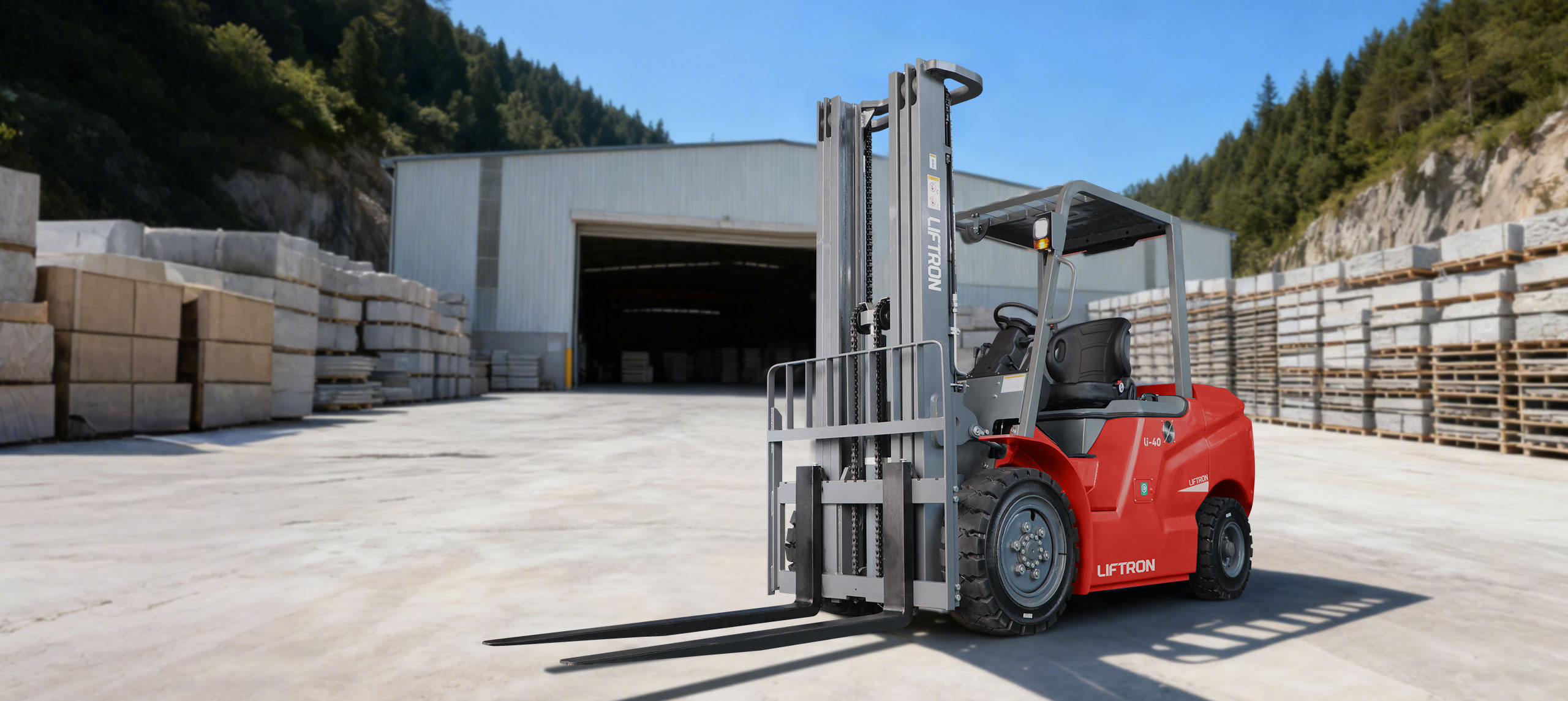
Can Electric Forklifts Be Used Outside?
Yes, electric forklifts can be used outside for tasks such as loading trucks, moving materials on paved surfaces, and operating in dry outdoor areas. Before outdoor use, check weather conditions, tire type, battery protection, and manufacturer recommendations.
Modern electric forklifts are becoming increasingly popular because they provide quiet operation, lower maintenance, and zero direct emissions. While they are traditionally associated with indoor warehouses, many electric forklift models can perform outdoor tasks when operating conditions are suitable.
However, electric forklifts are not designed for every outdoor environment. Rain, uneven terrain, extreme temperatures, and rough surfaces can affect performance, battery life, and equipment durability.
Can Electric Forklifts Handle Outdoor Operations?
Electric forklifts can handle many outdoor applications, but their suitability depends on the specific model and working environment.
Common outdoor applications include:
- Loading and unloading trucks
- Moving pallets between buildings
- Transporting materials across paved yards
- Supporting warehouse receiving areas
- Operating under covered outdoor structures
| Outdoor Condition | Electric Forklift Suitability |
|---|---|
| Dry paved surface | Excellent |
| Loading dock operations | Excellent |
| Covered outdoor areas | Very suitable |
| Light rain exposure | Depends on model protection |
| Mud, gravel, rough terrain | Usually not recommended |
Key Things to Know Before Using an Electric Forklift Outside
1. Check the IP Rating
The IP rating indicates how well electrical components are protected against dust and water.
Outdoor environments expose forklifts to moisture, dirt, and weather conditions. A forklift designed primarily for indoor use may not have enough protection against heavy rain or water exposure.
| IP Protection Level | Outdoor Consideration |
|---|---|
| Low protection | Better suited for indoor environments |
| Moderate protection | Suitable for limited outdoor use |
| High protection | Better resistance to dust and moisture |
2. Consider Weather Limits
Weather conditions can affect electric forklift performance.
Important factors include:
- Rain exposure
- Snow and ice
- Humidity
- Strong winds
- Water accumulation
Electric components, connectors, and battery systems should be protected from excessive moisture. Always follow the manufacturer's outdoor operating guidelines.
Avoid leaving electric forklifts exposed to heavy rain or standing water for long periods. Store equipment in a dry location whenever possible.
3. Choose the Correct Tire Type
Tire selection has a major impact on outdoor performance.
| Tire Type | Recommended Use |
|---|---|
| Cushion Tires | Indoor warehouses and smooth floors |
| Solid Tires | Industrial areas requiring durability |
| Pneumatic Tires | Outdoor surfaces and uneven terrain |
Electric forklifts with cushion tires may struggle on gravel, dirt, or rough surfaces. Models equipped with suitable tires provide better traction and stability.
4. Extreme Temperatures
Temperature affects battery performance, especially lithium-ion systems.
| Temperature Condition | Potential Impact |
|---|---|
| Very cold temperatures | Reduced battery performance and charging speed |
| High temperatures | Increased battery stress |
| Moderate temperatures | Best operating efficiency |
For outdoor operations in extreme climates, select a forklift and battery system designed for those conditions.
5. Evaluate Terrain Conditions
Outdoor terrain is one of the biggest differences between indoor and outdoor forklift applications.
| Terrain | Recommended Equipment |
|---|---|
| Smooth concrete | Electric forklift |
| Asphalt yard | Electric forklift with suitable tires |
| Gravel surface | Rough terrain forklift |
| Mud or uneven ground | Specialized outdoor forklift |
What Type of Forklift Is Best for Outdoor Use?
The best outdoor forklift depends on the environment and workload.
| Forklift Type | Best Application |
|---|---|
| Diesel Rough Terrain Forklift | Construction sites and uneven outdoor areas |
| LPG Forklift | Mixed indoor and outdoor operations |
| Electric Pneumatic Forklift | Clean outdoor environments |
| Electric Counterbalance Forklift | Paved outdoor areas and warehouses |
What Are the Advantages of Using Electric Forklifts Outside?
When used in suitable conditions, electric forklifts provide several benefits.
| Advantage | Benefit |
|---|---|
| No direct emissions | Suitable for clean environments |
| Quiet operation | Reduces workplace noise |
| Lower maintenance | Fewer mechanical components |
| Energy efficiency | Reduces operating expenses |
| Consistent performance | Reliable material handling |
What Are the Disadvantages of Electric Forklifts?
Although electric forklifts provide many advantages, they also have some limitations for outdoor use.
| Disadvantage | Explanation |
|---|---|
| Weather sensitivity | Electrical systems require protection from moisture |
| Charging requirements | Requires planned charging infrastructure |
| Terrain limitations | Some models are not designed for rough surfaces |
| Battery temperature concerns | Extreme temperatures affect performance |
| Higher initial cost | Battery technology increases upfront investment |
How to Prepare an Electric Forklift for Outdoor Use
-
Check the forklift specifications.
Confirm the model is suitable for outdoor operation. -
Inspect tires and traction.
Make sure the tires match the surface conditions. -
Review weather conditions.
Avoid unsafe weather situations. -
Check battery condition.
Ensure sufficient charge before outdoor operation. -
Inspect safety equipment.
Check brakes, lights, alarms, and steering. -
Store properly after use.
Protect the forklift from unnecessary weather exposure.
How Modern Electric Forklifts Improve Outdoor Operations
Advances in lithium battery technology, electronic controls, and intelligent management systems have improved electric forklift performance.
Modern electric forklifts can support a wider range of applications by providing:
- Longer operating time
- Faster charging
- Better energy efficiency
- Improved control systems
- Lower maintenance requirements
Conclusion
Electric forklifts can be used outside when the environment matches the equipment's capabilities. They are excellent for paved surfaces, loading docks, warehouses, and controlled outdoor operations.
However, businesses should consider weather protection, tire selection, temperature conditions, and terrain before moving electric forklifts outdoors.
Choosing the right equipment ensures better performance, longer battery life, and safer operation. Modern electric forklifts provide an efficient solution for businesses looking to combine clean operation with reliable material handling performance.
Add a review
Your email address will not be published. Required fields are marked *