
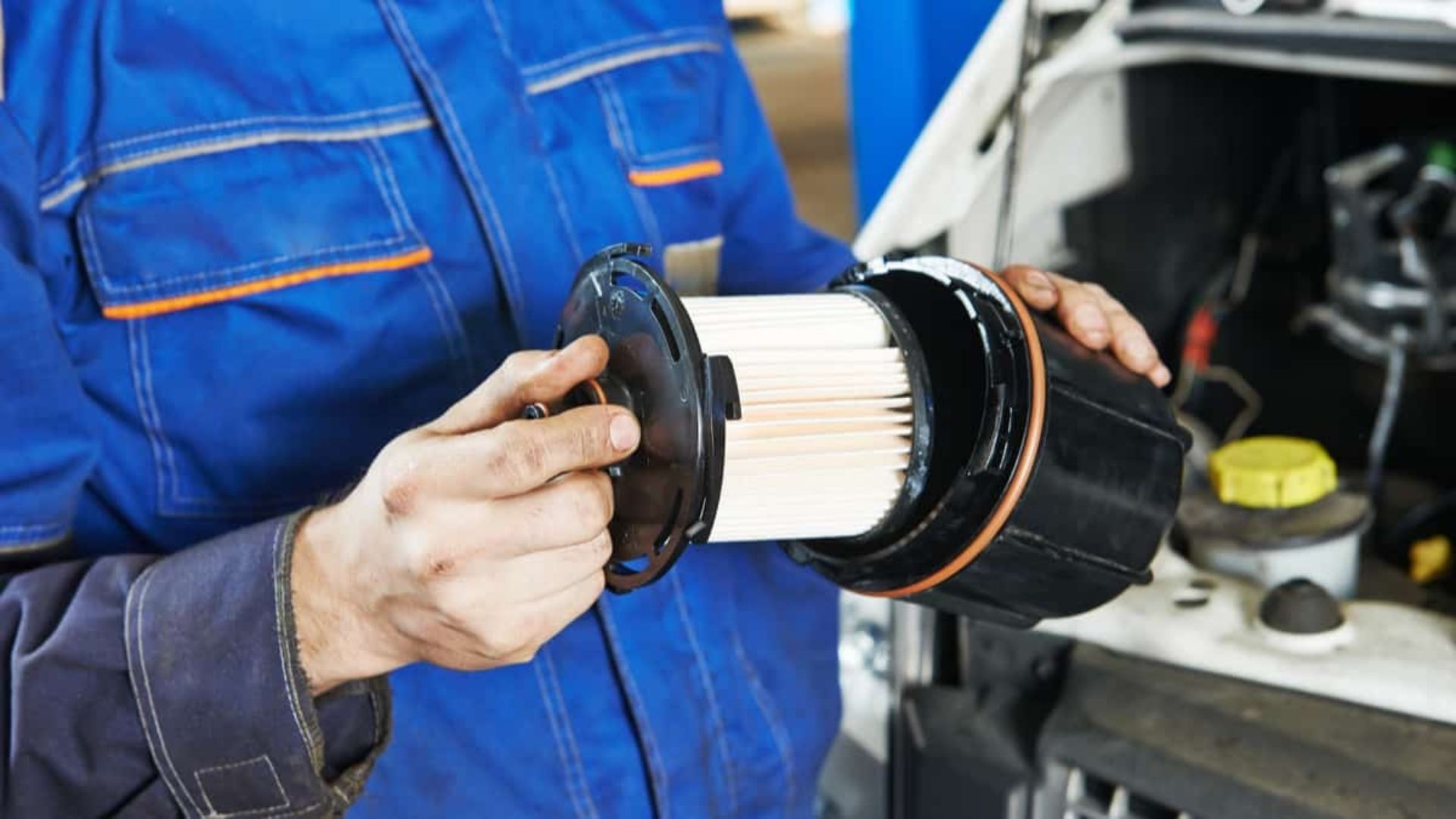
how to change fuel filter on diesel forklift
Performing a fuel filter change on a diesel forklift is essential maintenance that ensures engine efficiency, prevents costly injector damage, and extends equipment lifespan. This guide provides a step-by-step procedure for replacing the fuel filter on common diesel forklift models, including tips for safety and system priming.
Why Regular Fuel Filter Changes Matter
Diesel fuel often contains contaminants like water, dirt, and microbial growth. Over time, a clogged fuel filter restricts flow, causing hard starting, reduced power, and increased smoke. Regular replacement—typically every 500–1,000 hours of operation or according to the manufacturer’s schedule—protects the injection pump and injectors from abrasive particles. For operators using quality equipment like the Liftron Material Handling forklifts, adhering to filter intervals helps maintain optimal performance and resale value.
Tools and Materials Needed
- New fuel filter (replace with OEM or equivalent spec)
- Wrench set (typically 10–17 mm)
- Oil filter wrench or strap wrench
- Clean rags and gloves
- Drain pan for spilled fuel
- Diesel fuel (for priming)
- Priming pump or hand primer (if equipped)
Step-by-Step Fuel Filter Replacement
1. Safety First
Park the forklift on level ground, engage the parking brake, and turn off the engine. Allow the engine to cool to avoid burns. Disconnect the battery ground cable to prevent accidental starting. Work in a well-ventilated area away from open flames—diesel is less volatile than gasoline but still flammable.
2. Locate the Fuel Filter
On most diesel forklifts, the fuel filter is mounted on the engine block or chassis near the fuel injection pump. Models like the Liftron DL SERIES may feature spin-on canister filters or cartridge-style housings. If unsure, consult the operator’s manual or trace the fuel line from the tank to the engine.
3. Drain the Fuel System (if applicable)
Some systems have a drain valve or plug at the filter housing. Place a drain pan underneath and open the drain to release fuel pressure and reduce spillage. If no drain exists, place rags around the filter to absorb drips.
4. Remove the Old Filter
For spin-on filters, use a filter wrench to loosen and remove the canister counterclockwise. Expect some fuel spillage. For cartridge filters, unscrew the housing bowl, remove the old element, and clean the housing interior with a lint-free cloth. Inspect the O-ring on the new filter or housing—lubricate it with clean diesel oil before installation.
5. Install the New Filter
Spin-on type: Fill the new filter about halfway with clean diesel fuel (this reduces air in the system). Screw it on hand-tight until the gasket contacts, then tighten an additional 3/4 turn using the wrench. For cartridge type: Insert the new element, replace the O-ring, and tighten the housing securely but not over-tightened.
6. Prime the Fuel System
Diesels need air removed from the fuel lines after filter replacement. Locate the manual priming pump (often a plunger or lever on the fuel lift pump or filter head). Pump until resistance increases and fuel exits the bleeder screw (if present) or until the filter appears full. Alternatively, turn the key to “run” without starting to activate an electric primer (if equipped).
7. Check for Leaks
Reconnect the battery and start the engine. Let it idle for a minute and inspect the filter and connections for leaks. Rev the engine briefly and re-check. Tighten any leaking fittings gently—over-tightening can crack the housing.
Common Mistakes to Avoid
| Mistake | Consequence |
|---|---|
| Skipping the priming step | Engine may fail to start or run roughly from air locks |
| Using incorrect filter type | Poor filtration can damage injectors |
| Over-tightening spin-on filter | Damaged gasket or housing, causing leaks |
| Not draining water separator | Water in fuel can cause injector failure |
When to Seek Professional Help
If you encounter excessive water or debris in the filter, or if the engine still runs poorly after replacement, the issue may involve the fuel pump, injectors, or contaminated tank. In such cases, contact an authorized service center like those working with Liftron Material Handling for proper diagnostics. Their technicians are trained to handle complex fuel system issues.
Maintaining Your Diesel Forklift
Along with regular fuel filter changes, keep the fuel tank clean, change the air filter, and use high-quality diesel fuel. For modern forklifts like the Liftron DL SERIES, which utilize advanced lithium-ion technology for electric models, diesel counterparts still benefit from disciplined maintenance schedules. A well-maintained forklift reduces downtime and lowers total ownership cost.
By following this guide, you can replace the diesel fuel filter on your forklift confidently. Always prioritize safety, use correct parts, and prime the system properly to ensure reliable starts and smooth operation.

Add a review
Your email address will not be published. Required fields are marked *