
What Are the Advantages of an Electric Forklift?
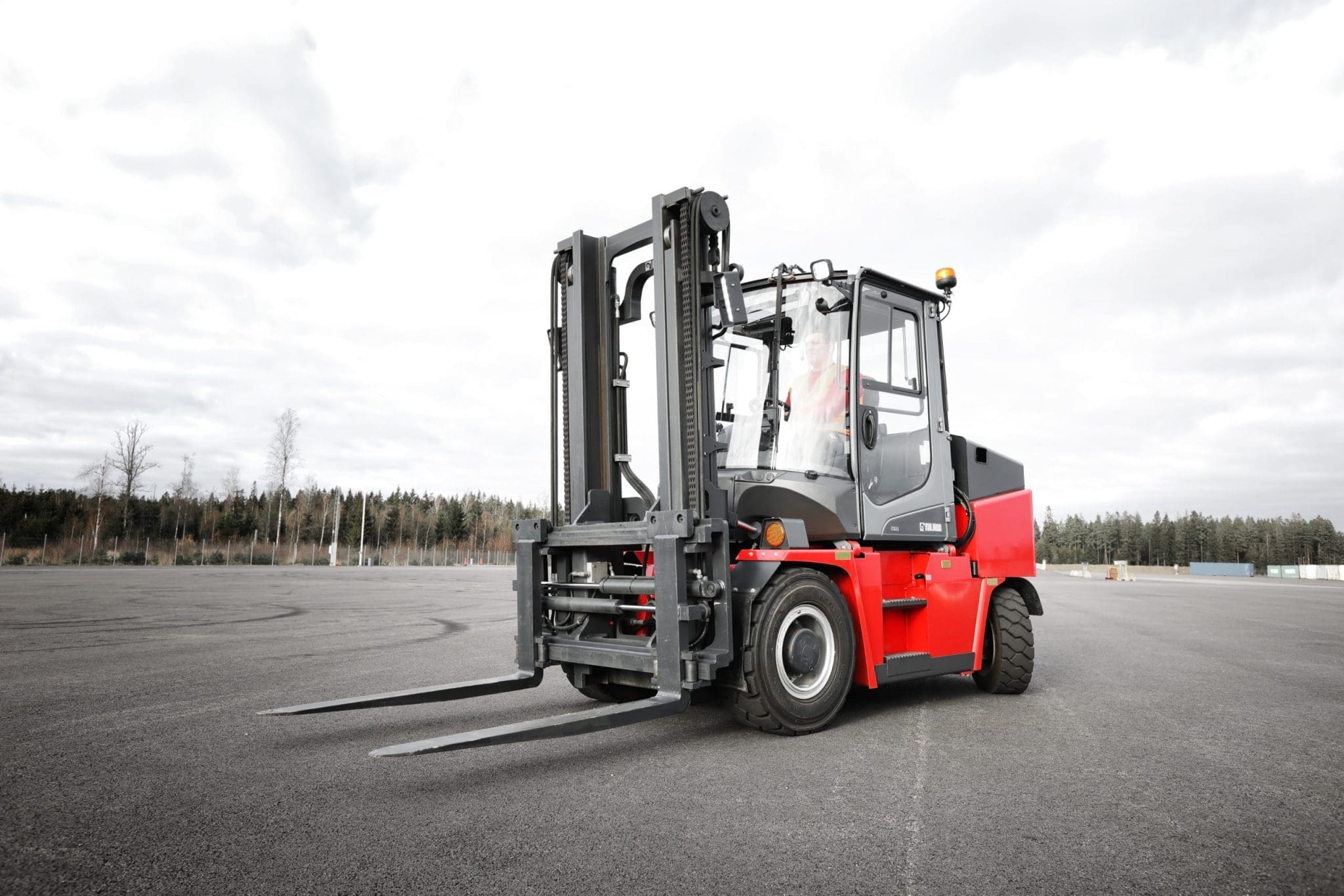
Electric forklifts have become the preferred choice for many warehouses, logistics centers, and manufacturing facilities due to their efficiency, cleanliness, and long-term cost savings. Modern electric forklifts offer significant improvements over traditional combustion-powered machines, making them ideal for indoor and mixed-use environments.
1. Zero Emissions & Clean Air
One of the most important advantages of electric forklifts is their zero tailpipe emissions. Since they run on batteries instead of fuel, they do not produce carbon monoxide, nitrogen oxides, or particulate matter.
This makes electric forklifts ideal for indoor environments such as warehouses, food storage facilities, and pharmaceutical operations where air quality is critical.
2. Reduced Noise Levels
Electric forklifts operate significantly quieter than internal combustion models. The absence of a combustion engine reduces noise pollution, creating a more comfortable and safer working environment for employees.
Lower noise levels also improve communication between operators and pedestrians, reducing the risk of accidents in busy warehouse environments.
3. Lower Operating & Maintenance Costs
Electric forklifts generally have fewer moving parts than gas or diesel machines. This means there is less wear and tear, fewer oil changes, and reduced mechanical maintenance requirements.
Cost Advantages
- No fuel costs (electricity is cheaper than diesel or propane)
- Fewer mechanical breakdowns
- Reduced service frequency
- Longer component lifespan
4. Superior Maneuverability
Electric forklifts are typically more compact and easier to control than internal combustion forklifts. This makes them ideal for narrow aisles and high-density warehouse layouts.
Advanced steering systems and precise acceleration controls allow operators to handle loads with greater accuracy and safety.
5. Ergonomics & Operator Safety
Electric forklifts are designed with operator comfort in mind. Reduced vibration, smoother acceleration, and easier controls contribute to a safer and less fatiguing work environment.
Safety systems on modern electric forklifts also help reduce accidents by improving stability and visibility.
6. No Fuel Storage Required
Unlike gas or diesel forklifts, electric models do not require on-site fuel storage. This eliminates risks associated with flammable fuels and reduces workplace hazards.
Benefits of No Fuel Storage
- Lower fire risk
- No fuel delivery logistics
- Cleaner warehouse environment
- Reduced regulatory requirements
Electric Forklift Advantages Summary Table
| Advantage | Benefit |
|---|---|
| Zero Emissions | Cleaner indoor air and environmental compliance |
| Low Noise | Improved communication and safer workplace |
| Lower Maintenance | Reduced repair costs and downtime |
| High Efficiency | Better energy use and productivity |
| Compact Design | Improved maneuverability in tight spaces |
Step-by-Step: Why Businesses Choose Electric Forklifts
- Evaluate warehouse environment and load requirements
- Compare operational costs vs combustion forklifts
- Assess indoor air quality and safety requirements
- Consider maintenance and long-term savings
- Choose appropriate electric forklift model
What Are the Disadvantages of Electric Forklifts?
Although electric forklifts have many advantages, they also have some limitations:
- Higher initial purchase cost
- Charging time required between shifts
- Reduced performance in extreme outdoor conditions (depending on model)
- Battery replacement costs over time
However, many of these disadvantages are reduced with modern lithium-ion battery technology, which offers faster charging and longer service life.
Modern Electric Forklift Technology
Today’s electric forklifts are far more advanced than older models. Improvements in battery efficiency, motor performance, and energy management systems have made them highly competitive in both indoor and outdoor environments.
Businesses using electric forklifts benefit from cleaner operations, improved productivity, and lower long-term costs.
Conclusion
Electric forklifts provide clear advantages including zero emissions, lower operating costs, reduced maintenance, improved safety, and quieter operation. While they do have some limitations, modern technology continues to close the gap with combustion forklifts.
For most warehouse and industrial applications, electric forklifts represent a smart, long-term investment in productivity and sustainability.
Add a review
Your email address will not be published. Required fields are marked *