
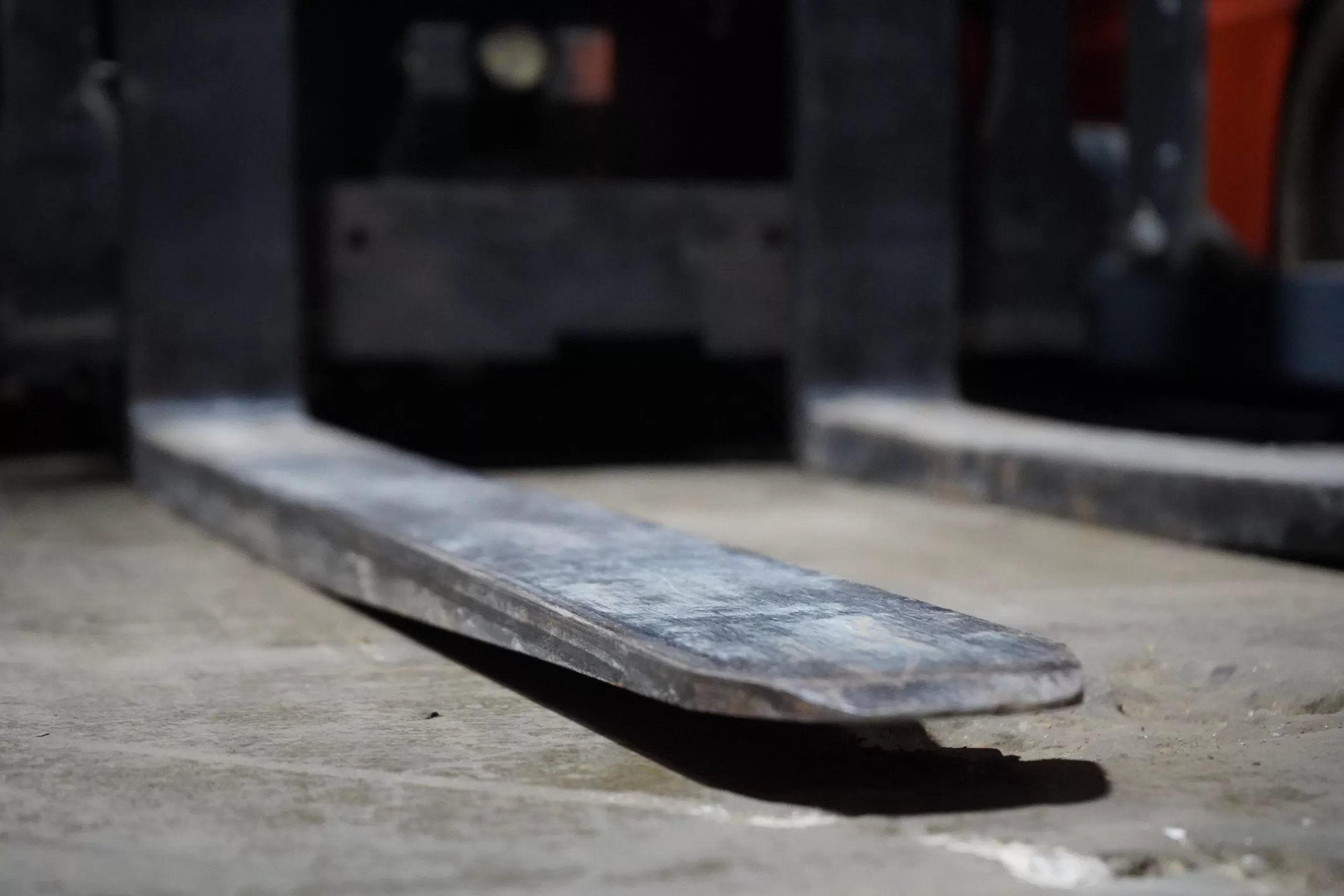
What metal are forklift forks made of
Forklift forks are primarily made of high-strength alloy steel, specifically 4140 or 4340 steel, which offer exceptional durability and resistance to bending under heavy loads. These materials undergo precise heat treatment to achieve optimal hardness, ensuring longevity and safety in material handling operations.
Why Alloy Steel Is the Standard Choice
The selection of alloy steel for forklift forks is driven by the need for a material that can withstand extreme stress, fatigue, and impacts without failing. Alloy steels like 4140 and 4340 contain elements such as chromium, molybdenum, and nickel, which enhance tensile strength and toughness. These properties are critical because forks must support loads ranging from a few thousand pounds to over 50,000 pounds, often in rugged industrial environments. The steel is forged, machined, and then heat-treated to achieve a uniform structure that resists deformation and cracking.
Key Mechanical Properties of Fork Materials
Forklift forks must meet strict industry standards such as ANSI/ITSDF B56.1, which specify minimum yield strength and elongation. Typical requirements include:
- Yield strength: At least 100,000 psi (689 MPa)
- Tensile strength: 150,000–180,000 psi (1034–1241 MPa)
- Elongation: Minimum 12% in 2 inches
- Hardness: 38–42 HRC (Rockwell C scale)
These metrics ensure that forks can handle dynamic loads, bending moments, and occasional impacts without permanent deformation or sudden failure.
Comparison of Common Fork Alloys
| Alloy Grade | Key Alloying Elements | Typical Applications | Advantages |
|---|---|---|---|
| 4140 | Cr, Mo, Mn | General-purpose forks | Good balance of strength and ductility |
| 4340 | Ni, Cr, Mo | Heavy-duty forks | Superior toughness and fatigue resistance |
| High-strength low-alloy (HSLA) | V, Ti, Nb | Specialty forks | Reduced weight while maintaining strength |
Most standard forklift forks, including those used in Liftron Material Handling equipment, are manufactured from 4140 steel due to its cost-effectiveness and proven performance. However, for extreme applications such as handling heavy steel coils or concrete blocks, 4340 steel is preferred because of its higher resistance to fatigue.
Heat Treatment and Manufacturing Process
The raw steel undergoes a multi-step process to achieve the desired mechanical properties. First, it is hot-forged into the rough fork shape. Then, it is machined to precise dimensions, including the heel, shank, and tip. Next, heat treatment involves austenitizing at around 1550°F (843°C), quenching in oil or polymer, and tempering at 800–1000°F (427–538°C). This process refines the grain structure and creates a martensitic microstructure that balances hardness with toughness. Surface hardening may also be applied to the blade to resist wear from pallets and loads.
Importance of Proper Hardness
If forks are too hard, they become brittle and can snap under shock loading. If too soft, they bend easily. The target hardness range of 38–42 HRC ensures that forks remain resilient without being brittle. This is why Liftron DL SERIES forklifts, known for their robust performance, incorporate forks made from carefully heat-treated 4140 steel to maximize both safety and service life.
Alternatives to Alloy Steel
While alloy steel dominates the market, other materials are used in specialized contexts:
- Carbon steel (e.g., 1045): Used only in light-duty forks due to lower strength, but less common.
- Stainless steel (e.g., 304 or 316): Selected for corrosive environments such as food processing or chemical plants, though it has lower strength than alloy steel.
- Aluminum alloy: Rarely used because of insufficient load-bearing capacity, but seen in very lightweight or non-metallic handling applications.
- Cast iron: Almost never used due to brittleness and poor fatigue resistance.
In practice, over 95% of all forklift forks globally are made from 4140 or 4340 alloy steel, as these materials offer the best combination of strength, cost, and manufacturability.
Safety and Inspection Considerations
Regardless of the metal used, forks must be regularly inspected for cracks, bending, or wear. Common inspection methods include dye penetrant testing, magnetic particle inspection, and ultrasonic testing. Operators should also check the gradient and wear of the fork blade thickness. Even the highest-quality steel can fail if the fork is damaged or overloaded. Fork manufacturers recommend replacing forks when the heel wear exceeds 10% of original thickness.
In conclusion, the metal composition of forklift forks is critical to their performance and safety. High-strength alloy steel, particularly 4140 and 4340, remains the industry standard due to its excellent mechanical properties, heat treatment response, and reliability. Companies like Liftron Material Handling ensure that their forklifts, including the Liftron DL SERIES, are equipped with forks that meet or exceed these rigorous standards, providing dependable operation for demanding material handling tasks.
Add a review
Your email address will not be published. Required fields are marked *