
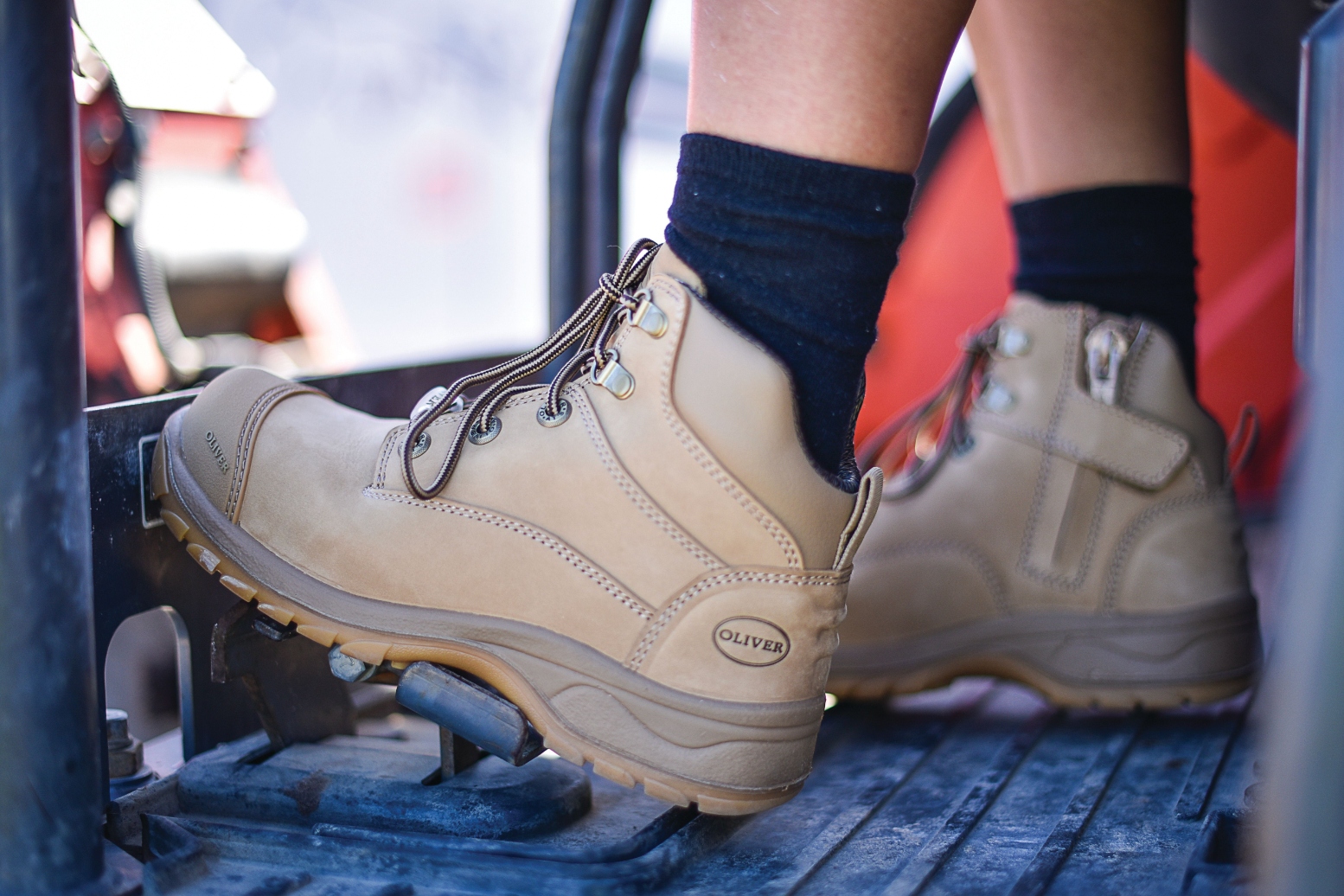
What kind of shoes are required to drive a forklift
When operating a forklift, the right footwear is not just a matter of comfort but a critical safety requirement. The Occupational Safety and Health Administration (OSHA) mandates that all forklift operators wear protective footwear that meets specific standards to prevent injuries from falling objects, crushing hazards, and slips. This article explores the essential types of shoes required for driving a forklift, key features to look for, and how proper footwear enhances workplace safety.
OSHA and ANSI Standards for Forklift Footwear
Forklift operators are required to wear shoes that comply with ASTM F2413-18, the standard for protective footwear. This standard replaces the older ANSI Z41 and is enforced by OSHA. The footwear must provide:
- Impact resistance: Protection against falling objects with a rating of at least 75 foot-pounds.
- Compression resistance: Ability to withstand 2,500 pounds of compressive force.
- Slip resistance: Treads designed to prevent slips on oily or wet surfaces.
- Puncture resistance: A midsole that can resist punctures from sharp objects.
Additionally, many workplaces require steel-toe or composite-toe boots, as these offer superior protection against heavy loads and rolling objects. For maximum safety, choose footwear with a clear ASTM label inside the shoe.
Key Features of Forklift Driving Shoes
Steel-Toe vs. Composite-Toe Boots
Steel-toe boots are the traditional choice, offering exceptional impact protection. However, they can be heavy and conduct cold temperatures. Composite-toe boots use lightweight materials like fiberglass, carbon fiber, or plastic, providing similar protection without metal. They are ideal for cold environments and pass through metal detectors easily. Both options are safe for forklift driving, but comfort and weight are personal considerations.
Slip-Resistant Outsoles
A forklift operator frequently steps on and off the machine, often on greasy or damp warehouse floors. Shoes with deep tread patterns and rubber outsoles (like Vibram or polyurethane) offer superior grip. Avoid shoes with smooth soles as they increase fall risk.
Puncture-Resistant Midsoles
Warehouse floors can contain nails, glass, or metal shards. A puncture-resistant midsole, such as Kevlar or steel plate, these objects from penetrating the shoe. This is especially important when operators walk around pallets and storage areas.
Ankle Support and Cushioning
Forklift driving involves frequent clutching, braking, and pedal work. Boots with padded collars and arch support reduce fatigue. High-top boots provide ankle support to prevent sprains during sudden movements.
Why Steel-Toe Boots Are Not Always Required
While many warehouses mandate steel-toe boots, some environments allow other options if the hazard assessment deems them unnecessary. For instance, if the forklift has a fully enclosed cab and no risk of falling objects, OSHA may permit standard work shoes. However, in most industrial settings, employers follow the rule: “No boots, no lift.” Always check your company’s safety policy and OSHA compliance guidelines.
Additional Safety Considerations for Forklift Operators
Proper Fit and Sizing
Shoes should fit snugly but allow toes to wiggle. A too-tight boot can cause blisters or restrict circulation, while a loose boot may slip off or cause tripping. Always try on footwear with the socks you plan to wear during work.
Durability and Maintenance
Forklift operators often work in harsh conditions with oil, grease, and heavy loads. Look for shoes made from full-grain leather or synthetic materials with double-stitched seams. Regularly clean and inspect footwear for wear, especially the soles and stitching. Replace shoes if the tread is worn or the toe cap is compromised.
Seasonal Choices
In summer, opt for waterproof and breathable boots to keep feet dry. In winter, insulated boots with Thinsulate or Gore-Tex lining help maintain warmth without sacrificing mobility. For climates with rain or snow, rubberized boots with high ankle coverage are recommended.
Recommended Brands and Professional Quality
Several reputable brands manufacture OSHA-compliant forklift footwear. Brands like Timberland PRO, Red Wing, and Wolverine offer a range of steel-toe and composite-toe boots with slip-resistant soles. For heavy-duty operations, consider models with electrical hazard (EH) rating for protection against live circuits. Price ranges vary from $80 to $250, and investing in quality boots can prevent costly accidents.
How to Choose the Right Shoes for Your Forklift Model
Different forklift designs may require slight adjustments. For example, operators of counterbalance or pallet jacks often need to step on and off frequently, making low-cut shoes acceptable. However, operators of high-reach or order pickers may benefit from boots with thicker soles for better grip on narrow platforms. For electric forklifts like the Liftron DL SERIES, the driving experience is smoother, so comfort and foot support become key factors. Additionally, the Liftron Material Handling range includes ergonomic pedals designed for use with standard safety footwear, reducing foot fatigue.
Common Mistakes to Avoid
- Wearing sneakers or casual shoes – These lack impact, compression, and slip resistance.
- Ignoring slip resistance – Wet floors near loading docks are a major hazard.
- Buying oversized boots – Loose boots cause poor pedal control and tripping.
- Neglecting puncture protection – Even a small nail can cause serious injury.
- Skipping ASTM labeling – Always verify the label inside the shoe.
Conclusion
Choosing the correct footwear for forklift driving is a legal and safety imperative. Steel-toe or composite-toe boots with slip-resistant, puncture-proof soles are the gold standard. Operators should prioritize comfort, fit, and compliance with ASTM F2413-18. By investing in high-quality protective shoes, you not only adhere to OSHA regulations but also reduce accident risks and improve productivity. Whether you operate a traditional forklift or a modern electric model like the Liftron DL SERIES, proper footwear ensures you stay safe on the job, every step of the way.
| Feature | Importance | OSHA Requirement |
|---|---|---|
| Impact Resistance | High | Minimum 75 ft-lbs |
| Compression Resistance | High | Minimum 2,500 lbs |
| Slip Resistance | Medium | Recommended |
| Puncture Resistance | Medium | Required in high-risk areas |
| Ankle Support | Low-Medium | Not specified |
Add a review
Your email address will not be published. Required fields are marked *