
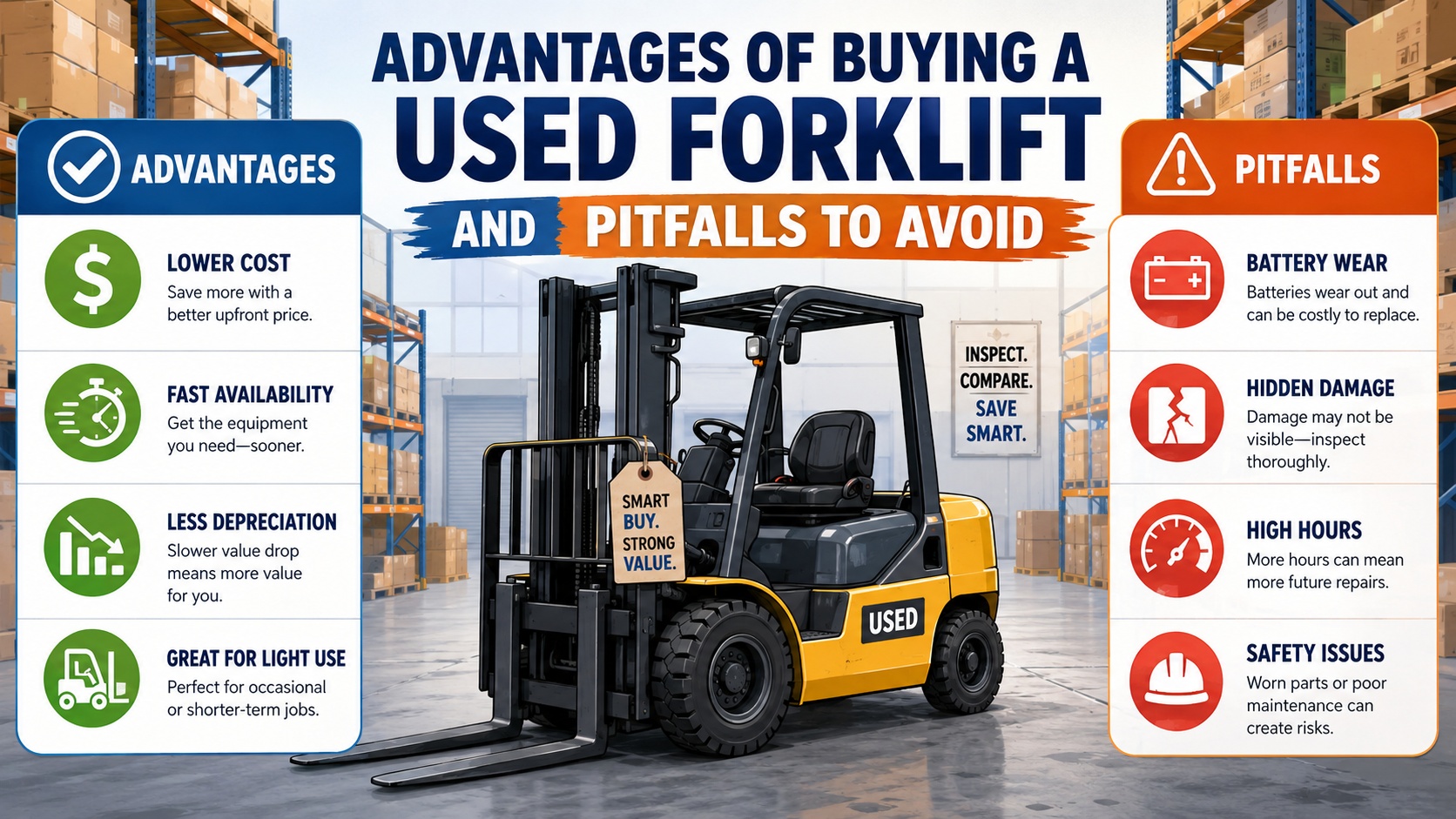
Advantages of Buying a Used Forklift and Pitfalls to Avoid
Quick Answer: Buying a used forklift offers major upfront savings, often up to 50% compared with buying new. It can help businesses expand their fleet quickly, reduce capital spending, and support lower-hour operations. However, buyers must carefully inspect mechanical condition, battery health, safety compliance, service history, and structural wear to avoid purchasing a machine that becomes expensive to repair.
A used forklift can be a smart investment for warehouses, logistics companies, manufacturers, lumber yards, retail distribution centers, and small businesses that need material handling power without the price of a brand-new machine. For many companies, the biggest attraction is simple: lower upfront cost. Instead of spending the full amount on one new unit, a business may be able to buy two used units, keep one as backup, or preserve cash for other operational needs.
However, a used forklift is not automatically a bargain. If the truck has hidden mechanical damage, worn forks, degraded batteries, poor maintenance records, or missing safety features, the real cost can rise quickly. The goal is not just to find the cheapest machine, but to find a reliable truck with a known history, safe operating condition, and reasonable remaining service life.
Advantages of Buying a Used Forklift
Significant Upfront Savings
The most obvious advantage is price. A used forklift may cost much less than a comparable new model, allowing buyers to reduce capital expense immediately. This is especially useful for startups, seasonal businesses, small warehouses, and companies expanding their fleet on a limited budget.
Bypassing Steep Depreciation
New equipment loses value fastest during its early ownership period. Buying used lets another owner absorb that initial depreciation. If the forklift has been maintained properly, the second owner may still get many productive years from the truck while paying a lower purchase price.
Immediate Availability
Used forklifts are often available faster than new units, especially when new equipment has long lead times. If a business needs a machine quickly to replace a down unit, support a new contract, or handle seasonal demand, a used forklift can be a practical short-term or long-term solution.
No Operator Learning Curve
If the used model is similar to equipment your operators already know, training and adjustment may be easier. Familiar controls, similar mast behavior, and comparable handling can reduce the transition time compared with introducing a completely different machine.
Lower Insurance Premiums
Because used equipment usually has a lower replacement value, insurance costs may be lower than for a brand-new forklift. This can add to long-term savings, especially for companies running multiple trucks.
Ideal for Lower-Hour Operations
A used forklift can be an excellent choice for operations that use equipment only a few hours per day. If the forklift will not run in a high-intensity, multi-shift environment, buying used may provide enough performance without paying for new equipment capacity that the business does not need.
Key Takeaway: A used forklift makes the most sense when the price, condition, service history, and expected workload all align. Low purchase price alone should never be the only reason to buy.
Pitfalls and Red Flags to Avoid
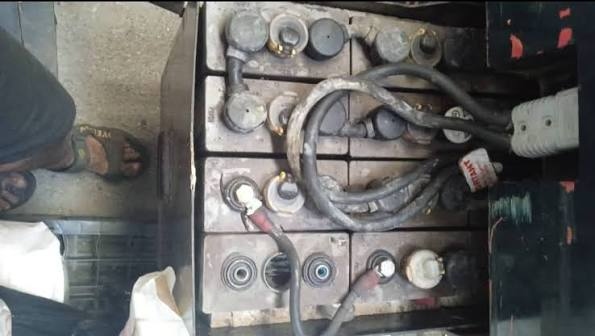
Degraded Electric Batteries
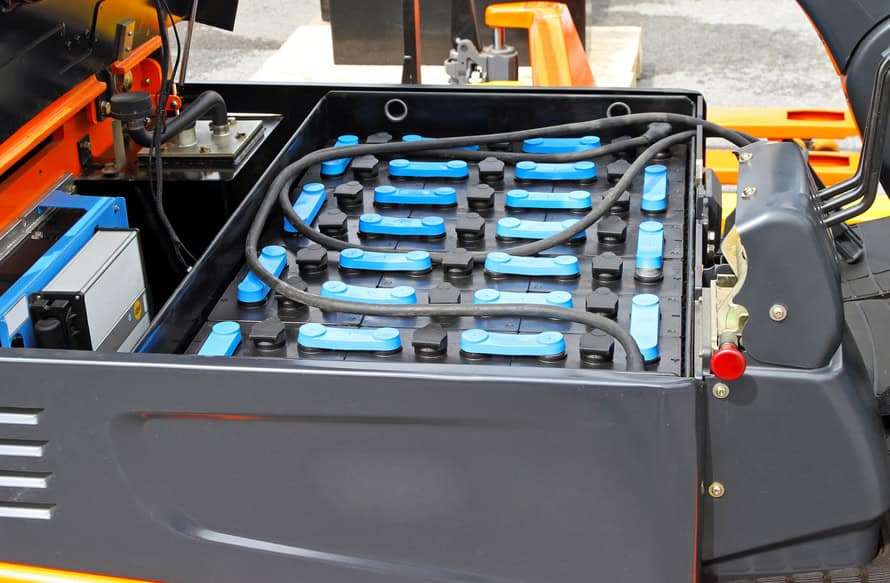
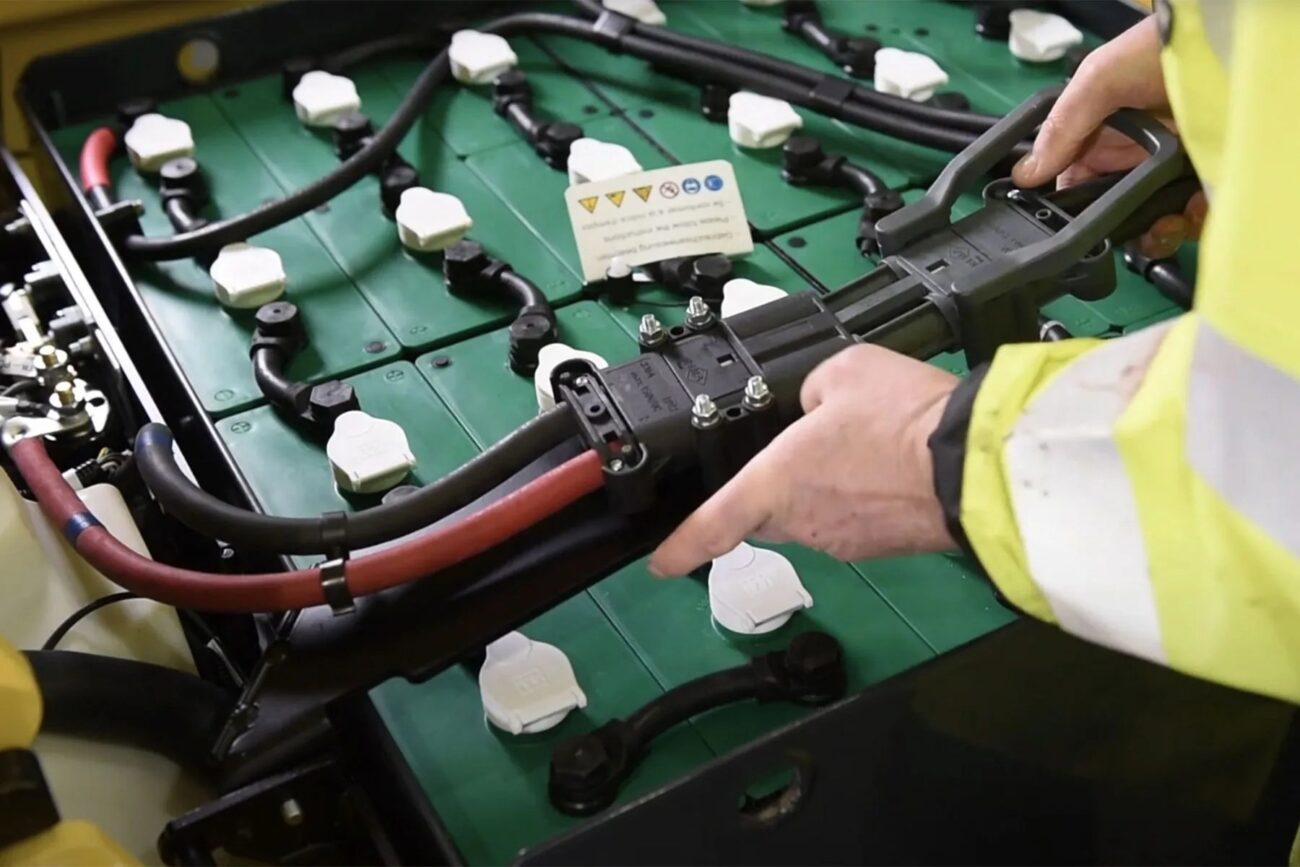
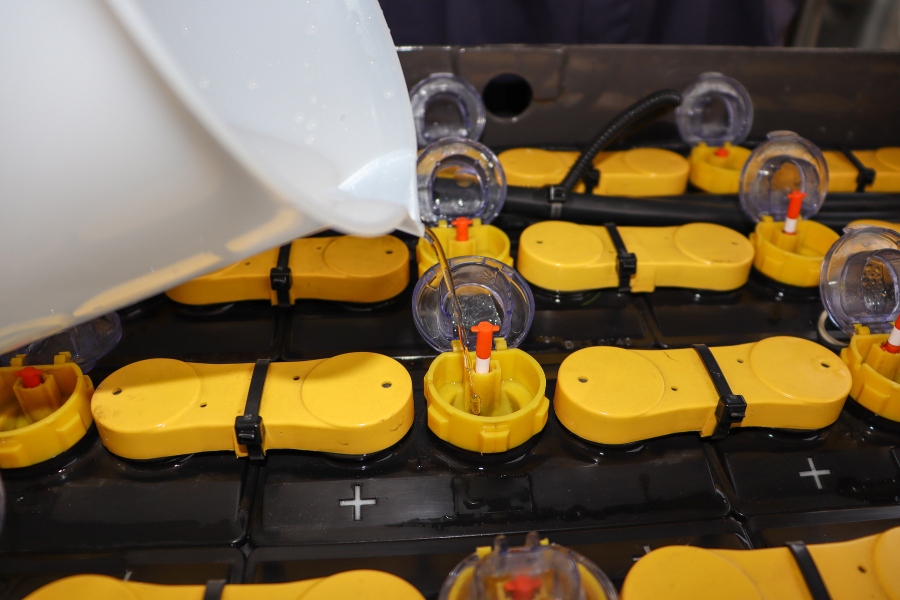
For electric forklifts, the battery is one of the most expensive components. A weak or aging battery can reduce runtime, slow charging, and limit productivity. Before buying, ask for battery age, maintenance records, charger compatibility, and test results. If the truck uses a lead-acid system, check for corrosion, swelling, acid residue, and poor water maintenance.
If replacement is likely, include the cost of a new forklift battery or suitable battery system in your budget. A forklift that looks inexpensive may become costly if the battery fails shortly after purchase.
High Hours of Service
Forklift hours are similar to mileage on a car, but they are often more demanding because forklifts work under load. High hours are not always bad if the machine has been well maintained, but they require closer inspection. Check drive motors, hydraulics, brakes, mast channels, chains, tires, steering, and transmission or drive components.
Discontinued Models
A discontinued forklift model can become difficult to repair if parts are scarce. Before buying, confirm parts availability, local service support, battery or charger compatibility, and whether technicians can still work on the model.
OSHA Non-Compliance
A used forklift must still be safe and compliant. Check that the data plate is present and readable, safety decals are in place, seat belt works, horn functions, lights operate, brakes respond properly, and forks are not cracked or severely worn. Missing or damaged safety features should be corrected before operation.
Deceptive Structural Wear
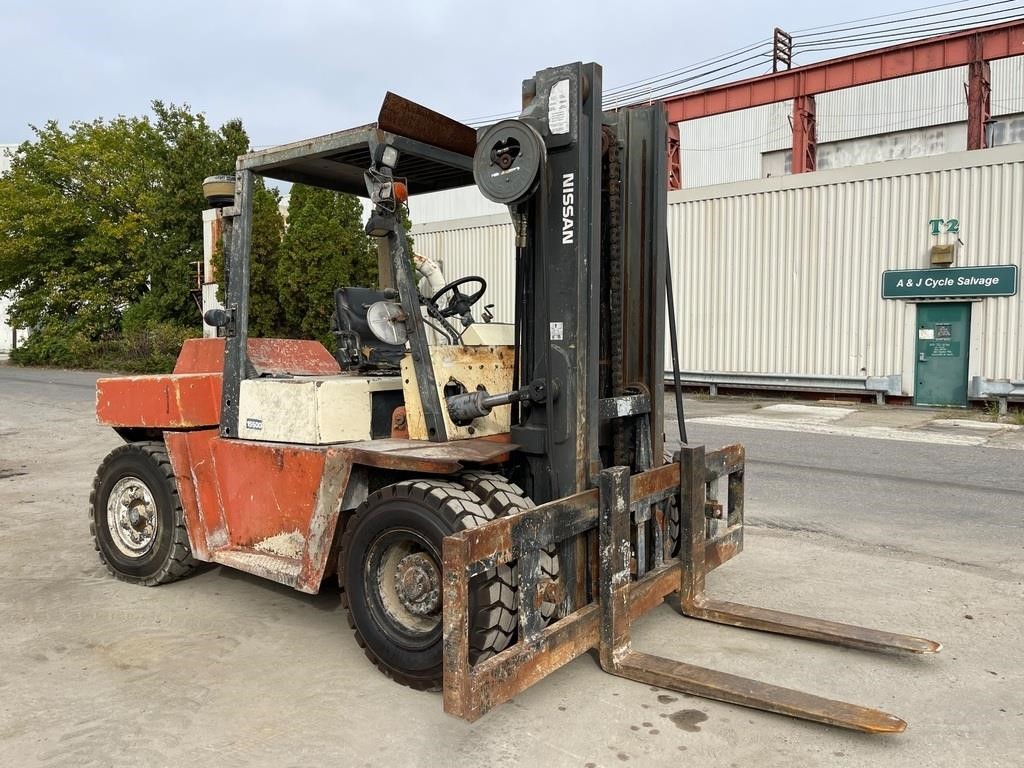
Fresh paint can hide cracks, weld repairs, frame damage, mast wear, or impact history. Inspect the mast, overhead guard, fork carriage, frame, counterweight, and attachment points closely. Uneven tire wear, leaking hydraulics, and bent forks may suggest hard use.
Private Seller Risks
Private sellers may offer lower prices, but they may not provide warranty, service records, inspection reports, or support after the sale. Buying from a reputable dealer can reduce risk, especially if the dealer offers inspection, service, parts access, and limited warranty options.
Pro Tip: Always inspect the forklift under load before buying. A short test drive without lifting a real pallet may not reveal hydraulic weakness, brake problems, mast wear, or battery limitations.
Step-by-Step Checklist Before Buying a Used Forklift
- Confirm your requirements: Know your required capacity, lift height, aisle width, tire type, fuel type, attachments, and daily operating hours.
- Check the data plate: Verify rated capacity, model, serial number, attachment rating, and load center information.
- Inspect the battery or engine: For electric units, test the forklift battery; for IC units, check engine condition, leaks, exhaust, and service history.
- Test hydraulics and mast: Lift and lower a load, watch for drift, listen for noise, and inspect chains, hoses, cylinders, and carriage movement.
- Review safety features: Check brakes, steering, horn, lights, seat belt, overhead guard, forks, warning devices, and decals.
- Ask for records: Request maintenance history, ownership documents, hour meter details, inspection reports, and any repair invoices.
- Calculate total cost: Include purchase price, transportation, repairs, battery replacement, tires, charger, attachments, and expected maintenance.
When a Used Forklift Is the Right Choice
A used forklift is often the right choice when the machine has moderate hours, clear service records, good battery or engine condition, and enough capacity for the work. It is especially attractive for backup fleets, part-time warehouse use, seasonal operations, and budget-conscious businesses.
Used equipment can also make sense when your operators already know the model and your service team can get parts easily. The best used forklift is not always the cheapest; it is the one that can safely and reliably do the job with predictable ownership costs.
Final Reminder: If the inspection reveals battery problems, structural damage, missing safety equipment, or unclear ownership history, walk away or negotiate repair costs before purchase.
Conclusion
Buying a used forklift can provide significant savings, faster availability, lower depreciation, and practical value for lower-hour operations. It can be a smart way to expand a fleet without the cost of buying new.
At the same time, buyers must avoid common pitfalls such as degraded electric batteries, high hours, discontinued models, OSHA non-compliance, hidden structural wear, and risky private sales. A careful inspection, service record review, and realistic total cost calculation can help you choose a used forklift that saves money instead of creating expensive problems.
Add a review
Your email address will not be published. Required fields are marked *