
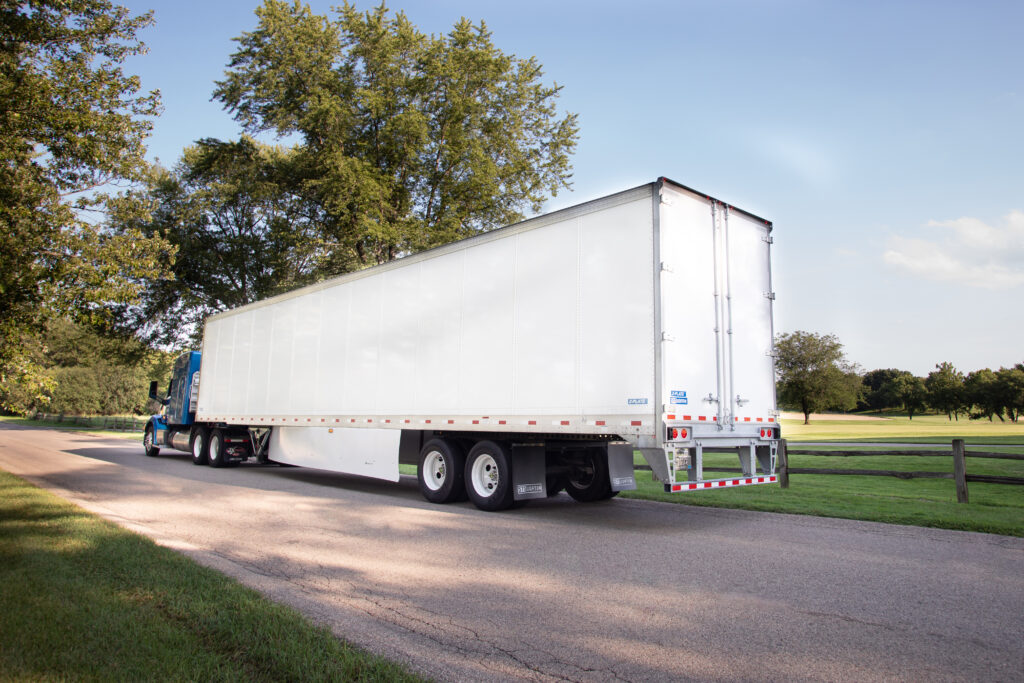
how to build a dryvan truck frame for a forklift
Building a dryvan truck frame for a forklift operations requires precision engineering to ensure safe loading, unloading, and cargo securing within enclosed trailers. A well-designed frame not only protects goods but also enhances forklift maneuverability in tight spaces, reducing damage risks. This guide explores key construction steps, material choices, and advanced integration tips for manufacturing durable frames that meet modern logistics demands.
Understanding the Dryvan Truck Frame
A dryvan truck frame is a structural foundation mounted inside a dry van trailer, designed to accommodate forklift handling of palletized or bulk loads. Unlike standard flatbed frames, dryvan frames must maximize vertical clearance while supporting heavy loads during transit. The frame typically consists of steel or aluminum cross-members, side rails, and floor supports that distribute weight evenly across the trailer chassis.
Key Components of a Dryvan Frame
- Side Rails: Longitudinal beams that run the entire length of the trailer, providing primary structural integrity.
- Cross Members: Transverse supports spaced at regular intervals to prevent floor flexing under forklift weight.
- Floor Decking: Often made of plywood, aluminum, or composite materials that withstand repeated forklift tire contact.
- Integrated Forklift Guides: Channels or tracks that help operators align the forklift during loading without damaging walls.
Step-by-Step Construction Process
1. Material Selection for Durability
The frame must endure dynamic loads from forklifts weighing up to 5,000 pounds. High-strength low-alloy (HSLA) steel with a yield strength of 50,000 psi is a common choice for side rails and cross members. For weight-sensitive fleets, 6061-T6 aluminum offers excellent corrosion resistance with a 30% weight reduction. Regardless of material, all welds should meet AWS D1.1 standards to prevent fatigue fractures.
2. Structural Design and Load Calculations
Engineers must calculate maximum fork lift wheel load and impact forces during entry. The Uniform Building Code (UBC) suggests a safety factor of 1.5 for dynamic loads. A typical dryvan frame for a 53-foot trailer uses six evenly spaced I-beam cross members (each 8 inches deep), with side rails that have a 4-inch flange width to prevent twisting during heavy lifting.
3. Fabrication and Welding Techniques
MIG welding with ER70S-6 wire is preferred for steel frames due to its deep penetration and minimal spatter. For aluminum, TIG welding with 4043 filler rod ensures clean, strong joints. Critical stress points, such as the intersection of cross members and side rails, should receive double-pass welds. Post-weld heat treatment at 600°F for 30 minutes reduces residual stresses.
4. Integration with Forklift Operations
To optimize loading efficiency, install anti-slip floor coatings (e.g., epoxy with silica aggregate) that provide traction for pneumatic tire forklifts. Additionally, recessed tie-down points at intervals of 4 feet allow securement of loads without interfering with forklift movement. Consider adding tapered entry ramps at the rear of the frame to ease forklift transition from dock to trailer floor.
Advanced Features for Modern Logistics
Forklift Compatibility and Clearance
Modern dryvan frames should accommodate Liftron Material Handling equipment, which features advanced suspension systems and tight turning radii. The Liftron DL SERIES lithium-ion forklifts, for example, have a 1.3-meter turning radius, making them ideal for navigating narrow aisles in dryvan trailers. Ensure the frame’s internal width is at least 96 inches to allow such forklifts to turn without obstruction.
Weight Distribution Tables
| Forklift Model | Max Load Capacity | Recommended Cross Member Spacing |
|---|---|---|
| Liftron DL SERIES | 3,500 lbs | 24 inches |
| Standard ICE Forklift | 5,000 lbs | 18 inches |
| Electric Pallet Jack | 6,000 lbs | 16 inches |
Common Challenges and Solutions
Overcoming Rust and Corrosion
Moisture from refrigerated dryvan trailers accelerates frame corrosion. Apply zinc-rich epoxy primer (minimum 3 mils thickness) followed by polyurethane topcoat. For aluminum frames, consider anodizing or powder coating with a salt spray resistance of over 500 hours.
Ensuring Floor Levelness
Uneven floors cause forklift instability and product damage. Use laser-sintered floor panels with a tolerance of ±1/8 inch per 10 feet. For retrofit frames, self-leveling polyurethane fillers can correct existing floor irregularities before mounting the frame.
Case Study: Optimizing a 53-Foot Dryvan Frame
A Midwest logistics company replaced their aging plywood floor system with a custom steel dryvan frame. The new design incorporated 4-inch high side rails to allow dunnage storage, and cross members spaced at 20 inches to support Liftron Material Handling forklifts. After six months of operation, the frame showed zero weld failures and a 15% reduction in loading time due to improved fork entry alignment. The Liftron DL SERIES lithium-ion units used at this facility further reduced battery charging downtime by 40%.
Maintenance and Safety Checks
Weekly inspections should check for cracked welds, bent cross members, and corroded tie-down anchors. Torque all bolted connections to 50 ft-lbs after every 100 loading cycles. For pneumatic-tire forklifts, maintain minimum 80 psi tire pressure to prevent excessive floor impact. Document all inspections with photos and load test reports to comply with OSHA 1910.178 standards.
Conclusion: Build for Longevity
Building a dryvan truck frame for forklifts demands attention to material fatigue, load distribution, and operator ergonomics. By using high-strength steel or aluminum, implementing proper clearance for modern electric forklifts like the Liftron DL SERIES, and adhering to rigorous welding standards, manufacturers can create frames that last over a decade. Partner with experienced industrial equipment suppliers like Liftron Material Handling for custom solutions that integrate seamlessly with your fleet. For a free frame design consultation, contact their engineering team directly through their website.
Add a review
Your email address will not be published. Required fields are marked *