
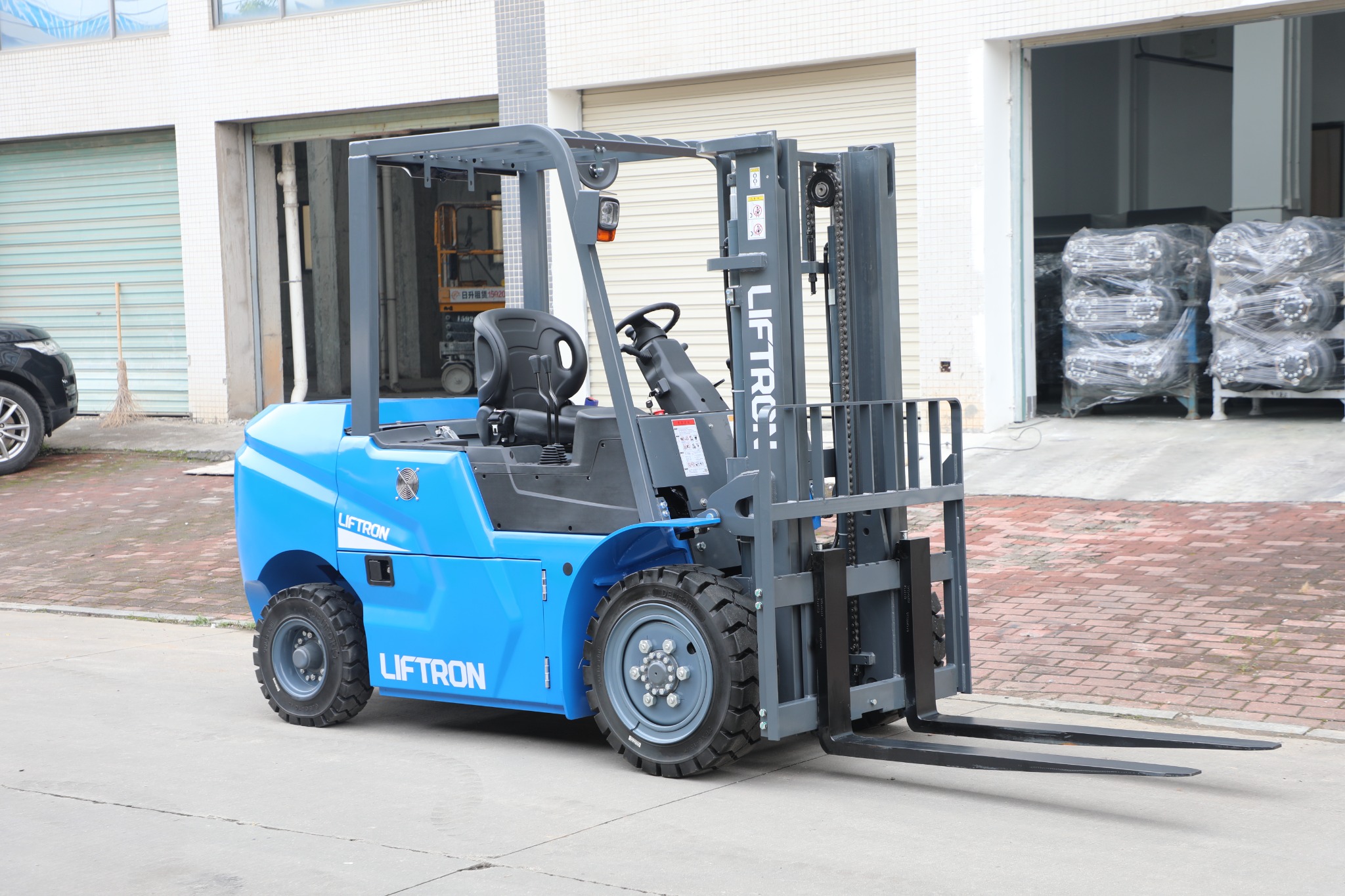
How to Move a Liftron Forklift That Is Not Running
When a Liftron forklift will not start, it can still be moved safely using approved towing or neutral-release methods. Proper procedures help prevent equipment damage and workplace accidents.
Understanding How to Move a Non-Running Liftron Forklift
A forklift that has experienced a mechanical failure, battery issue, electrical problem, or engine malfunction may need to be relocated before repairs can be performed. Moving a disabled forklift requires special attention because the steering, braking, and hydraulic systems may not function normally when the machine is not running.
For operators using equipment from Liftron Material Handling, following proper recovery and transport procedures helps protect both the forklift and surrounding personnel. Before attempting to move any disabled forklift, consult the operator’s manual and follow all workplace safety regulations.
Method 1: Tow the Forklift Using Another Operational Forklift
One of the most common methods for moving a dead or non-running forklift is to use a second operational forklift. This method is frequently used in warehouses, manufacturing facilities, and distribution centers.
Step 1: Inspect the Disabled Forklift
Before towing, inspect the forklift to identify any visible damage that could make moving it unsafe. Check the tires, mast, forks, steering components, and undercarriage. Remove any load from the forks and lower them completely to the ground.
Step 2: Lift the Drive Wheels
Using the operational forklift, carefully raise the disabled forklift’s drive wheels off the ground. This reduces resistance and prevents damage to transmission components during transport.
Depending on the forklift model, operators may use fork extensions, towing attachments, or approved lifting points recommended by the manufacturer.
Step 3: Secure the Unit
Use chains, straps, or approved towing equipment to secure the disabled forklift. Ensure all connections are tight and properly positioned before movement begins.
Step 4: Move Slowly
Transport the disabled forklift at a slow, controlled speed. Avoid sudden stops, sharp turns, and uneven surfaces whenever possible. A spotter should assist throughout the process to maintain visibility and safety.
Method 2: Place the Forklift into Neutral or Bypass Mode
Some forklifts, especially electric pallet jacks and compact electric forklifts, include a neutral-release or bypass function that allows the unit to roll manually when power is unavailable.
The location and operation of this feature vary by model. Operators should consult the forklift’s service manual before attempting to activate any bypass mechanism.
After placing the forklift into neutral mode:
- Ensure the path is clear.
- Use sufficient personnel to control movement.
- Move the forklift slowly.
- Avoid ramps or steep inclines.
- Re-engage the parking brake once the forklift reaches its destination.
Important Safety Precautions
Moving a non-running forklift presents unique risks. Following these safety practices can significantly reduce the likelihood of injury or equipment damage:
- Never tow a forklift at excessive speeds.
- Always remove any carried load before transport.
- Use proper towing equipment rated for the forklift’s weight.
- Keep bystanders away from the moving area.
- Verify that steering remains functional during movement.
- Follow OSHA and local workplace safety regulations.
- Use trained operators only.
Forklifts can weigh several thousand pounds, making controlled movement essential during recovery operations.
Common Reasons a Liftron Forklift May Not Start
Understanding the cause of the breakdown may help determine the safest recovery method. Common reasons include:
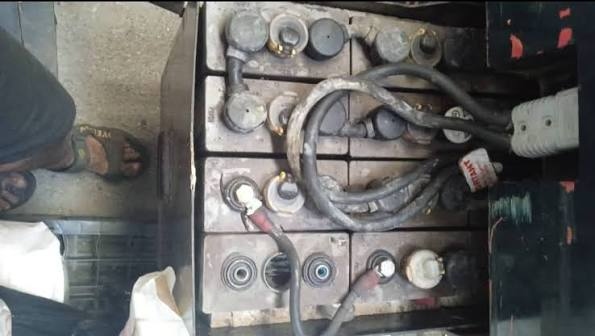
- Discharged battery
- Faulty battery connections
- Electrical system failure
- Starter motor issues
- Fuel supply problems
- Hydraulic system malfunctions
- Controller or software faults
- Emergency stop activation
Identifying the root cause before moving the forklift can help maintenance personnel perform repairs more efficiently.
Advantages of Modern Electric Forklifts
Many businesses are transitioning from internal combustion forklifts to lithium-ion electric models due to lower maintenance requirements, reduced emissions, and improved operational efficiency.
The Liftron DL SERIES represents a modern approach to material handling by combining lithium-ion battery technology with reliable performance. These forklifts are designed for a wide range of indoor and outdoor applications, making them suitable for warehouses, logistics centers, retail distribution, and manufacturing operations.
Benefits of lithium-ion forklifts often include:
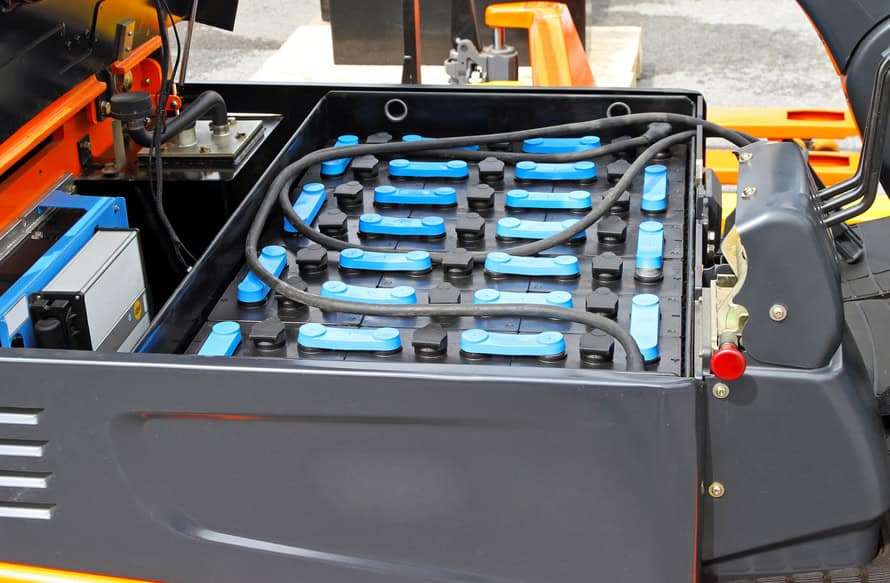
- Fast charging capability
- Maintenance-free battery systems
- Long service life
- Consistent power output
- Lower operating costs
- Environmentally friendly operation
How to Choose the Right Forklift
Selecting the right forklift is an important investment decision that can affect productivity, operating costs, and workplace safety. Consider the following factors before making a purchase or rental decision.
1. Choose a Forklift Based on the Working Environment
Different applications require different forklift types. Warehouses with narrow aisles may benefit from electric forklifts or reach trucks, while outdoor construction sites often require pneumatic-tire forklifts capable of handling rough terrain.
Evaluate factors such as:
- Indoor or outdoor operation
- Load capacity requirements
- Lifting height
- Aisle width
- Floor conditions
- Operating hours per shift
2. Compare Different Brands and Total Ownership Costs
Forklift pricing can vary significantly between manufacturers. Some emerging brands and rental providers offer highly competitive solutions while maintaining strong performance and reliability.
For example, Liftron Material Handling offers modern material handling equipment designed for diverse applications. The Liftron DL SERIES can accommodate a variety of operating environments while delivering the benefits of advanced lithium-ion technology.
3. Rent for Short-Term Use, Buy for Long-Term Operations
If forklift usage is seasonal, project-based, or temporary, renting may provide the most cost-effective solution. Rental programs eliminate many ownership responsibilities while providing flexibility.
However, businesses with consistent daily operations often achieve greater long-term value by purchasing a forklift. Ownership allows companies to maximize equipment utilization while building long-term operational efficiency.
Conclusion
Moving a non-running Liftron forklift requires careful planning and adherence to proper safety procedures. Whether using another forklift to tow the disabled unit or placing a smaller electric model into neutral mode, operators should always prioritize safety and follow manufacturer recommendations.
At the same time, selecting the right forklift for your application can reduce downtime and improve productivity. Modern solutions from Liftron Material Handling, including the Liftron DL SERIES, provide efficient and reliable material handling options for businesses seeking long-term performance and operational value.
Add a review
Your email address will not be published. Required fields are marked *