
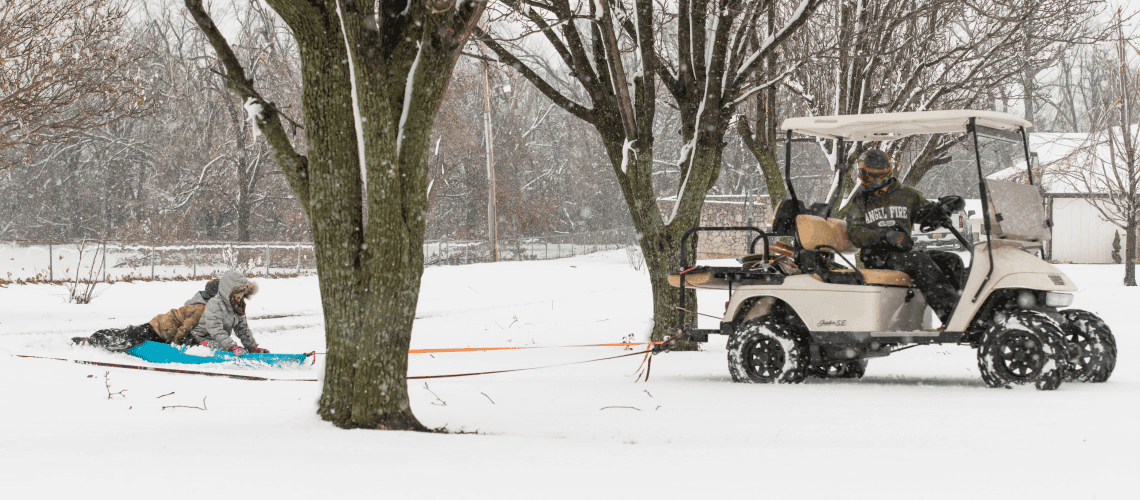
How to Store an Electric Golf Cart for the Winter: Battery Care, Safety, and Simple Maintenance
Winter storage is easy when you prep the batteries, clean the cart, protect the tires, and keep everything dry and checked monthly.Temperature swings, moisture, and slow battery drain can shorten battery life and create springtime surprises like dead packs, flat-spotted tires, or corroded terminals. The goal is to store your cart so it stays clean, safe, fully supported electrically, and ready to use when warm weather returns.
Below is a practical winter checklist you can follow in a single afternoon. It covers lead-acid and lithium battery care, safe storage habits, and the small details that prevent big headaches later.
Key Winter Storage Steps
- Wash and dry the cart (remove dirt, fertilizer dust, and road grime).
- Fully charge the batteries before storage.
- Check water levels if you have lead-acid batteries (after charging).
- Switch the cart to “TOW” mode to prevent unwanted power draw.
- Inflate tires to the maximum PSI listed on the tire sidewall.
- Store in a dry, covered area away from rain, snow, and dripping pipes.
- Plan periodic checks every 3–4 weeks (especially battery/charger status).
- Avoid leaving the parking brake engaged for long storage periods.
Battery Care (Lead-Acid)
Lead-acid packs are durable, but winter storage mistakes can age them quickly. The two big rules are: store them fully charged and don’t let them sit discharged.
1) Fully charge the pack
Before you store the cart, charge it until the charger completes its normal cycle. A full charge helps prevent sulfation (a common cause of reduced capacity) during long periods of inactivity.
2) Check and adjust water levels (only if applicable)
For flooded lead-acid batteries, check water levels after charging. If plates are exposed, top up with distilled water to the correct level. Avoid overfilling—extra water can spill during charging and contribute to corrosion.
3) Clean and protect the terminals
Corrosion increases resistance and can lead to weak performance. Make sure terminals are clean, tight, and dry. If you see white/blue buildup, clean it carefully and dry the area thoroughly.
4) Long storage: consider disconnecting the main cables
If the cart will sit for more than a month, disconnecting the main battery cables can reduce slow drain. This is especially helpful if accessories or small draws remain active even when the key is off. If you’re not comfortable doing this, a qualified technician can handle it quickly.
Battery Care (Lithium)
Lithium packs generally handle storage better and require less routine maintenance, but they still benefit from smart preparation.
- Charge level: Many owners store lithium packs around a moderate-to-high state of charge. If your battery system has manufacturer guidance, follow it.
- Temperature awareness: Avoid extreme cold if possible. A stable, sheltered location is best.
- No watering required: Unlike flooded lead-acid batteries, lithium does not need water checks.
- Use “TOW” mode: This reduces the chance of parasitic drain and protects the system during storage.
Electrical Safety
Battery systems can deliver high current, so treat them with respect during storage preparation:
- Turn the key off and remove it before working around the battery compartment.
- Switch to TOW mode before leaving the cart parked long-term.
- Keep chargers and cords away from standing water and damp floors.
- Inspect the charging cable for cracks or fraying before you store it.
Storage Location
The best winter storage spot is dry, covered, and stable in temperature. A garage or enclosed shed is ideal. If you must store the cart in an open-sided area, use a breathable cover and keep the cart away from wind-driven rain or drifting snow.
Avoid placing the cart directly on bare soil. Moisture rises from the ground and can increase corrosion over time. If possible, store on concrete or a dry, raised surface.
Maintenance Before You Park It
- Clean the body and underside: Remove mud, grass, and debris that can trap moisture.
- Dry everything: Especially around the battery compartment and floor area.
- Check cables and connections: Look for loose lugs or heat discoloration.
- Inspect belts/hoses (if your model has them): Replace worn parts before storage if needed.
Tires
Tires can develop flat spots when a cart sits in one position for months. To reduce that risk:
- Inflate tires to the maximum PSI shown on the tire sidewall.
- Store on a flat surface.
- If you expect very long storage, gently rolling the cart a short distance during periodic checks can help.
Periodic Checks
Even in storage, a cart benefits from quick check-ins. Put a reminder on your calendar every 3–4 weeks:
- Battery/charger status: Confirm the pack isn’t dropping too low.
- Look for moisture: Check for dampness, leaks, or condensation under the cart.
- Visual inspection: Scan for corrosion or chewed wiring if stored where pests are possible.
- Tire pressure: Make sure tires are still firm and properly inflated.
Avoid Parking Brake
Leaving the parking brake engaged for months can sometimes cause sticking or uneven contact. When you store the cart, it’s often better to secure it by:
- Parking on a level surface, and
- Using wheel chocks if needed.
Should I Leave My Electric Golf Cart Plugged In All Winter?
It depends on your battery type and charger behavior, but the safest general approach is to avoid ignoring it for months. For many lead-acid setups, owners use a quality automatic charger and then check it every 3–4 weeks to confirm it is operating normally and not overheating, cycling abnormally, or sitting without charging.
If you choose to leave it connected, make sure the charging area is dry and the outlet and cord are in good condition. If you prefer a more hands-off approach, you can disconnect the main battery cables for long storage (over a month) and then recharge on a schedule, but only do this if you’re confident in the process or have help from a technician.
At What Temperature Will Golf Cart Batteries Freeze?
Battery freezing risk depends heavily on state of charge. A well-charged lead-acid battery is far less likely to freeze than a discharged one. The key takeaway is simple: keep batteries fully charged before storage and avoid deep discharge during winter. If you store your cart in a place where temperatures can stay far below freezing, consider moving it to a more protected space or insulating the storage area to reduce extreme cold exposure.
Final Winter Storage Checklist
- Charge batteries fully.
- Lead-acid only: check water levels after charging.
- Switch to TOW mode.
- Clean and dry the cart thoroughly.
- Inflate tires to max PSI.
- Store in a dry, covered location.
- Check battery/charger every 3–4 weeks.
- For storage longer than a month, consider disconnecting main battery cables to avoid complete discharge.
With these steps, your cart should come out of storage clean, protected, and ready for a smooth first drive when the season changes.


Add a review
Your email address will not be published. Required fields are marked *