
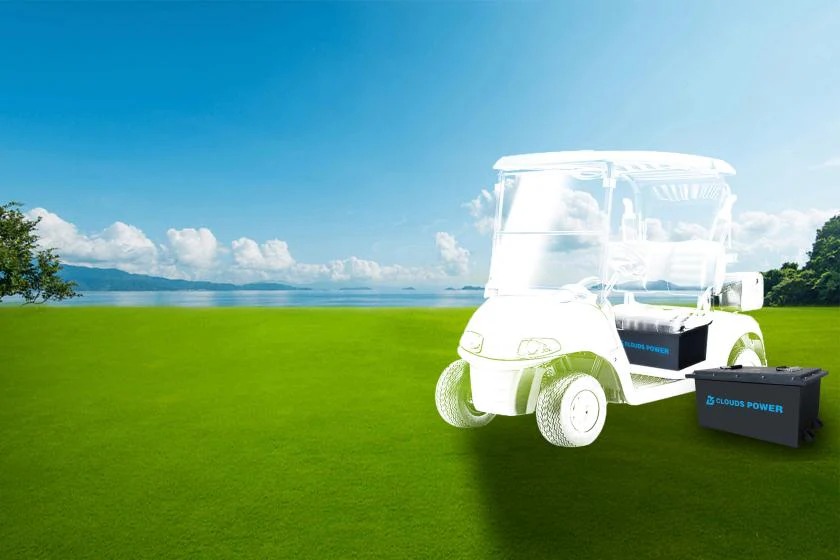
Can Golf Cart Batteries Give Off Carbon Monoxide?
No, lead-acid golf cart batteries do not emit carbon monoxide, but they produce hydrogen gas while charging, which can trigger carbon monoxide detectors. This hydrogen is highly flammable and indicates a risk of explosion. Always charge golf carts in well-ventilated areas to avoid gas buildup.
The Cause: Hydrogen Gas, Not Carbon Monoxide
During the charging process, lead-acid golf cart batteries undergo electrolysis. Water in the electrolyte breaks down into hydrogen and oxygen gas. This is completely normal and happens more vigorously during the later stages of charging or equalization. The gas itself is not carbon monoxide (CO), which is produced only by incomplete combustion of carbon-based fuels such as gasoline, propane, or diesel. Golf cart batteries contain no carbon fuel, so they cannot generate CO. However, the hydrogen gas is highly flammable and explosive when mixed with air in confined spaces, which is why ventilation is critical.
Why Carbon Monoxide Detectors Sometimes Alarm
Many modern combination CO and smoke detectors are sensitive to hydrogen gas as well. When hydrogen levels rise near the detector, the sensor can interpret it as a dangerous condition and trigger an alarm. This is a false positive for carbon monoxide, but it serves as an important early warning that hydrogen is accumulating. Homeowners and golf cart owners often panic when the CO alarm sounds while charging, but the real danger is hydrogen buildup, not CO. Installing a dedicated hydrogen detector or simply ensuring excellent airflow eliminates most false alarms.
Key Safety Measures for Charging Golf Cart Batteries
- Always charge in a well-ventilated area — open garage doors or use an outdoor charging station.
- Never charge inside a closed garage, basement, or enclosed shed.
- Use only the manufacturer-approved charger designed for your battery type.
- Keep sparks, flames, and smoking materials at least 10 feet away.
- Check water levels regularly and add distilled water only after charging.
- Install a hydrogen-specific detector or a combination unit with hydrogen sensitivity if charging indoors is unavoidable.
Battery Type Makes a Big Difference
Traditional flooded lead-acid batteries produce the most hydrogen. AGM and gel lead-acid batteries produce significantly less because they are sealed and recombine most of the gas internally. Lithium-ion (LiFePO4) golf cart batteries produce virtually no hydrogen gas during normal charging and do not require watering. This makes lithium the safest option for enclosed or indoor storage and charging areas. Switching to lithium eliminates the hydrogen risk entirely while also providing longer life, faster charging, and zero maintenance.
Is It Safe to Leave a Golf Cart Charging Overnight?
It can be safe if done correctly, but it is not recommended for lead-acid batteries in enclosed spaces. Modern smart chargers with automatic shut-off and equalization timers greatly reduce risk. Always use a charger with a timer or float mode designed for your battery. For lithium-ion packs, overnight charging is generally safer because there is no gassing and the BMS provides multiple layers of protection. The safest practice is to charge during the day in a ventilated area or install a dedicated outdoor charging station with proper ventilation and fire detection.
Conclusion
Golf cart batteries do not produce carbon monoxide, but the hydrogen gas generated during charging is a real safety concern that can trigger CO detectors and create explosion risks in poorly ventilated areas. Understanding the difference between hydrogen and carbon monoxide helps prevent panic and guides proper safety practices. Proper ventilation, correct chargers, and consideration of switching to lithium-ion technology dramatically reduce these risks.


Add a review
Your email address will not be published. Required fields are marked *