
Do Electric Forklifts Use the Battery as Counterweight?
Yes, battery-powered electric forklifts use the heavy battery itself as a primary component of their counterweight, often weighing between 800 and 6,000 lbs, to maintain balance while lifting heavy loads. Because of this, using the correct weight battery is vital for stability, as an underweight battery can cause serious safety hazards.
How the Battery Functions as Counterweight
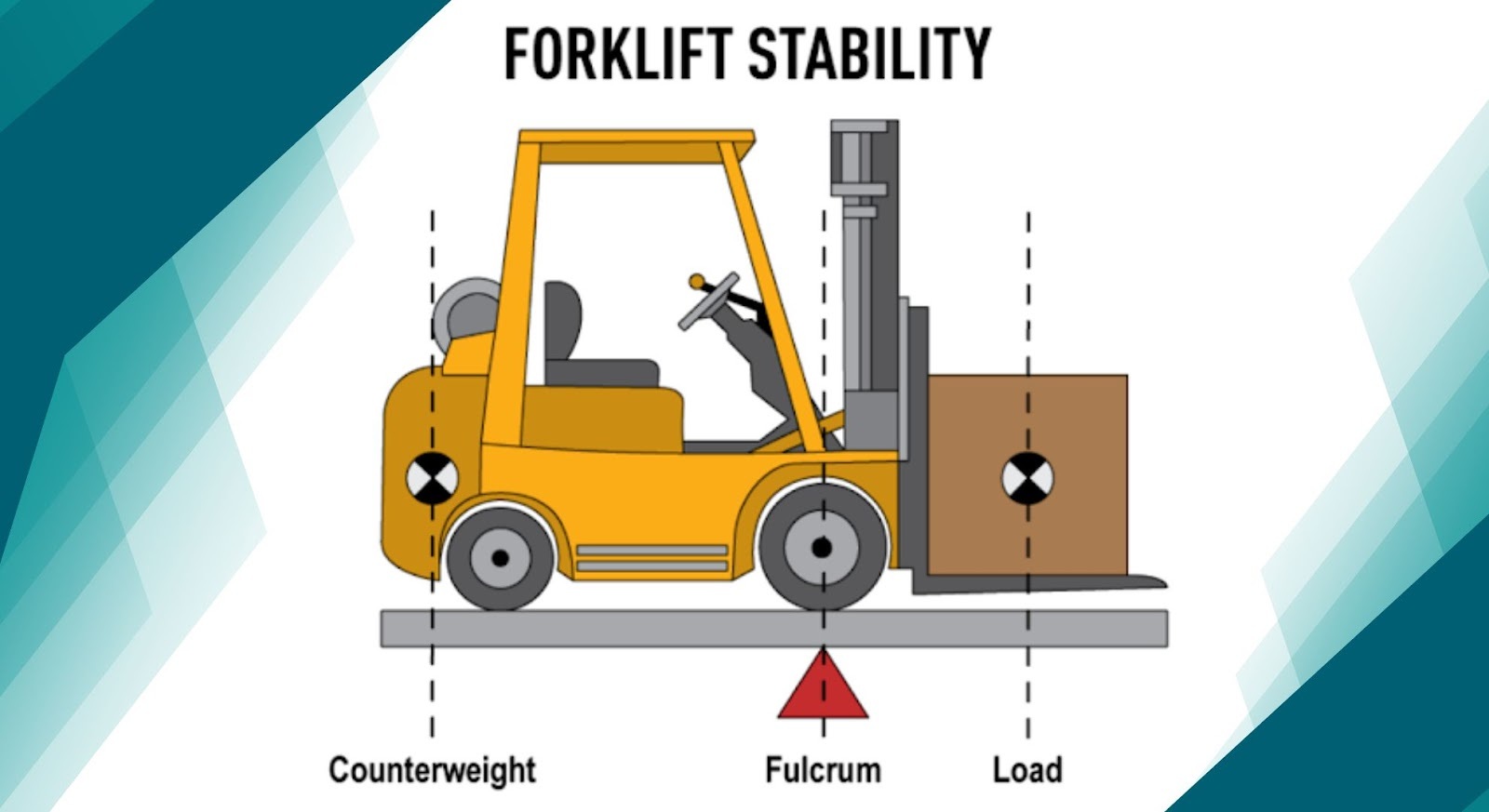
In electric forklifts, the battery pack is not just the power source — it is deliberately positioned low and toward the rear of the chassis to act as a significant portion of the counterweight. This design allows the manufacturer to reduce the amount of heavy cast-iron or steel ballast needed, lowering overall machine weight while maintaining the required stability ratio. The forklift’s front axle serves as the fulcrum point. The load on the forks creates a forward tipping moment, and the battery’s mass behind the fulcrum creates the opposing counter-moment that keeps the machine upright.
Lead-Acid Batteries: Traditional Heavy Counterweight
Lead-acid batteries are extremely heavy (typically 1,200–3,500 lbs for a standard 48V pack). Because of this high mass, they naturally provide excellent counterweight. Manufacturers design the battery compartment so the pack sits as far back and as low as possible. This allows the forklift to achieve its full rated capacity without needing large additional cast-iron weights. The heavy battery is one of the main reasons traditional electric forklifts feel stable and rarely tip when properly loaded.
Lithium-Ion Batteries: Lighter Weight Requires Added Ballast
Lithium-ion forklift batteries are 40–60% lighter than equivalent lead-acid packs. While this reduces overall machine weight and improves energy efficiency, it also reduces the natural counterweight effect. Most manufacturers compensate by adding steel or cast-iron ballast plates in the rear compartment when a lithium pack is installed. Operators and service technicians must never remove these ballast weights, as doing so can drastically lower the forklift’s stability and rated capacity, creating a serious tip-over risk.
Function and Safety Implications
The battery’s dual role (power + counterweight) means the forklift is engineered around a specific battery weight. Using a lighter-than-specified battery without adding the correct ballast can move the combined center of gravity too far forward, especially when the forks are raised with a load. This is why the forklift’s data plate always lists the minimum required battery weight. Exceeding or falling short of this specification violates OSHA stability requirements and can lead to catastrophic accidents.
Where Is the Balancing Point on a Forklift?
The primary balancing point (fulcrum) on a forklift is the front axle. Everything in front of this line creates a tipping moment; everything behind it creates a stabilizing moment. The battery pack, rear counterweight, and operator’s weight all contribute to the rear stabilizing moment. When the load on the forks exceeds the rear stabilizing moment, the forklift tips forward. Understanding this fulcrum point helps operators realize why correct battery weight and proper load positioning are critical for safe operation.
Conclusion
Electric forklifts do use their battery as a major part of the counterweight system. Lead-acid batteries provide natural heavy counterweight, while lithium-ion packs require added ballast to maintain the same stability. Always verify that the installed battery meets the manufacturer’s minimum weight specification listed on the data plate. Using an underweight battery without the correct compensation weights is extremely dangerous and can cause forward tip-overs. Proper battery weight management is one of the most important factors in safe forklift operation and long-term machine stability.


Add a review
Your email address will not be published. Required fields are marked *